

Table of Contents
ToggleDiscovering Maltese Wine: A Hidden Gem of the Mediterranean
When people think of Malta, they often picture crystal-clear waters, ancient cities, and sunny Mediterranean landscapes. However, few visitors realise that the Maltese Islands are also home to a thriving wine industry with a history stretching back more than 2,000 years.
Today, Maltese wines are gaining recognition for their quality, character, and unique connection to the islands’ rich heritage.
A History Rooted in the Mediterranean
Wine production in Malta dates back to the Phoenicians, who introduced viticulture to the islands thousands of years ago. Over the centuries, successive civilizations, including the Romans and the Knights of St John, continued to cultivate vineyards and develop local winemaking traditions.
Despite Malta’s small size, its winemaking tradition has endured, evolving into a modern industry that combines traditional methods with contemporary techniques.
The Unique Terroir of Malta
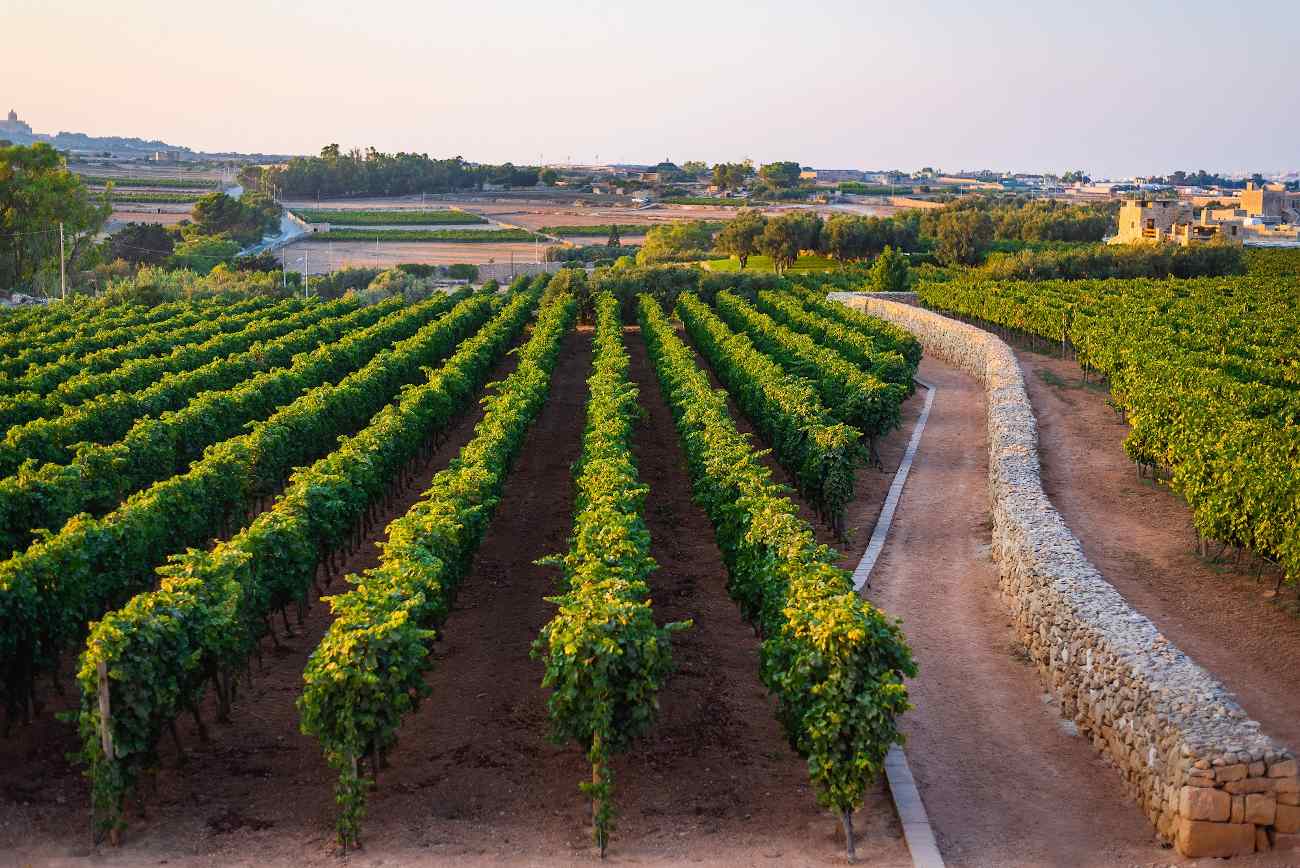
Malta’s warm climate, long sunshine hours, mineral-rich soils, and cooling sea breezes create excellent conditions for grape growing. The islands’ limestone terrain gives many local wines a distinctive character that reflects the Mediterranean environment in which they are produced.
The result is a collection of wines that are fresh, expressive, and perfectly suited to the local cuisine.
Malta’s Indigenous Grape Varieties
One of the most exciting aspects of Maltese wine is the presence of two indigenous grape varieties found almost nowhere else in the world.
Ġellewża
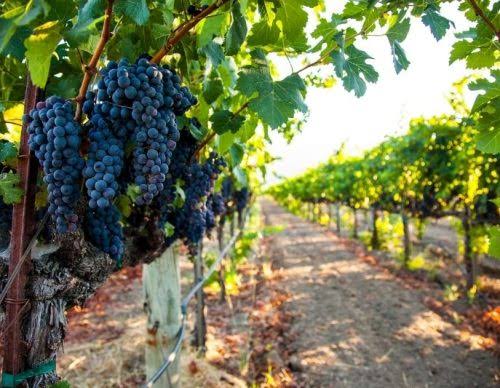
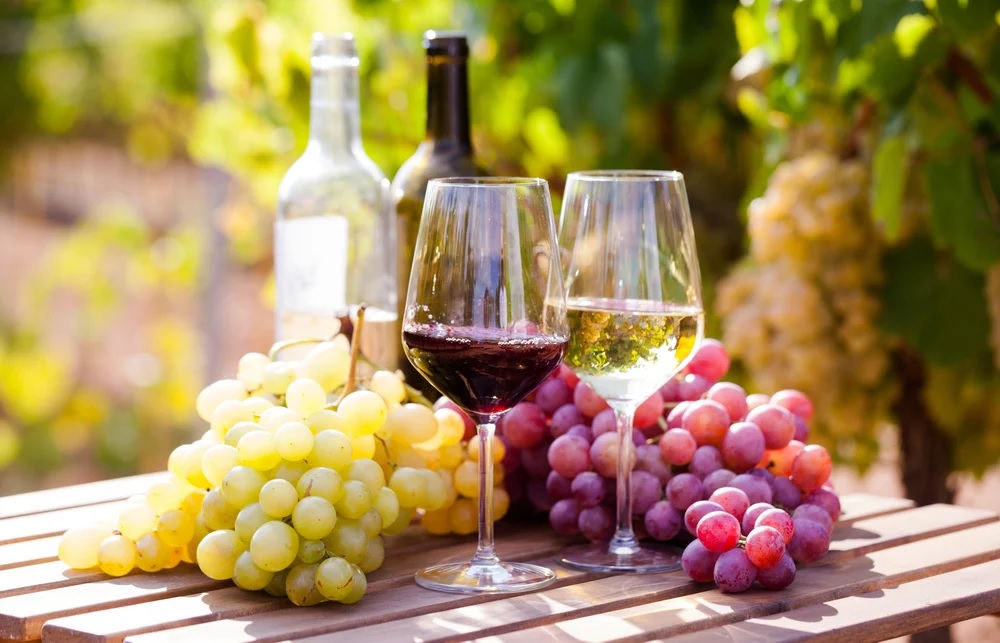
Ġellewża is Malta’s native red grape variety. It typically produces light to medium-bodied wines with bright fruit flavours and soft tannins. It is also used in rosé wines and is often blended with international varieties to add complexity and character.
Girgentina
Girgentina is Malta’s indigenous white grape variety. Known for its crisp acidity and refreshing character, it produces elegant wines that pair beautifully with seafood and Mediterranean dishes.
Together, these two grapes represent the authentic taste of Malta’s winemaking heritage.
International Varieties with a Maltese Touch
In addition to indigenous grapes, Maltese vineyards cultivate internationally recognised varieties such as Chardonnay, Cabernet Sauvignon, Merlot, Syrah, and Sauvignon Blanc. These grapes thrive in Malta’s climate and often produce wines with a distinctive Mediterranean influence.
Many local wineries skillfully blend indigenous and international varieties, creating wines that are both familiar and uniquely Maltese.
Wine Experiences Across the Islands
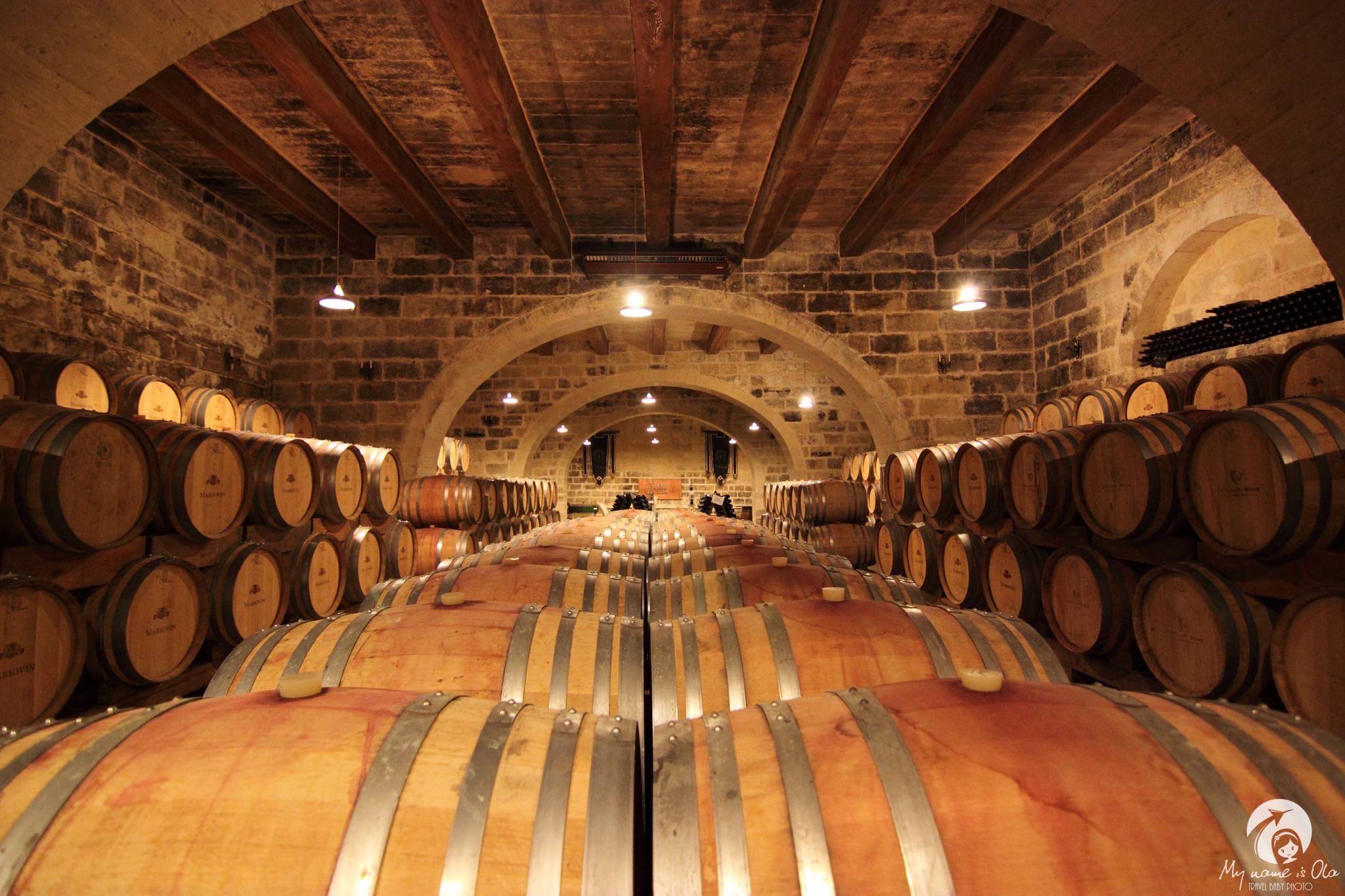
Wine enthusiasts visiting Malta can enjoy vineyard tours, winery tastings, and food-pairing experiences throughout the islands. Many wineries welcome visitors to explore their cellars, learn about local production methods, and sample award-winning wines directly from the source.
From rural vineyards overlooking the countryside to elegant tasting rooms, wine tourism has become a growing part of the Maltese visitor experience.
The Perfect Pairing with Maltese Cuisine
Maltese wines pair exceptionally well with the islands’ traditional cuisine. Fresh white wines complement local seafood dishes, while reds work beautifully alongside rabbit, grilled meats, and rustic Mediterranean flavours.
Whether enjoyed at a seaside restaurant, a village festa, or a winery overlooking the vineyards, Maltese wine offers an authentic taste of the islands.
Raising a Glass to Malta
Although small in scale, Malta’s wine industry delivers impressive quality and a unique sense of place. With centuries of history, indigenous grape varieties, and a growing reputation among wine lovers, Maltese wines offer visitors the opportunity to discover one of the Mediterranean’s best-kept secrets.
For anyone seeking a deeper connection to Malta’s culture, history, and gastronomy, a glass of local wine is the perfect place to start.