
Table of Contents
ToggleForgotten Flavours: The Old and Lost Drinks of Malta
Malta’s culinary heritage is rich with traditional recipes, local ingredients, and centuries of Mediterranean influence. While modern cocktails, wines, and imported spirits dominate today’s menus, many traditional Maltese drinks and liqueurs have faded from everyday life. Some survive only through family recipes, village traditions, and artisan producers determined to preserve a taste of the past.
A Tradition Shaped by History
Over the centuries, Malta’s strategic location in the Mediterranean exposed the islands to a variety of cultures, including Arabic, Sicilian, Italian, and British influences. These traditions contributed to unique recipes using local fruits, herbs, honey, and spices, many of which were prepared in homes rather than commercial distilleries.
Before supermarkets stocked shelves with international brands, Maltese households often produced their own liqueurs and festive drinks for family gatherings, feast days, and special occasions.
Imbuljuta Tal-Qastan
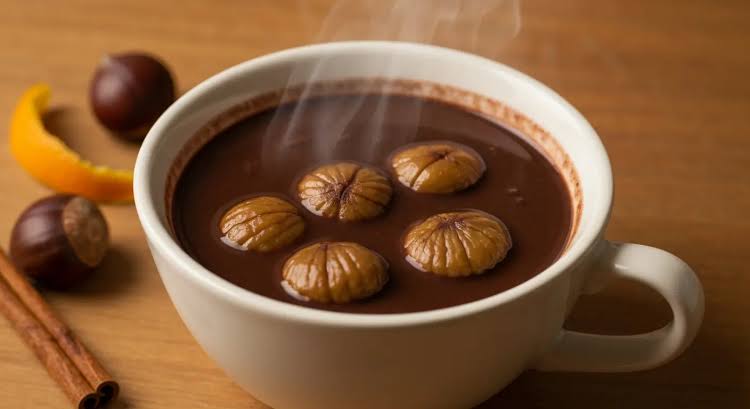
One of Malta’s oldest traditional drinks is Imbuljuta tal-Qastan, a rich winter beverage made from chestnuts, cocoa, citrus peel, cloves, and spices. Traditionally served after Midnight Mass on Christmas Eve and during New Year’s celebrations, it occupies a unique place between a drink and a dessert.
While it can still be found during the festive season, many younger generations have never tasted homemade imbuljuta, making it one of Malta’s most endangered culinary traditions.
Homemade Anisette
Anise-flavoured drinks were once a staple in many Maltese homes. Homemade anisette was often prepared using recipes passed down through generations and served as an after-dinner digestif. This aromatic liqueur was particularly popular during family celebrations and village festas.
Today, commercially produced versions remain available, but traditional homemade recipes are becoming increasingly rare.
Carob Liqueur
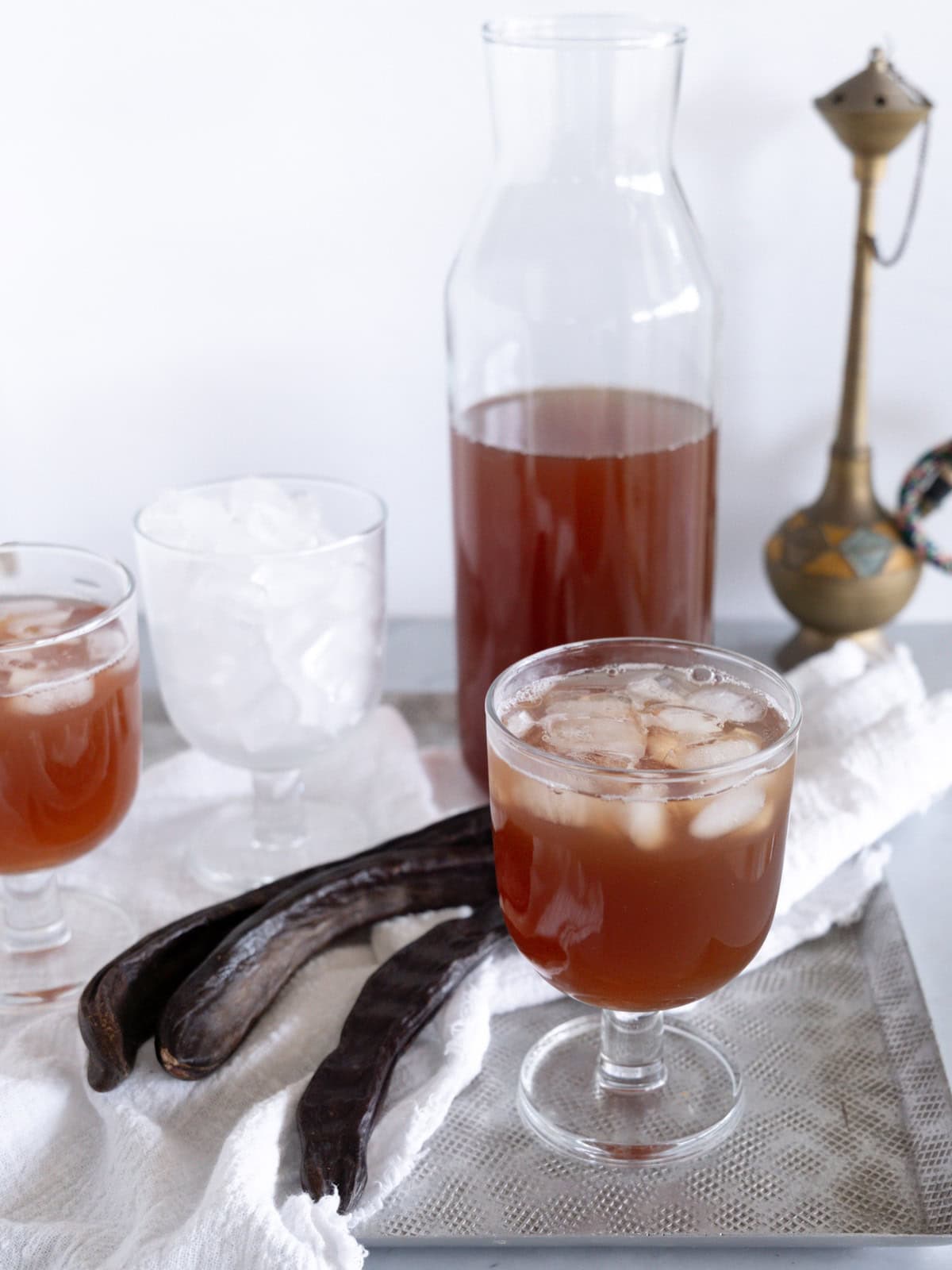
The carob tree has been part of the Maltese landscape for centuries. Historically, its pods were used as a sweetener and ingredient in homemade remedies and beverages. Carob liqueur emerged as a uniquely Maltese digestif, offering rich notes reminiscent of chocolate, coffee, and molasses.
Although enjoying a revival among artisan producers, it remains far less common than it once was in Maltese households.
Honey-Based Spirits
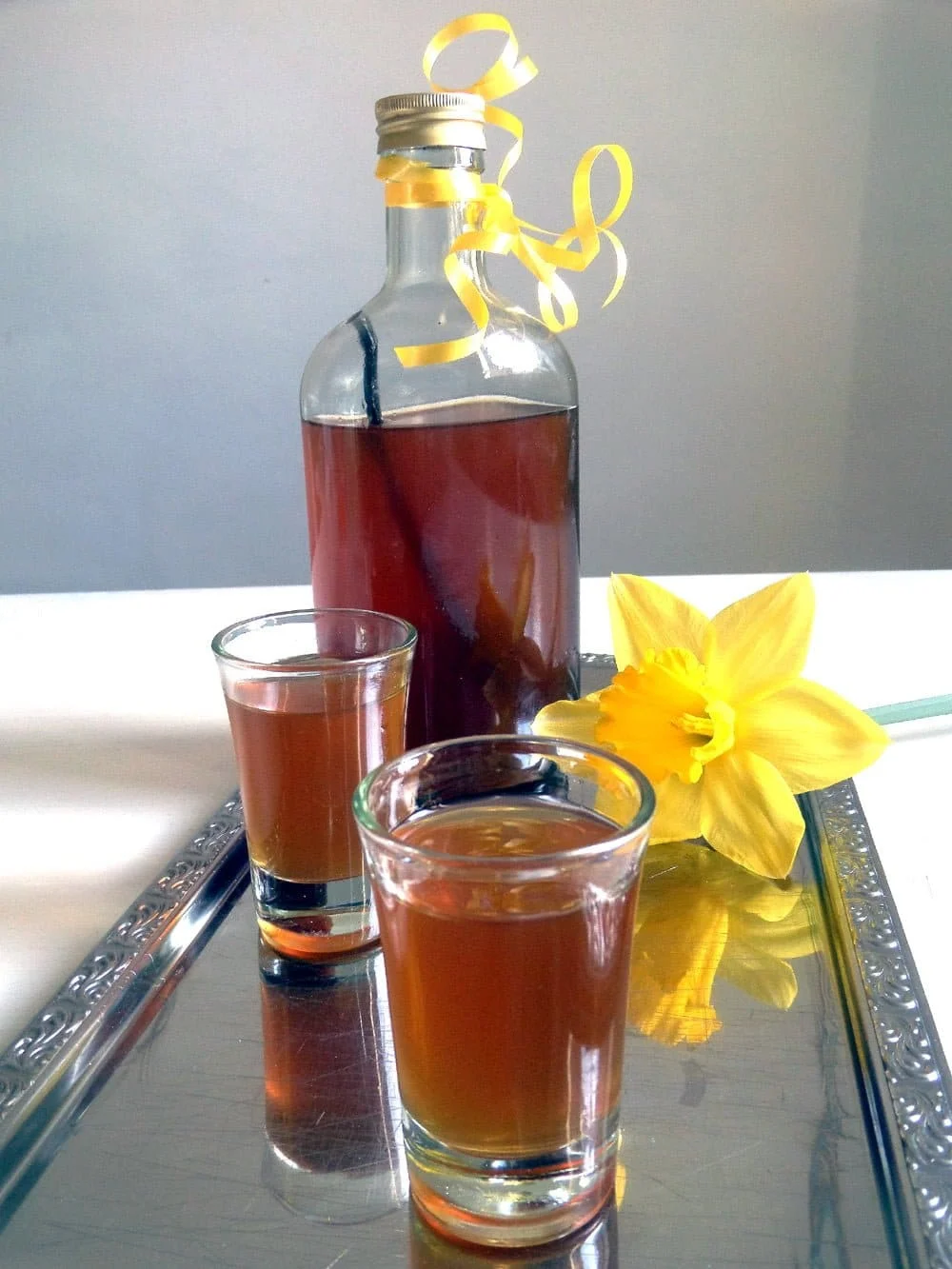
Long before imported spirits became widely available, honey was often used to create local alcoholic drinks similar to mead. Historical accounts suggest that honey-based beverages were consumed during the time of the Knights of St John and were valued for both social and medicinal purposes.
Today, these drinks have largely disappeared, surviving only in historical references and occasional speciality productions.
Herbal Liqueurs and Folk Remedies
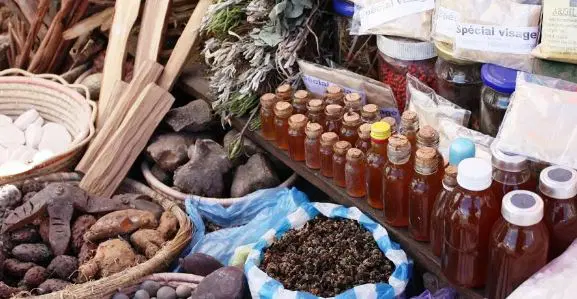
Many traditional Maltese drinks blurred the line between alcohol and medicine. Families infused spirits with local herbs, citrus peels, fennel, rosemary, and wild plants believed to offer health benefits. These homemade concoctions were commonly served as remedies for digestion, colds, and other ailments.
As modern medicine and commercial beverages became more accessible, many of these recipes gradually disappeared.
Bajtra: The Survivor
While many traditional drinks have faded away, bajtra liqueur remains one of Malta’s most successful local beverages. Made from the fruit of the prickly pear cactus, bajtra has become a symbol of Maltese hospitality and is popular with both locals and visitors.
Its continued popularity demonstrates that traditional flavours can survive when they adapt to modern tastes.
Preserving Malta’s Liquid Heritage
Many of Malta’s forgotten drinks tell stories of family gatherings, seasonal celebrations, and generations of craftsmanship. As interest grows in authentic local experiences and traditional food culture, there is renewed appreciation for these historic beverages.
Whether it is a warming mug of imbuljuta at Christmas, a homemade anisette after a feast, or a carefully crafted carob liqueur, these drinks offer a fascinating glimpse into Malta’s past and deserve to be remembered by future generations.