
Table of Contents
ToggleWhy Are More Dead Tuna Washing Up on Malta’s Shores?
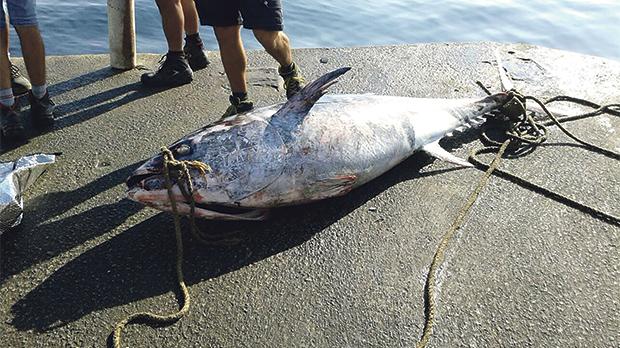
In recent months, several large tuna have been found dead along Malta’s coastline, sparking concern and curiosity among residents, fishermen, divers, and beachgoers.
An Unusual Increase in Sightings
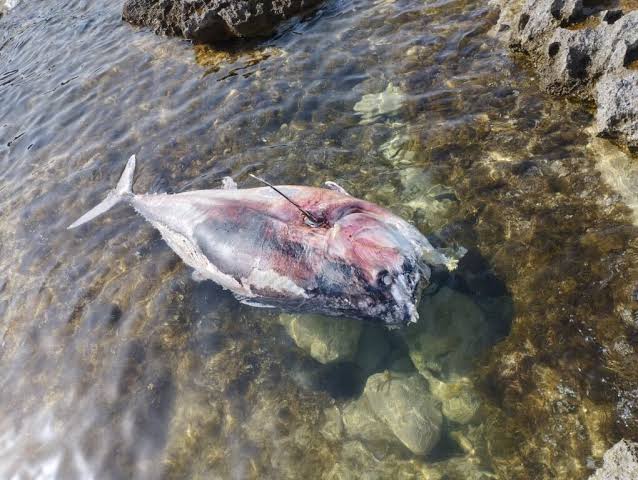
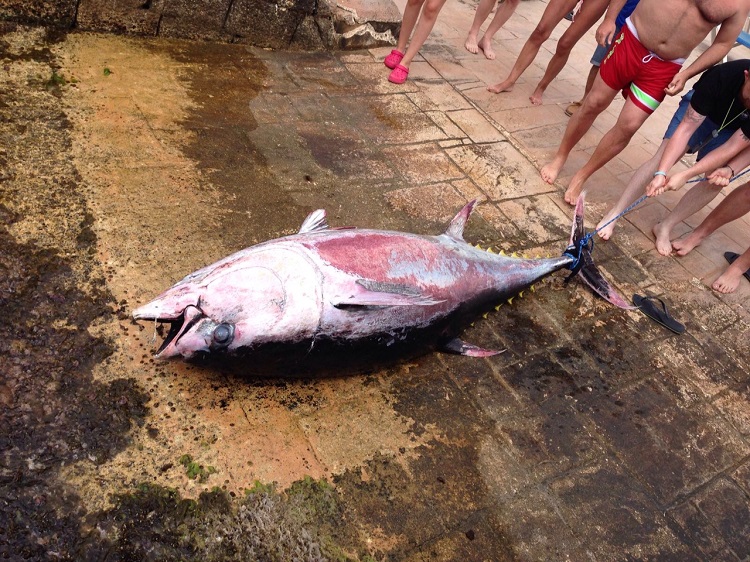
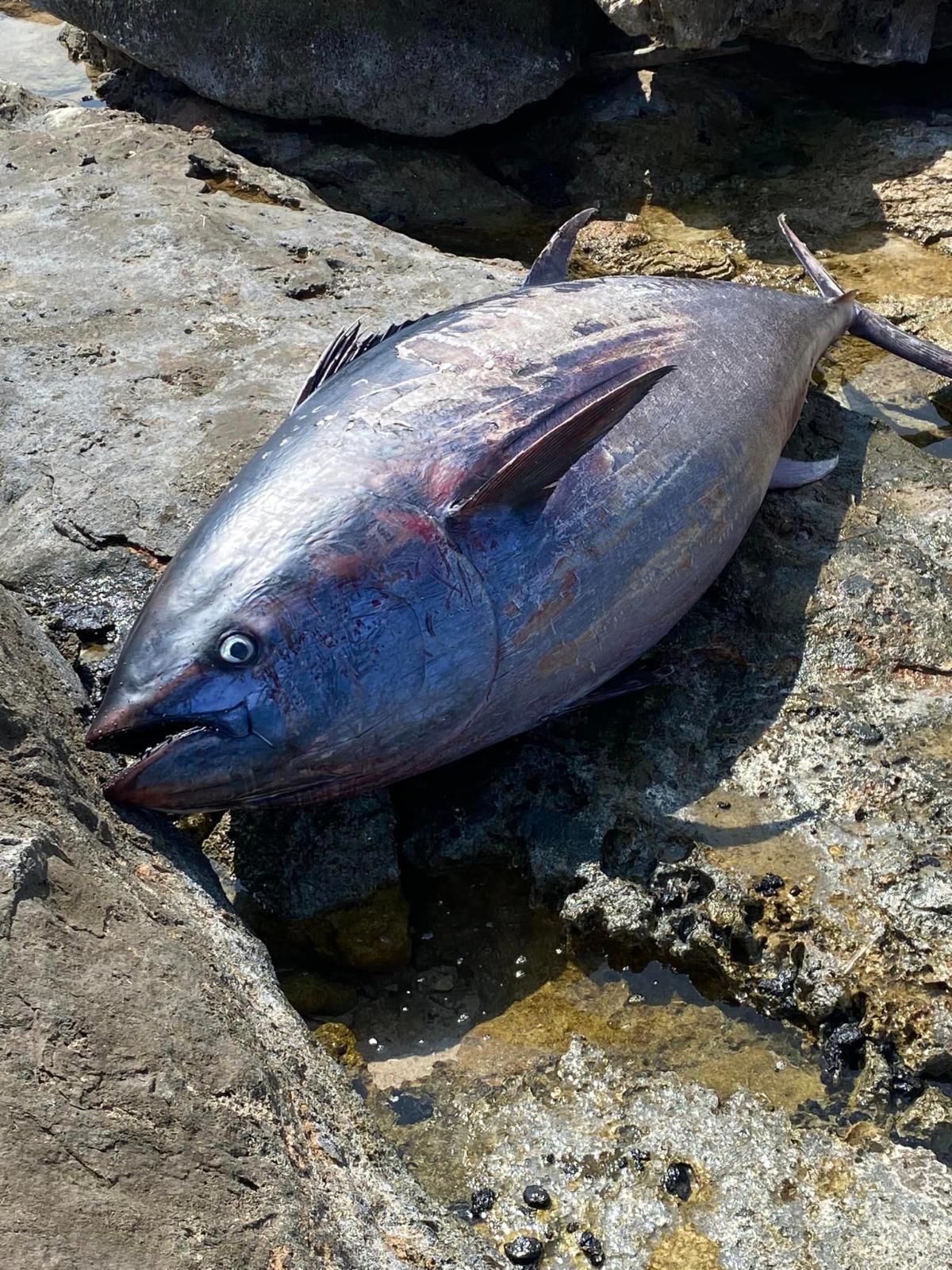
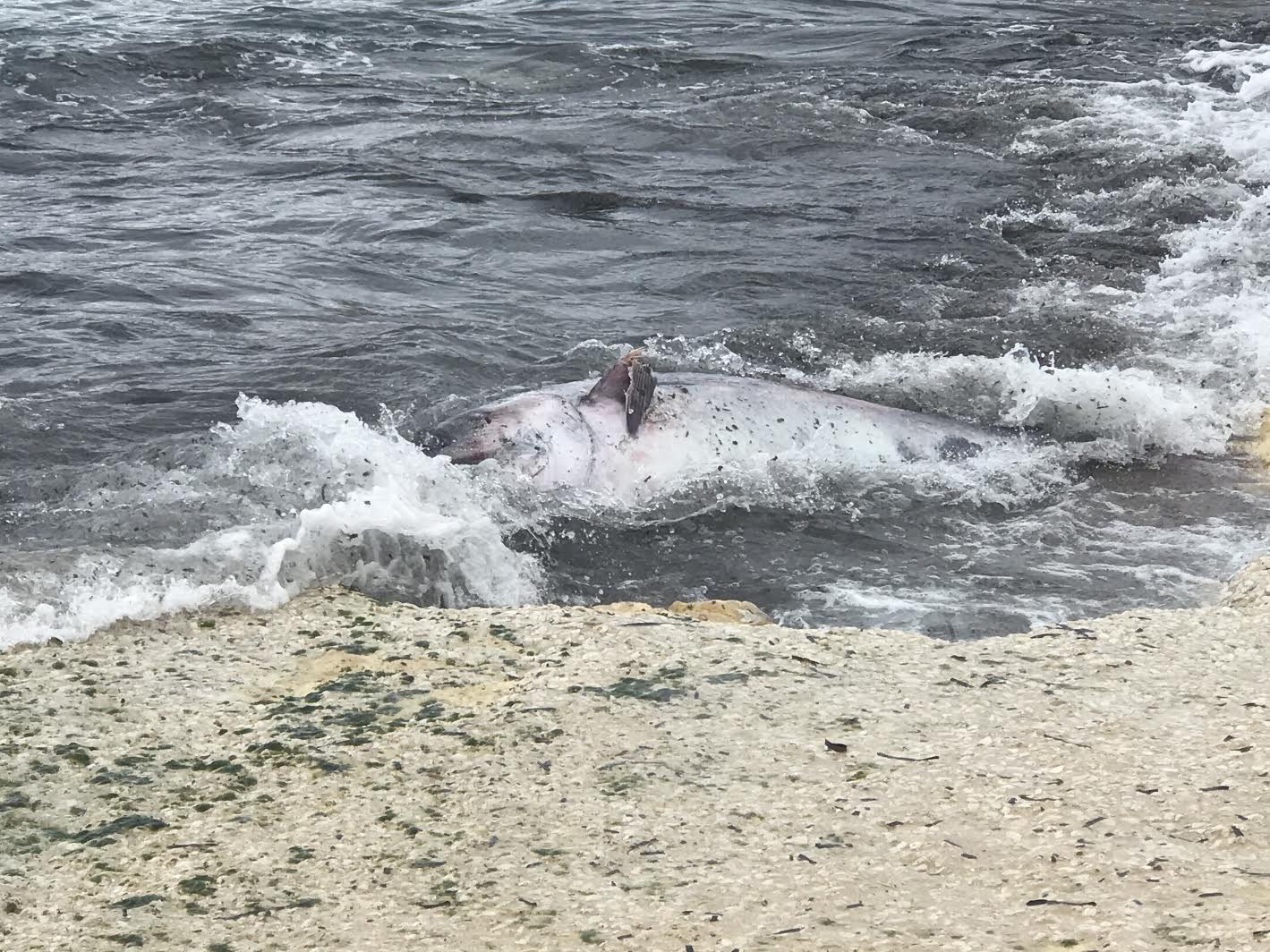
While dead fish occasionally wash ashore, the recent number of bluefin tuna reported along Malta’s coast has attracted significant attention. Large tuna have been discovered in areas including Gozo, Pembroke, Baħar iċ-Ċagħaq, Delimara, and Balluta Bay, suggesting that these events are occurring more frequently than many people are accustomed to seeing.
Bluefin tuna are among the Mediterranean’s most powerful and iconic fish species. They typically inhabit open waters and are rarely seen close to shore, making their appearance in shallow coastal areas particularly unusual.
What Could Be Causing It?
At present, no official authority has identified a single cause behind the recent tuna strandings and deaths. However, experts suggest several possible factors that may contribute to such incidents.
Injury or Disease
Some of the tuna found along Malta’s coast showed signs of physical injury or distress. In certain cases, observers noted cuts, lesions, or clouded eyes, indicating that the fish may have already been injured or unwell before reaching the shoreline.
Environmental Stress
Marine animals can be affected by changes in sea conditions, including water temperature, oxygen levels, strong currents, and other environmental factors. Such conditions may lead to stress, disorientation, or weakened health, potentially increasing the likelihood of strandings.
Disorientation in Coastal Waters
Bluefin tuna are open-sea predators and are rarely found in very shallow water. Experts note that injury, illness, or environmental changes can sometimes cause large fish to become disoriented and enter areas they would normally avoid.
Malta’s Connection to Tuna
Malta has long been associated with bluefin tuna fishing and aquaculture. The islands host several offshore tuna ranches where wild-caught tuna are fattened before export. While some public speculation has linked recent strandings to tuna farming activities, there has been no official confirmation connecting the recent deaths to aquaculture operations.
Why Monitoring Matters
Each dead tuna found along the coast provides valuable information for marine scientists and authorities. Monitoring these incidents can help identify patterns, detect emerging environmental concerns, and improve understanding of marine ecosystems around the Maltese Islands.
Members of the public who encounter stranded or dead marine wildlife should avoid handling the animals and report the sighting to the relevant authorities, allowing experts to investigate safely and collect important data.
Looking Ahead
Although the recent increase in dead tuna sightings has raised understandable concern, the exact reason behind these events remains unclear. Researchers and authorities continue to monitor the situation, and future investigations may provide answers as to why more tuna are appearing along Malta’s shores.
For now, these sightings serve as a reminder of the close relationship between Malta and the Mediterranean Sea, and the importance of protecting the marine environment that surrounds the islands.