Cirkewwa Gozo Channel & Comino with Bluewaves Watersports. Ferry trip, stunning lagoons, caves & diving near MV Rozi.
Category: Malta

The MV Rozi at Cirkewwa
Malta’s MV Rozi Wreck in Cirkewwa and explore the coast with Bluewaves Watersports in Marfa Bay, boat rentals, jet skis, Comino trips.

Paradise Bay Malta – Bluewaves Watersports
Paradise Bay – Malta Discover Paradise Bay with Paradise Bay Malta Tucked away in Malta’s northern tip, Paradise Bay is a hidden gem that lives up to its name. With its soft golden sands, crystal-clear turquoise waters, and unspoiled surroundings, this bay is the perfect escape for beach lovers, adventure seekers, and nature enthusiasts alike. Whether you’re here to relax or explore, Paradise Bay Malta is your trusted partner for making the most of this incredible destination. The Natural Beauty of Paradise Bay Paradise Bay is one of Malta’s most picturesque beaches, a natural inlet hugged by dramatic cliffs and framed by panoramic views of the Mediterranean Sea. Its calm, sheltered waters make it ideal for swimming, snorkeling, and simply floating in peace. Below the water’s surface, you’ll discover a vibrant marine ecosystem perfect for snorkelers of all levels. Colorful fish, unique rock formations, and clear visibility create a serene underwater playground. Above water, the secluded cove offers the kind of postcard-perfect scenery that feels like a private paradise. Relax, Refuel, and Stay Awhile Despite its natural, untouched feel, Paradise Bay offers convenient facilities for a comfortable beach day. A cozy bar and restaurant on-site serve a variety of food and drinks, from chilled cocktails to hearty meals, so you can fuel your adventure or wind down while soaking in the stunning views. During summer, the beach is a lively hub of activity. For a more tranquil experience, visit during the shoulder season when you can enjoy its beauty in a quieter setting. Fun Fact: The Descent to Paradise Getting to the beach involves a scenic descent of around 180 steps and the views along the way are breathtaking. These stairs not only add to the sense of anticipation but also give you sweeping views of the surrounding coast. How to Reach Paradise Bay Getting to Paradise Bay is both easy and adventurous. Whether you’re coming on foot or by sea, the journey is part of the fun. By Foot: Hikers will enjoy a scenic route along the cliffs with views of Gozo and Comino. By Self-Drive Boat: Want to explore at your own pace? Bluewaves Watersports Malta offers self-drive boats, so you can chart your own course and arrive in style. By Private Skippered Tour: Prefer to relax while someone else navigates? Join a private boat tour with one of our experienced skippers who’ll not only take you safely to Paradise Bay but also share fascinating local insights along the way. Close to Everything That Matters Located in the northern region of Malta, Marfa Bay is ideally positioned near some of the island’s most iconic destinations, including: Paradise Bay Blue Lagoon Crystal Lagoon Comino Caves Santa Marija Bay San Niklaw Bay Marfa Bay Malta provides a perfect starting point or stopover for exploring this part of the archipelago. Whether you’re planning a full day of island hopping or a single serene getaway, we’ve got you covered. Why Choose Bluewaves Watersports Malta? At Bluewaves Watersports Malta, we’re committed to helping CONTINUE READING

Surprising Secrets from the Set of Popeye
The wild behind-the-scenes of Popeye (1980), Robin Williams’ debut, with new revelations of Cocaine on film set, from Barry Diller.

Malta Event Calendar
Malta event heartbeat with kalendarjukulturali.gov.mt – your go-to calendar for theatre, art, music, festivals, and public cultural events.
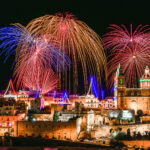
Feasts of Malta
The Vibrant Feasts of Malta: A Celebration of Faith, Tradition, and Culture Malta, a small island nation in the heart of the Mediterranean, is known for its rich history, stunning landscapes, and warm, welcoming people. However, one of the most captivating aspects of Maltese culture is the island’s deep-rooted tradition of religious feasts. These lively celebrations, which take place throughout the year, are a blend of spirituality, community, and festivity, drawing locals and tourists alike to experience the unique atmosphere of Malta’s vibrant villages. Feasts, or “festas,” are an integral part of Maltese life. While they are primarily religious in nature, honoring patron saints and their respective churches, they also serve as important social events, offering a sense of unity, joy, and pride. Visitors to Malta can expect to see colorful processions, hear bands playing traditional marches, and witness spectacular fireworks displays — all while enjoying local food and drinks in a festive atmosphere. The History of Maltese Feasts The tradition of feasts in Malta dates back centuries, influenced by the island’s deep Catholic roots and its long history of occupation by various powers, including the Phoenicians, Romans, Arabs, Normans, and the Order of St. John (the Knights Hospitaller). Under the Knights, Malta became a center of Christian devotion and military might, and religious observances were a central part of daily life. This influence still shapes the way feasts are celebrated today. The feasts are usually dedicated to the patron saints of towns and villages across Malta. It is common for every town or village to have its own annual feast, often held on the feast day of its patron saint. The festivities typically start on the Saturday before the actual feast day and continue through to Sunday, sometimes even lasting for a whole week. During this time, the local church is adorned with colorful decorations, and the streets are filled with lights, banners, and flowers. What to Expect at a Maltese Feast A Maltese feast is a multi-sensory experience that combines religious observance with lively festivities. Here are some of the key elements that you can expect when attending one of these vibrant events: The Procession: The heart of any feast is the procession, which is typically held on the feast day itself. A statue or image of the patron saint is paraded through the streets, often accompanied by prayers, hymns, and incense. The procession is a deeply religious event, with many locals participating by walking alongside the statue, carrying candles or offering prayers. The procession is often accompanied by a band, playing traditional marches, which add to the festive atmosphere. Fireworks Displays: One of the most spectacular aspects of Maltese feasts is the fireworks. These displays are often grand and impressive, lighting up the night sky in vibrant colors. The fireworks are traditionally fired from the church or a nearby open space, and each village competes with others to put on the best display. The history of fireworks in Malta dates back to the 18th century, and they CONTINUE READING
Sharks in Malta
Sharks in Malta: A Rare and Beautiful Encounter with Nature At Bluewaves Watersports, we’re passionate about Malta’s stunning marine life. Our crystal-clear Mediterranean waters are home to an incredible array of sea creatures, from playful dolphins to colorful fish. One fascinating but often misunderstood ocean dweller very rarely makes an appearance in our waters. The shark. Before your imagination runs wild, let us reassure you, Malta is not known for shark activity, especially near the coast. In fact, shark sightings here are very rare. But when one does appear, as happened recently in Sliema, it’s a wonderful reminder of how rich and healthy our marine ecosystem truly is. A Peaceful Visitor in Sliema – 09/05/2025 On May 9th, 2025, beachgoers and walkers along the Sliema coast witnessed a special and rare sight, a small shark was seen calmly swimming close to shore. The video quickly made rounds on social media, with onlookers expressing surprise and awe at the peaceful presence of this ocean visitor. Marine experts believe the shark was likely a blue shark (Prionace glauca), a sleek, deep-sea species known for its striking blue coloration and gentle nature. These sharks live far offshore and are not typically found near beaches. Sightings near the coast are exceptionally rare, and this one came with calm seas and perfect visibility, ideal conditions for such an encounter. The shark posed no threat to swimmers, and officials confirmed there was no danger or need for alarm. In fact, it was a positive sign that our local waters remain clean and biodiverse. Sharks are essential indicators of a healthy ocean, and seeing one in Malta is a rare and special moment to appreciate. Sharks in Malta: The Facts Malta’s surrounding waters are home to over 30 species of sharks, but most are small, non-aggressive, and live in deep waters far from shore. The reality is that you are extremely unlikely to ever see a shark while swimming, snorkeling, or enjoying water activities here. In fact, shark-related incidents in Malta are virtually unheard of. Sharks do not hunt humans, their diet consists mainly of fish and squid, and they are naturally wary of people. Interestingly, the waters near Filfla, an uninhabited islet south of Malta, are one of the island’s richest marine ecosystems and an occasional habitat for larger marine species, including some types of sharks. However, this area is far from regular swimming zones and is a protected nature reserve, ensuring minimal interaction with humans. At Bluewaves Watersports, safety is our top priority. In all our years operating here at Bluewaves Watersports, we’ve never had any kind of shark-related issue. The sighting on 09/05/2025 in Sliema was not a warning, it was a rare and beautiful reminder of nature’s balance. Sharks: Guardians of the Sea Sharks are a vital part of the marine ecosystem. As apex predators, they help maintain the balance of other marine life, keeping populations in check and supporting the overall health of coral reefs and fish stocks. Despite their important role in CONTINUE READING

Maltese Traditional Buses
The Charm and Legacy of Maltese Traditional Buses When one thinks of Malta, images of crystal-clear waters, ancient architecture, and sun-soaked landscapes might come to mind. But for decades, something else colorful and unmistakably unique captured the heart of this Mediterranean island — the iconic Maltese traditional bus. These buses weren’t just a means of transportation; they were moving symbols of Maltese culture, hand-decorated masterpieces, and beloved relics of a bygone era. A BUS History The story of Maltese traditional buses dates back to the early 20th century. The very first buses appeared on the island in 1905, and over time, they became the primary method of public transportation. By the 1920s and 30s, most buses were imported as bare chassis from manufacturers like Bedford, Leyland, and AEC. These chassis were then transformed into unique vehicles by local craftsmen who built the bodywork and designed the interiors. What made these buses so special was that no two were exactly the same. Each one was personalized by its driver, who was often also the owner. This resulted in a fleet that was as diverse in appearance as it was functional — buses were often painted in vibrant colors, decorated with religious symbols, witty sayings, family crests, and even chrome ornaments. From bold reds and canary yellows to lime greens and sky blues, each bus was a rolling canvas. Cultural Icons on Wheels More than just transportation, Maltese buses became an integral part of the island’s culture and identity. The drivers took immense pride in their vehicles, maintaining them meticulously and often investing significant time and money into decoration and repair. Riding one of these buses was not merely a commute; it was an experience. Tourists and locals alike grew fond of the unique ambiance: the scent of engine oil and leather seats, the buzz of conversation, and the occasional blast of Maltese or Italian music from the driver’s radio. The interiors often included religious icons, photos of loved ones, and even little shrines tucked into dashboards. For decades, these buses connected rural villages to urban centers and became a part of daily life in Malta. The Farewell: Modernization and Controversy By the early 2000s, however, Malta’s aging bus fleet began to draw criticism. The vehicles, while charming, were becoming outdated. Many lacked air conditioning, were prone to breakdowns, and didn’t meet modern accessibility standards. Pollution was also a growing concern, with the diesel engines contributing heavily to urban smog. In 2011, Malta undertook a major overhaul of its public transport system. The traditional buses were replaced with a standardized, modern fleet operated initially by Arriva and later by other private operators. Though more efficient and environmentally friendly, the new buses didn’t carry the same charm — and their arrival sparked a wave of nostalgia, sadness, and even protest among locals and vintage bus enthusiasts. Preserving the Bus Legacy Thankfully, all was not lost. Recognizing their cultural significance, efforts were made to preserve many of the traditional buses. Today, several restored buses CONTINUE READING
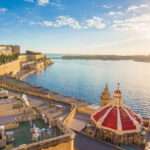
Grand Harbour of Malta in Valletta
The Grand Harbour of Valletta The Grand Harbour, known as “Il-Port il-Kbir” in Maltese, is a natural harbour located in Valletta, Malta (Google Location). Renowned for its expansive size and strategic significance, it has played a pivotal role throughout Malta’s history, serving as a focal point for military, economic, and cultural developments. Valletta’s Harbour Geographical Layout The harbour’s entrance faces northeast, flanked by Saint Elmo Point to the north and Ricasoli Point to the south, further protected by an isolated breakwater. The Sciberras Peninsula, predominantly occupied by Valletta and its suburb Floriana, forms the northwestern shore and separates the Grand Harbour from the parallel Marsamxett Harbour. The southeastern shore is characterized by a series of inlets and promontories, including Rinella Creek, Kalkara Creek, Dockyard Creek, and French Creek, encompassing the areas of Kalkara and the Three Cities: Cospicua, Vittoriosa, and Senglea. The main waterway extends inland towards Marsa. The Grand Harbour’s Historical Significance The Grand Harbour’s strategic location has rendered it a coveted asset across various eras: Prehistoric and Classical Eras Archaeological findings, such as the Kordin Temples dating back to circa 3700 BC, indicate early human activity along the harbour’s shores. Subsequent Punic and Roman artifacts further attest to the area’s long-standing significance. Medieval Period By the 12th and 13th centuries, the establishment of the Castrum Maris in present-day Birgu underscored the harbour’s defensive importance. Notably, the 1283 Battle of Malta, where Aragonese forces triumphed over a larger Angevin fleet, unfolded at the harbour’s entrance. Knights of St. John Era From 1530 to 1798, the Order of Saint John headquartered in Birgu, fortifying the area extensively, including the transformation of Castrum Maris into Fort Saint Angelo. The harbour was central during the Great Siege of 1565, with the Ottomans’ unsuccessful attempt to seize it marking a turning point in Maltese history. Post-siege, the foundation of Valletta on the Sciberras Peninsula further solidified the harbour’s prominence. British Colonial Period Following the expulsion of the French in 1800, Malta became a British protectorate and was formally declared a colony in 1814 under the Treaty of Paris. The Grand Harbour quickly became a crucial naval base for the Royal Navy, serving as a repair, refueling, and supply station. British investment in fortifications and dockyards reinforced Malta’s role as an imperial stronghold, particularly through the expansion of coastal defenses, including numerous batteries and gun emplacements designed to protect the harbour from naval attacks. These fortifications, such as Fort Rinella with its massive 100-ton gun, played a key role in securing British naval dominance in the Mediterranean. Despite economic and infrastructural advancements, tensions arose over cultural and political issues, leading to demands for self-governance. A constitution granted limited autonomy in 1921, but political instability led to its suspension in 1933. During World War II, Malta’s strategic position made it a prime target for Axis bombing, with the Grand Harbour’s batteries and anti-aircraft defenses playing a crucial role in resisting enemy assaults, though widespread destruction ensued. After the war, Malta’s significance as a British military CONTINUE READING

Um El Faroud Wreck
The Um El Faroud Wreck Malta is renowned for its stunning dive sites, and one of its most iconic wrecks is the Um El Faroud. Resting off the coast of Wied iż-Żurrieq, this wreck is a must-visit destination for divers seeking an exciting and immersive underwater experience. Once a mighty Libyan oil tanker, the Um El Faroud met a tragic fate before being repurposed as an artificial reef. Today, it attracts thousands of divers annually, offering a unique blend of history, marine life, and exploration. The History of Um El Faroud The Um El Faroud was built in 1969 in England and served as an oil tanker for Libya. Measuring 110 meters in length and 16 meters in width, it was a formidable vessel used for transporting fuel across the Mediterranean. However, its operational days came to an abrupt end in 1995 when a devastating accident occurred during maintenance work at the Malta Drydocks. A gas explosion on board tragically killed nine Maltese workers, leading to the vessel being deemed beyond repair. In honor of the lives lost, a plaque is placed on the wreck as a tribute. After spending three years docked at the Grand Harbour, the Maltese authorities decided to scuttle the ship in 1998 to create an artificial reef. The wreck now lies approximately 36 meters deep, making it accessible to advanced divers looking for an extraordinary dive experience. Diving the Um El Faroud Wreck Location and Conditions The Um El Faroud wreck is located just off the coast of Wied iż-Żurrieq, near the famous Blue Grotto. The wreck sits on a sandy seabed at a depth of 35-36 meters, while the highest point of the ship is at around 18 meters. The waters around the wreck generally offer excellent visibility, ranging from 20 to 40 meters, allowing divers to fully appreciate the grandeur of this sunken giant. Google Map location. Exploring the Wreck Diving the Um El Faroud is an unforgettable experience. The ship is split into two sections due to storm damage in 2005, which adds to its dramatic and haunting beauty. Divers can explore the engine room, cargo holds, bridge, and walkways, all of which are now home to a variety of marine life. For those with appropriate wreck penetration training, there are several safe entry points that allow for an eerie yet fascinating exploration of the ship’s interior. However, the depth and size of the wreck make it best suited for advanced and technical divers. If you want to book a diving trip to explore the Um El Faroud Wreck, contact Dive Vision Malta. Marine Life and Biodiversity Over the years, the Um El Faroud has evolved into a thriving artificial reef, supporting an incredible variety of marine life. Schools of barracuda, amberjack, and bream are often seen circling the wreck, while moray eels and octopuses hide within the crevices. The ship’s surfaces have been colonized by colorful sponges, corals, and algae, creating a vibrant underwater landscape. Divers also frequently encounter groupers, CONTINUE READING