Ggantija Temples in Gozo

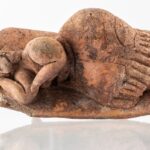
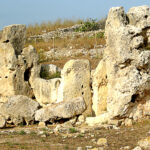
Ggantija – The Prehistoric Megalithic Temples of Gozo On the small island of Gozo, just a short ferry ride from Malta, visitors can discover one of the most astonishing archaeological sites in the world: the Ggantija Temples. These ancient structures are not only older than the pyramids of Egypt and Stonehenge but also represent a time when early human communities created sacred spaces with remarkable skill and purpose. Despite their global historical significance, Ggantija remains a lesser-known marvel, offering travelers a rare chance to experience a truly ancient site without the crowds. A Glimpse into Prehistory The Ggantija Temples are part of the UNESCO World Heritage listed Megalithic Temples of Malta and are considered among the earliest free standing stone structures on Earth. Dating back to between 3600 and 3200 BCE, these temples were constructed during the Neolithic period, also known as the Temple Period in Maltese prehistory. The name “Ggantija” comes from the Maltese word ggant, meaning “giant.” According to local legend, the massive stones used to construct the temples were carried and erected by a giantess named Sunsuna, who was said to have built the temple while carrying a child on her shoulder. Although folklore has long attributed the site to supernatural beings, archaeological evidence confirms the builders were part of a highly organized and spiritual society with a sophisticated understanding of architecture, astronomy, and ritual. Location and Layout of Ggantija Located on the outskirts of the village of Xagħra in Gozo, Ggantija is composed of two main temples enclosed within a single boundary wall. This outer wall, made up of colossal limestone blocks, some weighing over 50 tons, is an awe inspiring sight that immediately invokes wonder. How did people without modern machinery move and place these stones with such precision? The exact methods remain a mystery, but archaeologists suggest the use of spherical stone rollers and levers. Each of the temples features a clover leaf layout known as a trefoil design, consisting of semicircular apses branching off from a central corridor. This design is characteristic of Maltese temple architecture and appears across other prehistoric sites on the islands. The inner sanctuaries were likely used for ceremonial and religious purposes, possibly involving fertility rituals and offerings to deities. Spiritual Significance of the Ggantija Temples While Gozo is also known for its many beautiful churches, such as the Basilica of Ta’ Pinu, the Ggantija Temples offer a much older glimpse into the island’s sacred history. Archaeological findings such as altars, hearths, and animal bones suggest that Ggantija was a site of communal worship and ritual. The temples may have been dedicated to a mother goddess or fertility cult, as implied by figurines and statues unearthed in the area. The emphasis on round, voluminous forms in the statues aligns with fertility symbolism found in other ancient cultures. The orientation of the temples also holds astronomical significance. The southern temple’s main entrance is aligned with the solstices, suggesting that the builders had an understanding of celestial patterns, possibly linking their CONTINUE READING