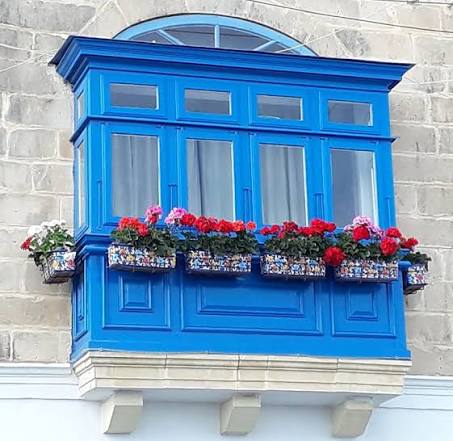
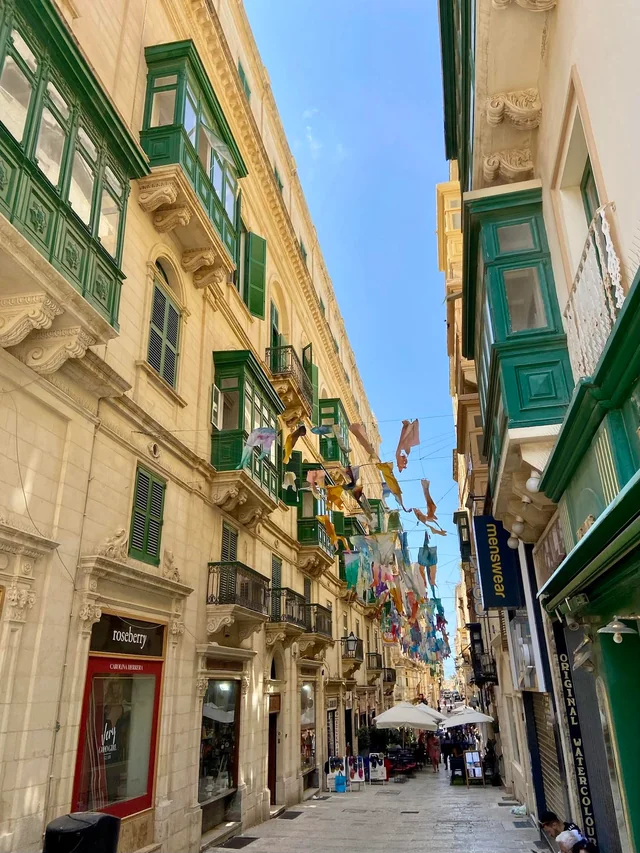
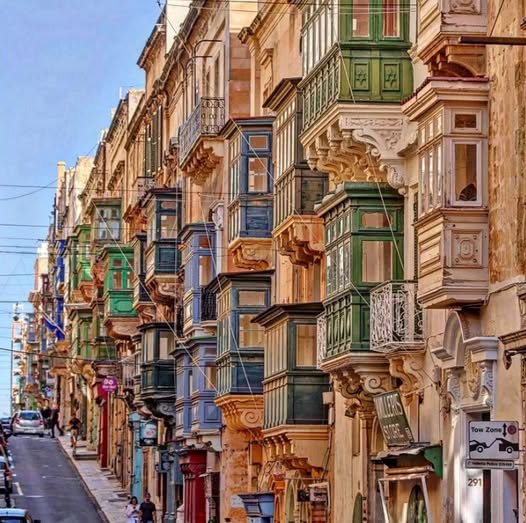
Few architectural features are as closely associated with Malta as the traditional Maltese balcony, known locally as the gallarija. Projecting from limestone façades and often painted in vibrant colours, these enclosed wooden balconies have become one of the most recognisable symbols of the Maltese Islands. Whether walking through Valletta, Mdina, the Three Cities, or the historic cores of many villages, visitors are immediately captivated by these charming structures that have shaped Malta’s streetscape for centuries.
The Origins of the Gallarija
Although the gallarija is now considered a distinctly Maltese feature, it was not always part of the island’s architecture. Enclosed balconies became widespread during the late seventeenth and eighteenth centuries, particularly in Valletta and the harbour cities.
Historians believe the gallarija evolved from architectural influences found throughout the Mediterranean, particularly the Arabic mashrabiya, a projecting enclosed structure designed to provide shade, ventilation, and privacy. Over time, Maltese craftsmen adapted these ideas and transformed them into a style that perfectly suited the island’s climate, culture, and way of life.
A Perfect Blend of Beauty and Function
The traditional Maltese balcony was much more than a decorative addition to a building. It served several practical purposes that made it ideal for everyday living.
Its enclosed design helped circulate air throughout the home while offering protection from the strong Mediterranean sun, wind, and rain. During Malta’s hot summers, the balcony provided a cooler and more comfortable space within the house.
The large windows also allowed residents to observe life outside without sacrificing privacy. From their balconies, people could watch village feasts, religious processions, markets, and daily activities unfolding below. In many ways, the gallarija became a private observation point overlooking the social life of the street.
A Splash of Colour in Maltese Streets
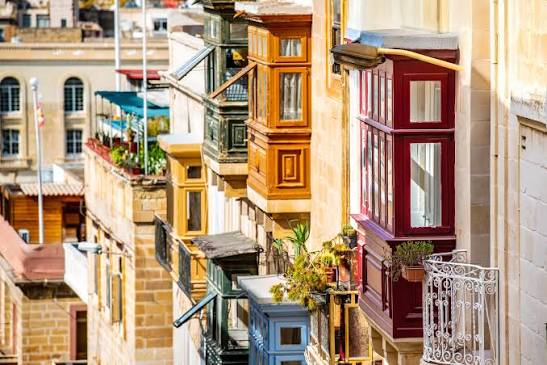
One of the most striking characteristics of Maltese balconies is their colour. Traditional gallariji are often painted green, blue, red, yellow, or burgundy, creating a beautiful contrast against the warm honey-coloured limestone buildings.
Each balcony has its own personality. Some are simple and elegant, while others feature intricate woodwork, decorative panels, and ornate stone supports crafted by skilled artisans. These details reflect generations of local craftsmanship and add charm to Malta’s urban landscape.
As sunlight changes throughout the day, these colourful structures create ever-changing patterns of light and shadow, making them a favourite subject for photographers and artists alike.
Preserving a National Treasure
Today, the gallarija remains an important part of Malta’s cultural and architectural heritage. Many historic balconies are carefully restored to preserve their original character and maintain the unique appearance of Malta’s towns and cities.
Conservation efforts ensure that these iconic structures continue to tell the story of Malta’s past while remaining an important feature of modern life. Their preservation helps protect not only the buildings themselves but also the traditions and craftsmanship associated with them.