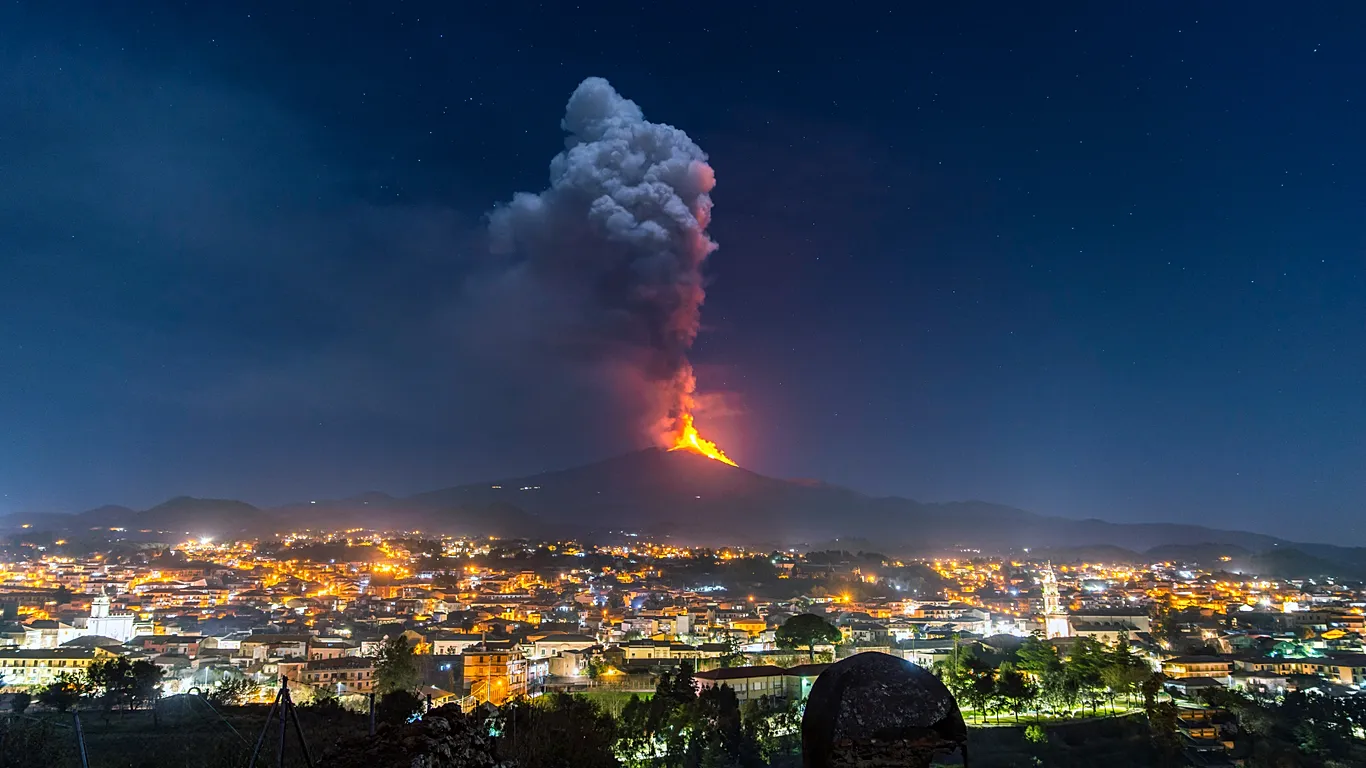
Copyright AP Photo/Salvatore Allegra
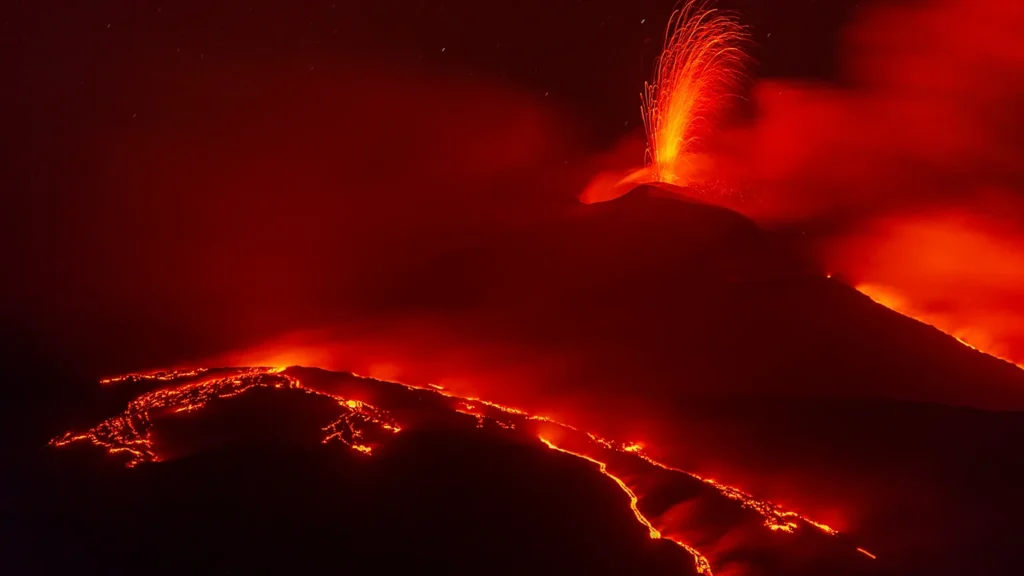
Rising majestically over the eastern coast of Sicily, Mount Etna is one of the world’s most famous volcanoes. Towering above the surrounding landscape, it is both a symbol of extraordinary natural beauty and a constant reminder of nature’s immense power. For centuries, Etna has shaped the lives, culture, and economy of the people who live in its shadow.
Its frequent eruptions have created a unique relationship between nature and disruption, where destruction and renewal exist side by side.
Â
A Living Giant
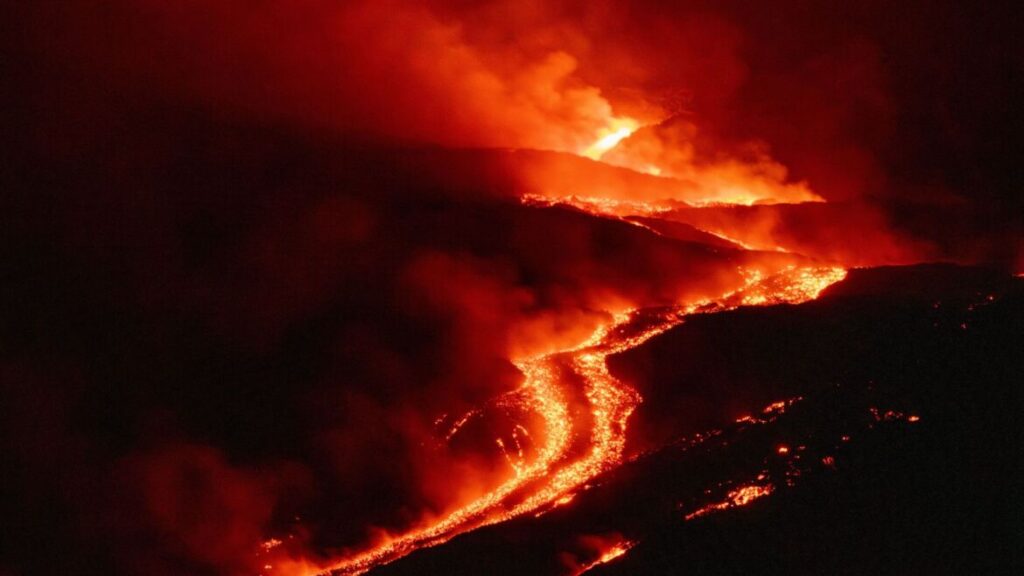
Mount Etna is Europe’s highest active volcano and one of the most active volcanoes on Earth. Its landscape is constantly evolving as lava flows, volcanic ash, and eruptions reshape the mountain and its surroundings.
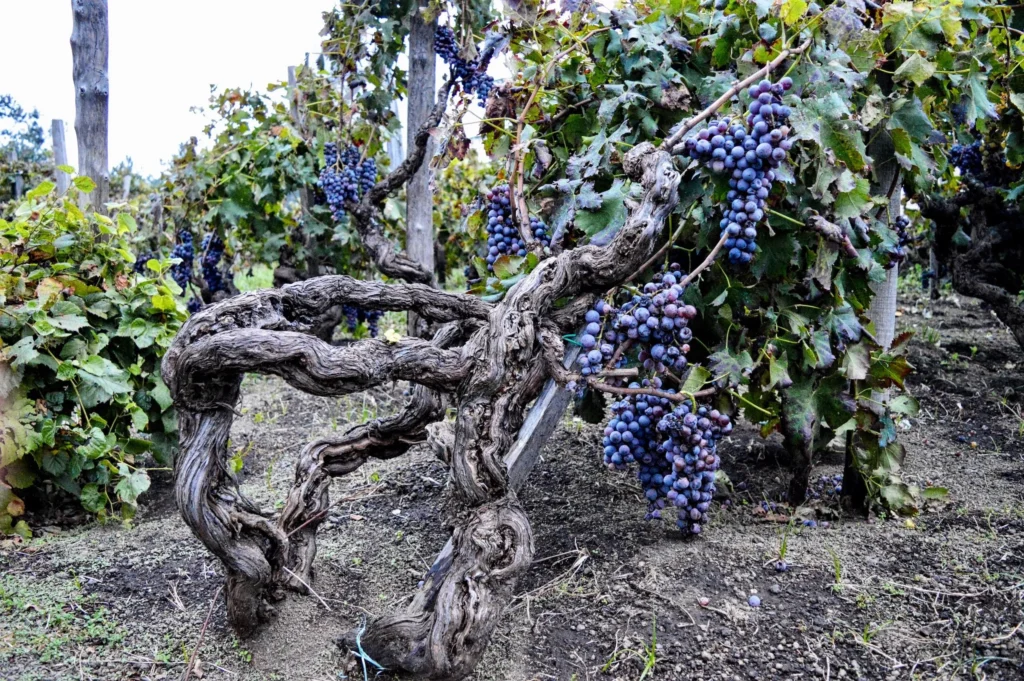
Despite its volcanic activity, Etna supports a rich ecosystem. Its slopes are covered with forests, vineyards, orchards, and fertile farmland that benefit from the mineral-rich volcanic soil. The contrast between black lava fields and lush vegetation creates a breathtaking environment unlike any other in Europe.
For nature lovers, Etna offers stunning views, diverse wildlife, and an opportunity to witness geological processes in action.
The Gift of Fertile Land
One of the remarkable aspects of volcanic regions is their ability to regenerate. While eruptions can cause significant damage, the volcanic material deposited over centuries creates exceptionally fertile soil.
Farmers around Etna cultivate grapes, olives, citrus fruits, pistachios, and numerous other crops. Sicilian wines produced on the volcano’s slopes have gained international recognition for their distinctive character, influenced by the unique volcanic terrain.
This fertility has encouraged communities to remain in the area despite the risks associated with living near an active volcano.
Nature’s Disruptive Force
While Etna provides many benefits, it also brings periodic disruption. Lava flows, ash clouds, and seismic activity can affect nearby towns, roads, businesses, and infrastructure.
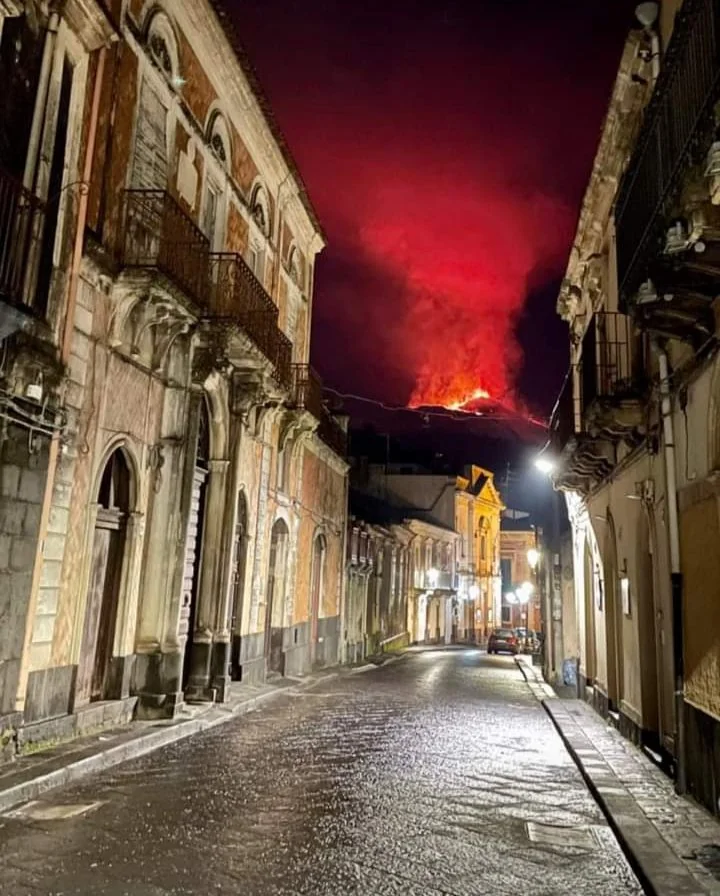
Volcanic ash is one of the most common challenges faced by local communities. Even relatively minor eruptions can blanket streets, rooftops, vehicles, and farmland with fine grey dust. Airports occasionally experience delays or temporary closures when ash clouds affect air traffic.
More powerful eruptions can threaten property and force authorities to implement precautionary measures to protect residents and visitors.
Living with Uncertainty
The people who live near Mount Etna have learned to adapt to this ever-changing environment. Generations have developed a deep respect for the volcano, understanding both its dangers and its benefits.
Modern monitoring systems help scientists track volcanic activity and provide early warnings when necessary. This combination of scientific observation and local experience allows communities to respond more effectively to changing conditions.
For many residents, Etna is not viewed as an enemy but as a natural neighbour whose behaviour must be understood and respected.
A Powerful Symbol
Beyond its geological significance, Mount Etna has become a symbol of resilience. Its presence reminds people that nature is both creative and destructive. The same lava that may disrupt daily life can eventually enrich the land and support future generations.
Visitors are often struck by this balance between beauty and uncertainty. Standing on Etna’s slopes provides a rare opportunity to appreciate the forces that continue to shape our planet.