
Table of Contents
ToggleThe Splendour of Malta’s Baroque Architecture
Malta’s architectural landscape is a vivid reflection of its layered history, and nowhere is this more striking than in its Baroque heritage. Developed primarily during the rule of the Knights of St John (1530–1798), Baroque architecture in Malta stands as a powerful symbol of faith, authority, and artistic sophistication. Today, it remains one of the defining features of the islands’ cultural identity, captivating both locals and visitors alike.
Origins of Maltese Baroque
The Baroque style began to flourish in Malta after the Great Siege of 1565, when the Knights of St John emerged victorious against the Ottoman Empire. Determined to solidify their power and celebrate their resilience, they embarked on an ambitious building programme. The foundation of Valletta in 1566 marked the beginning of this transformation. Although initially designed with a grid system typical of Renaissance planning, Valletta soon adopted Baroque elements that emphasised grandeur and theatricality.
Baroque architecture, which originated in Italy, was characterised by dramatic contrasts, elaborate ornamentation, and a sense of movement. In Malta, these features were adapted to local materials—primarily the warm, honey-coloured limestone—which gave buildings a distinctive glow under the Mediterranean sun.
Key Features and Design Elements
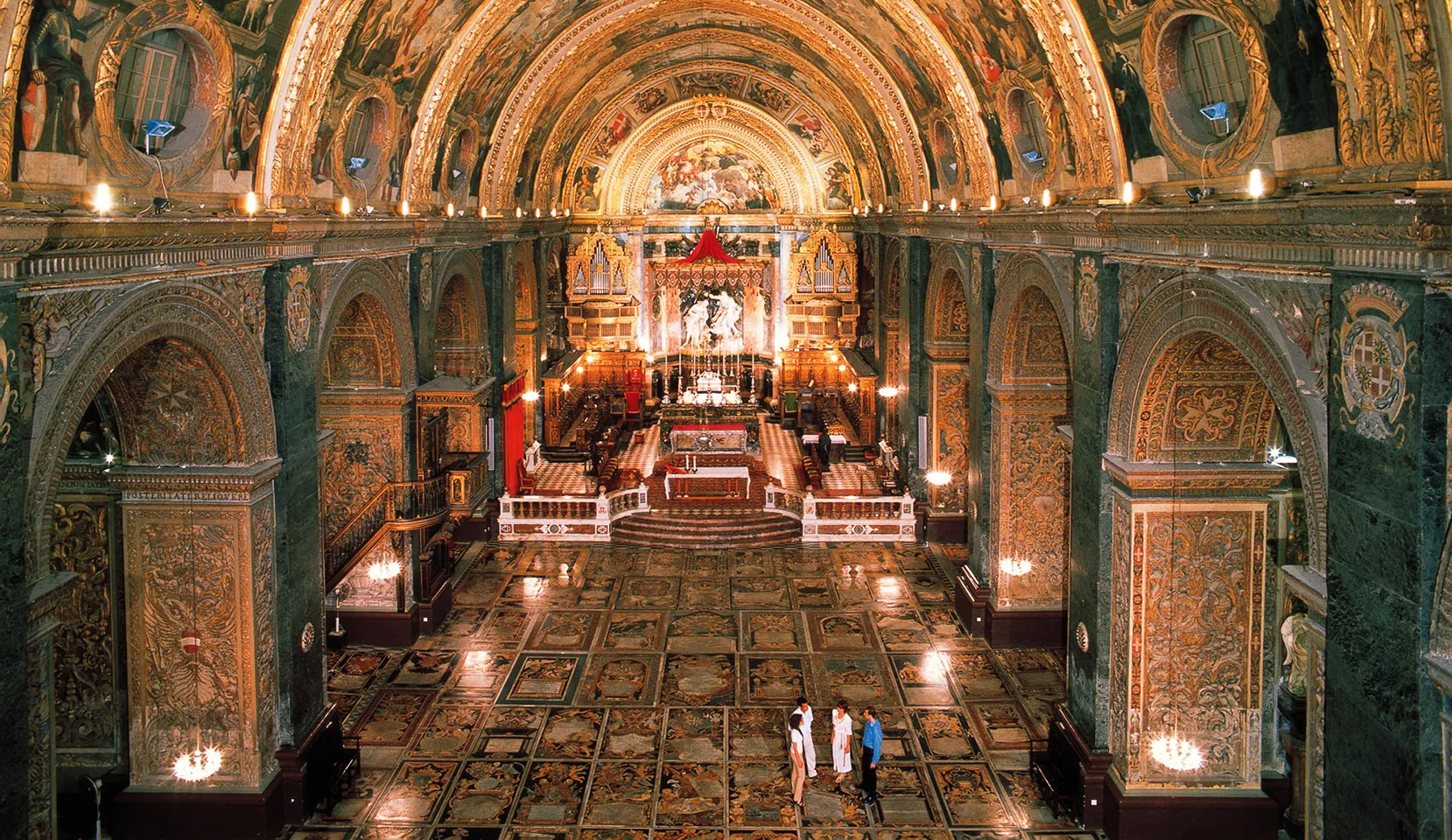
Maltese Baroque architecture is renowned for its richly decorated facades and intricate detailing. Churches, in particular, display an abundance of sculpted figures, floral motifs, and symbolic carvings. Interiors are often even more elaborate, featuring painted ceilings, gilded surfaces, and marble inlays that create a sense of overwhelming splendour.
One of the most notable aspects is the use of light. Baroque architects carefully designed windows, domes, and openings to manipulate natural light, creating dramatic effects that enhanced the spiritual atmosphere of sacred spaces. This interplay of light and shadow adds depth and emotion, drawing visitors into the experience.
Another defining feature is the integration of art and architecture. Sculptures, frescoes, and altarpieces are not merely decorative but form part of a cohesive narrative. This holistic approach reflects the Counter-Reformation ideals of the period, where art was used to inspire devotion and communicate religious messages.
Iconic Examples
No discussion of Maltese Baroque would be complete without mentioning St John’s Co-Cathedral in Valletta. Built in the 1570s and later transformed into a Baroque masterpiece, its interior is a dazzling display of artistic richness. From its intricately carved stone walls to the masterpieces by Caravaggio, the cathedral epitomises the grandeur of the style.
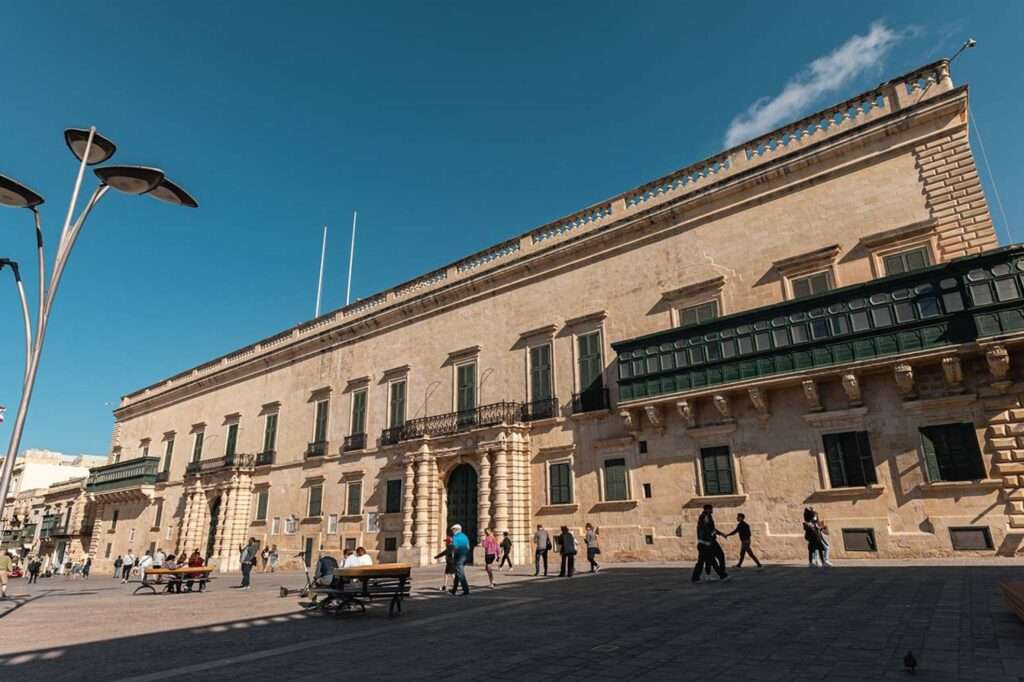
Another landmark is the Auberge de Castille, one of the most prominent buildings in Valletta. Redesigned in the 18th century, its imposing façade embodies the authority and prestige of the Knights. Similarly, the Grandmaster’s Palace showcases Baroque elegance, though with slightly more restrained decoration compared to ecclesiastical structures.
Outside Valletta, the influence of Baroque architecture extends to towns such as Mdina and Rabat, as well as numerous parish churches across the islands. The Cathedral of St Paul in Mdina and the Rotunda of Mosta are prime examples of how the style shaped Malta’s urban and rural landscapes.
Enduring Legacy
Today, Malta’s Baroque architecture is more than a historical relic, it is a living heritage. Many of these buildings continue to serve their original functions, while others have been adapted for modern use. Preservation efforts ensure that these structures remain intact, allowing future generations to appreciate their beauty and significance.
Moreover, Maltese Baroque has become a major attraction for cultural tourism. Visitors are drawn not only by the visual splendour but also by the stories embedded in stone—stories of resilience, faith, and artistic ambition.