
Table of Contents
ToggleThe Sleeping Lady of Malta: A Timeless Symbol of Prehistoric Life
Exploring Malta’s ancient heritage, with Bluewaves Watersports Mellieħa as your gateway to the island’s wider story
Among Malta’s most iconic archaeological treasures, the Sleeping Lady statue stands out as a powerful and mysterious symbol of the island’s prehistoric past. Small in size yet immense in cultural importance, this figurine offers a rare glimpse into life, beliefs, and artistry over 5,000 years ago. While Malta is world‑famous for its seas, coves, and islands, understanding its ancient roots adds depth to every visit, especially when exploring the north of the island from Mellieħa with Bluewaves Watersports Malta, perfectly located near many historically rich coastal routes.
What Is the Sleeping Lady Statue?
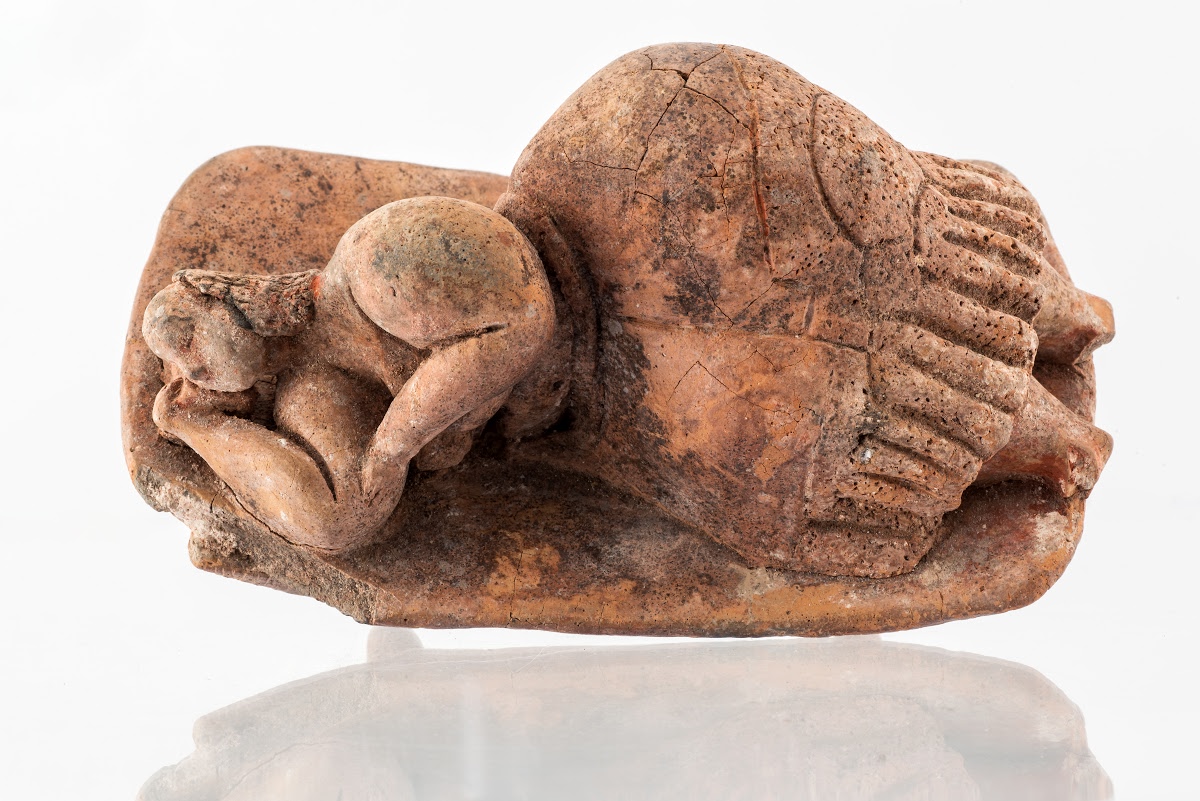
The Sleeping Lady is a prehistoric clay figurine dating to approximately 3000–2500 BC, from Malta’s Tarxien phase of prehistory. It was discovered in 1902 during excavations at the Ħal Saflieni Hypogeum, a UNESCO World Heritage Site in Paola.
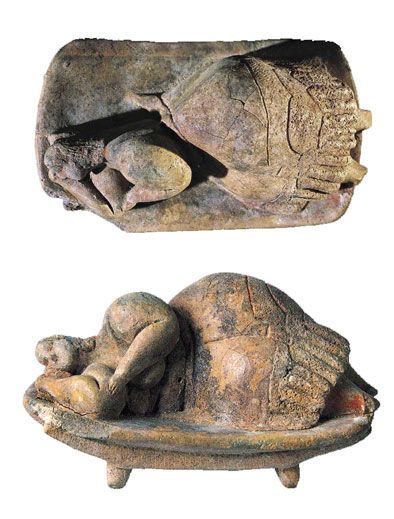
The figurine depicts a full‑figured woman lying on her side, resting on what appears to be a couch or bed. Her relaxed posture and carefully sculpted form suggest intentional artistry rather than decoration alone. Today, the original Sleeping Lady is displayed at the National Museum of Archaeology in Valletta, while replicas are sometimes shown at the Hypogeum visitor centre.
Meaning and Interpretation
Archaeologists have long debated the meaning of the Sleeping Lady. Importantly, no single interpretation is confirmed, and scholars avoid definitive claims.
Common academic interpretations include:
- A representation of rest or sleep, possibly connected to death or the afterlife
- A symbol of fertility or abundance, reflecting the importance of nourishment and continuity
- An artistic depiction of the human form, emphasizing realism and balance rather than idealization
What makes the Sleeping Lady exceptional is her naturalistic pose. Unlike many upright or symbolic prehistoric figures, she appears peaceful and human, suggesting a society attentive to daily life, rest, and the body.
Artistic and Cultural Significance
The Sleeping Lady demonstrates an advanced understanding of:
- Proportion and form
- Clay modeling techniques
- Intentional design rather than ritual abstraction
This level of craftsmanship indicates that Malta’s Neolithic inhabitants were not only skilled builders of megalithic temples but also sensitive artists with a deep appreciation for human expression.
The figurine has become one of Malta’s most recognizable archaeological icons, often featured in academic studies, exhibitions, and cultural discussions about prehistoric Europe.
Experiencing Malta’s Past and Present
While the Sleeping Lady is found inland, Malta’s prehistoric communities were deeply connected to the sea. The coastline around Mellieħa, Marfa, and Comino would have been just as vital thousands of years ago as it is today.
Exploring the northern shores with Bluewaves Watersports Mellieħa, based in Marfa Bay, allows visitors to appreciate how geography shaped Maltese civilization, from sheltered bays to strategic sea routes. Bluewaves operates close to Comino and the Blue Lagoon, offering access to landscapes that complement Malta’s ancient story.
Practical Tips for History‑Focused Visitors
- Visit the National Museum of Archaeology, Valletta to see the original Sleeping Lady
- Book Hypogeum visits well in advance, as access is strictly limited
- Combine cultural visits with coastal exploration for a fuller understanding of Malta
- When heading out by sea, always follow safety briefings and local regulations
Mini FAQ: The Sleeping Lady Statue
How old is the Sleeping Lady?
Approximately 5,000 years old, dating to around 3000–2500 BC.
Approximately 5,000 years old, dating to around 3000–2500 BC.
Where was it found?
At the Ħal Saflieni Hypogeum in Paola, Malta.
At the Ħal Saflieni Hypogeum in Paola, Malta.
Where can I see it today?
At the National Museum of Archaeology in Valletta.
At the National Museum of Archaeology in Valletta.
What does it represent?
Its exact meaning is unknown; interpretations include rest, fertility, or symbolic human representation.
Its exact meaning is unknown; interpretations include rest, fertility, or symbolic human representation.