
Table of Contents
ToggleSkorba Prehistoric Site, Malta – Discover Ancient History with a Bluewaves Watersports Day Out
Tucked away just outside Żebbiegħ, the Skorba Prehistoric Site is one of Malta’s most important archaeological locations. While it may not have the towering stones of Ġgantija or Ħaġar Qim, Skorba is crucial for understanding how Malta’s earliest inhabitants lived, farmed, and built their first temples.
If you’re exploring the north of Malta, combining a cultural visit to Skorba with time on the sea is a fantastic way to experience the island’s full character. From Mellieħa, Bluewaves Watersports Malta offers safe, memorable marine adventures that perfectly complement a history‑focused day on land.
What Is the Skorba Prehistoric Site?
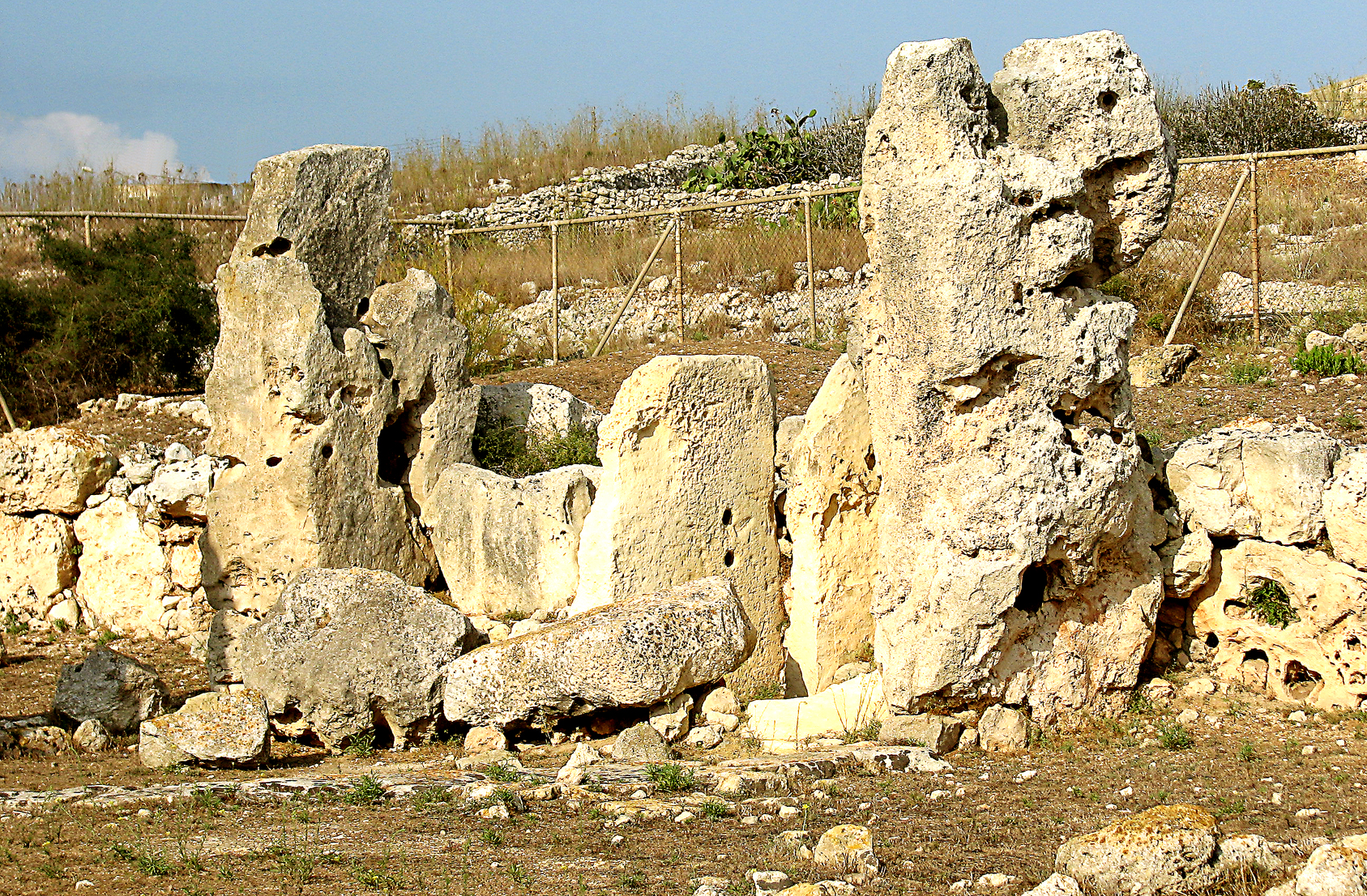
Skorba is an archaeological site that revealed some of the earliest evidence of human settlement in Malta. Excavations uncovered remains of village dwellings and early temple structures, along with pottery and tools that helped archaeologists define Malta’s prehistoric timeline.
Key highlights include:
- Foundations of early temple architecture, showing how later megalithic temples evolved
- Remains of prehistoric homes, hearths, and storage areas
- A small on‑site interpretation centre explaining daily life in prehistoric Malta
Although modest in size, Skorba is essential for anyone interested in Maltese history, archaeology, or ancient Mediterranean cultures.
Why Skorba Matters in Maltese Prehistory
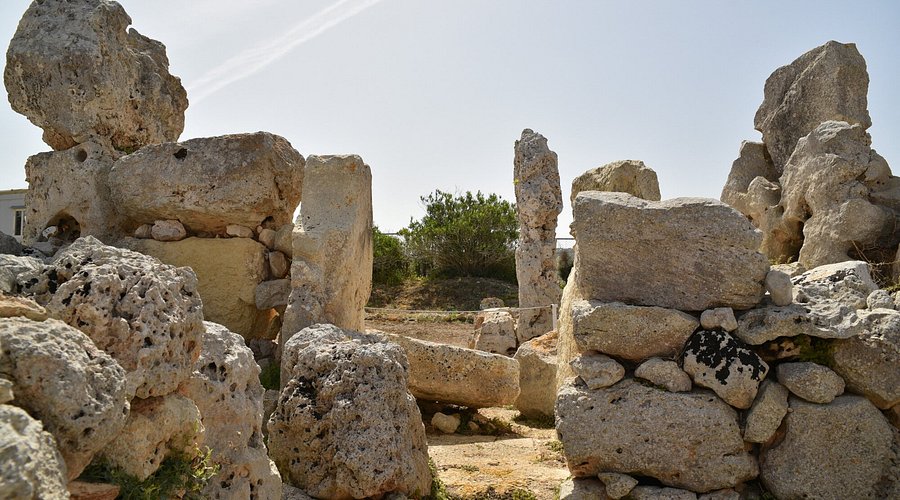
Skorba is especially important because it helped archaeologists establish the prehistoric timeline of Malta. Excavations carried out in the 1960s revealed clear layers of settlement, allowing experts to understand how life on the islands developed over thousands of years.
Findings at Skorba showed that:
- Malta was already inhabited during the early Neolithic period
- The earliest settlers lived in simple village structures before monumental temples were built
- Temple architecture evolved gradually, rather than appearing suddenly
Because of this, Skorba is often described as a key reference site for Maltese prehistory.
What You’ll See at Skorba
Although compact, the site offers valuable insight into everyday prehistoric life:
- Remains of early dwellings, including stone walls and hearths
- Temple foundations, showing early stages of megalithic construction
- Evidence of food storage and domestic activity, indicating a settled farming community
- A small interpretation centre, with displays explaining the site’s discoveries and significance
The site is open‑air and easy to explore, making it ideal for visitors who want a calm, educational experience away from crowds.
Skorba and Malta’s Landscape
Skorba’s inland location helps explain how Malta’s earliest inhabitants lived. These communities chose fertile land for farming, while still remaining close enough to the coast for fishing and travel. This balance between land and sea has always shaped Maltese life.
Today, visitors can experience that same contrast by combining a cultural visit to Skorba with time on the water in the north of the island.