
Table of Contents
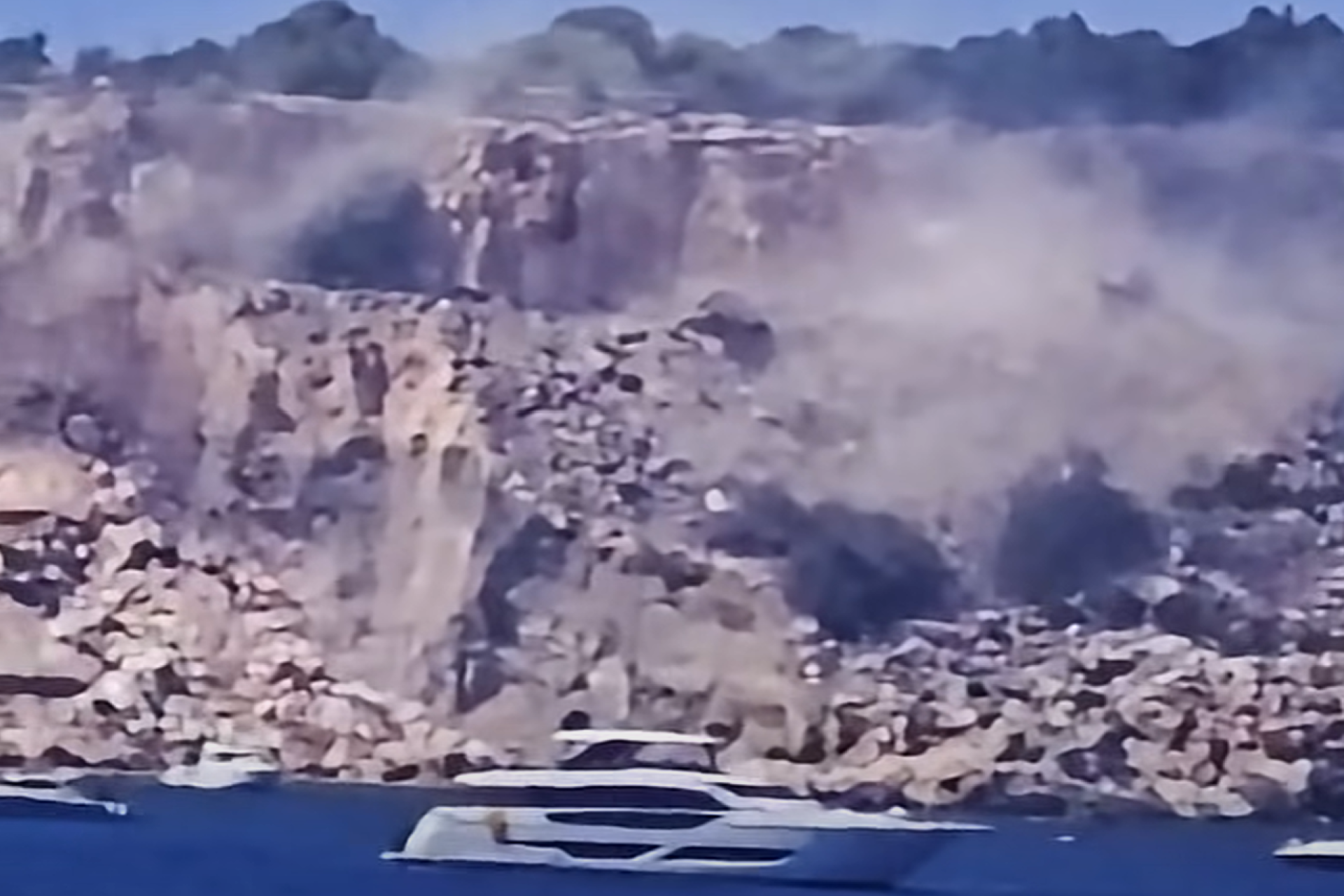
ToggleOn the morning of 20 August 2026, at around 7:30 a.m., part of the impressive cliff formations at Aħrax tal-Mellieħa collapsed, sending large volumes of rock and debris into the sea below. Thankfully, no injuries were reported, but the incident served as a stark reminder of the power of nature and the importance of respecting coastal environments.
Aħrax is one of Malta’s most beautiful natural areas, attracting walkers, photographers, campers, and nature lovers throughout the year. Its rugged cliffs and spectacular sea views make it a favourite destination, but the recent collapse highlights the risks that can exist in such landscapes.
A Landscape Shaped by Time
The cliffs of Aħrax have been formed over millions of years through natural geological processes. Layers of limestone have been exposed, fractured, and reshaped by the constant action of wind, rain, temperature changes, and the sea.
What appears solid and permanent can slowly weaken over time. Small cracks in the rock can expand as water seeps into them, while waves continuously erode the base of coastal cliffs. Eventually, some sections lose their stability and collapse without warning.
This is a completely natural process and is part of how coastlines evolve. While dramatic when it happens, rockfalls are an expected feature of many cliff environments around the world.
Why Do Rock Collapses Happen?
Several factors can contribute to a cliff collapse. Continuous sea erosion gradually weakens the rock from below, creating overhangs that can eventually give way. Rainwater can penetrate cracks and joints in the limestone, reducing the rock’s strength over time.
Temperature changes also play a role. The expansion and contraction of rock during hot and cool periods can widen existing fractures. Strong storms, heavy rainfall, and even natural vibrations can accelerate the process.
In the case of coastal cliffs such as those at Aħrax, these forces work together throughout the year, making some areas particularly vulnerable.
Safety Comes First
While enjoying Malta’s natural beauty, visitors should always remain cautious around cliff edges and unstable rock formations. A scenic viewpoint can quickly become dangerous if the ground beneath it is weakened.
It is important to stay on established paths, obey warning signs, and avoid climbing on rock formations that show signs of cracking or instability. Visitors should also avoid standing directly beneath cliffs where falling rocks may occur.
Parents should closely supervise children, while photographers and hikers should resist the temptation to approach unstable edges for a better view.
Nature can be unpredictable, and no photograph is worth risking personal safety.
Respecting Nature’s Power
The recent collapse at Aħrax reminds us that nature is both beautiful and powerful. The same natural forces that created the area’s breathtaking landscape continue to shape it today.
Rather than viewing such events with fear, they should inspire respect and awareness. Understanding how these environments work helps us appreciate them while remaining safe.