Table of Contents
ToggleMalta’s Forgotten Maritime Shield
Long before radar, coastguards, and modern naval defenses, Malta relied on a remarkably simple but highly effective security system: a massive iron chain stretched across the entrance of the Grand Harbour. Today, few visitors are aware that one of the Mediterranean’s most important harbours was once protected by this formidable barrier, designed to stop enemy vessels from entering Malta’s strategic waters.
A Harbour Worth Protecting
The Grand Harbour has been Malta’s greatest natural asset for thousands of years. Its deep waters and sheltered inlets made it an ideal base for traders, naval fleets, and military forces. From the Phoenicians and Romans to the Knights of St John and later the British Empire, whoever controlled the Grand Harbour controlled one of the Mediterranean’s most valuable maritime locations.
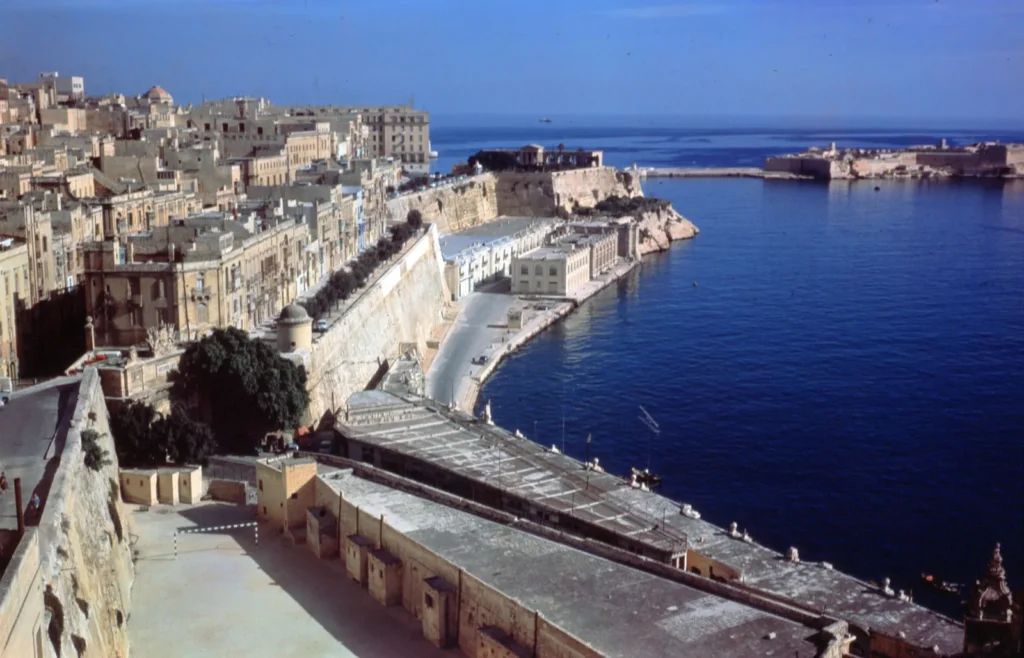
Because of its strategic importance, the harbour became one of the most heavily fortified places in Europe. Fort St Elmo guarded the northern side of the entrance, while Fort Ricasoli protected the southern side. Together with other surrounding fortifications, these strongholds were designed to repel invasion.
The Great Chain Across the Harbour
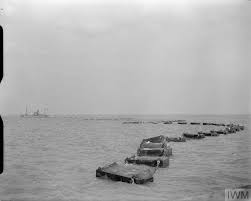
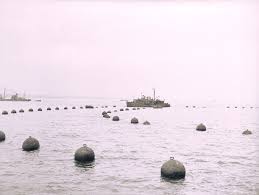
Among these defenses was a heavy iron chain stretched across the mouth of the Grand Harbour. The chain ran between Fort St Elmo and Fort Ricasoli, creating a physical barrier that could prevent hostile ships from entering the harbour.
This was not a unique idea. Many important medieval and early modern ports throughout Europe used similar chain barriers. However, in Malta’s case, the chain protected a harbour that served as the headquarters of the Knights of St John and later as a major British naval base.
The chain could be raised or secured across the entrance during times of danger and opened when friendly vessels needed access. Any enemy ship attempting to force its way through risked severe damage to its hull or becoming trapped under the guns of the surrounding forts.
Why Was the Chain Needed?
The purpose of the chain was simple: to keep enemy ships out of the harbour.
During the medieval and early modern periods, naval warfare depended heavily on controlling ports and harbours. If enemy vessels gained entry to a harbour, they could attack docked ships, disrupt trade, or launch an invasion. The chain provided an additional layer of protection and made surprise attacks far more difficult.
For the Knights of St John, who established Malta as their headquarters in the 16th century, protecting the Grand Harbour was a matter of survival. The island regularly faced threats from rival powers and Ottoman fleets. Every defensive measure, including the harbour chain, contributed to Malta’s reputation as a fortress island.
A Symbol of Malta’s Defensive Engineering
The chain was more than a simple obstacle. It represented an intelligent defensive strategy that combined engineering, geography, and military planning. By controlling access to the harbour, Malta’s defenders gained a significant advantage over potential attackers.
This system demonstrated how the island’s rulers maximised the natural strengths of the Grand Harbour while enhancing them with man-made fortifications. Together, these defences transformed the harbour into one of the safest naval anchorages in the region.
The End of an Era
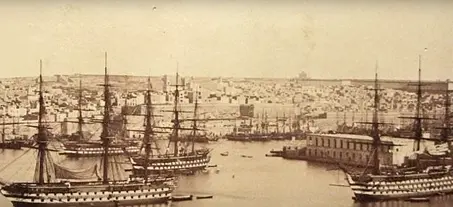
As technology advanced, the use of harbour chains gradually declined. Larger and more powerful ships, improved artillery, and new naval tactics made such barriers less effective. During the British period, attention shifted towards modern coastal defences and large-scale maritime infrastructure, including the construction of the harbour breakwater.
Eventually, the chain disappeared from use, becoming a forgotten chapter in Malta’s maritime history.