
Table of Contents
ToggleVictorian Baths in Malta: Hidden Echoes of Health, Leisure, and Colonial Elegance
Malta’s rich history is often associated with ancient temples, medieval cities, and baroque architecture, but tucked quietly within its urban landscape lies a lesser-known chapter of its past, the Victorian baths. These public bathhouses, introduced during British colonial rule in the 19th century, offer a fascinating glimpse into changing social habits, hygiene practices, and architectural styles of the time.
What Are Victorian Baths?
Victorian baths were public bathing facilities built during the Victorian era (1837–1901), a period marked by industrial progress and growing awareness of public health. In Britain and its territories, including Malta, these bathhouses were constructed to provide clean bathing facilities for people who did not have access to private bathrooms—particularly the working classes.
But they were more than functional spaces. Victorian baths often reflected the elegance and discipline of the era, combining practical design with ornamental architectural features. Many included separate sections for men and women, plunge pools, washing areas, and even spaces for socializing. In Malta, these baths also adapted to the Mediterranean climate and coastal geography, sometimes making use of natural seawater.
Where Can You See Victorian Baths in Malta?
While not as widely recognized as other historic sites, several locations across Malta still preserve remnants or full examples of Victorian bathing culture:
1. Sliema’s Roman (Victorian-era) Baths
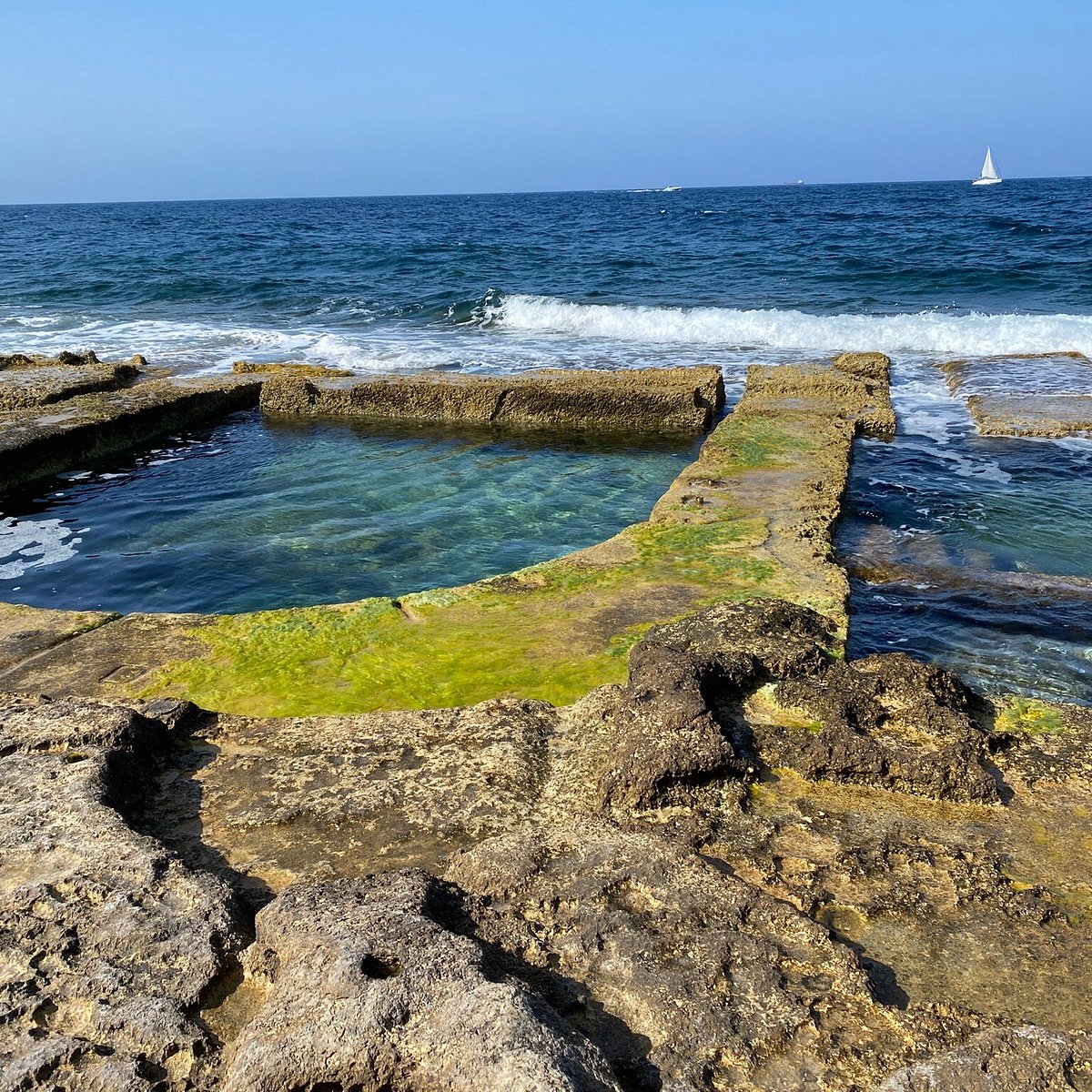
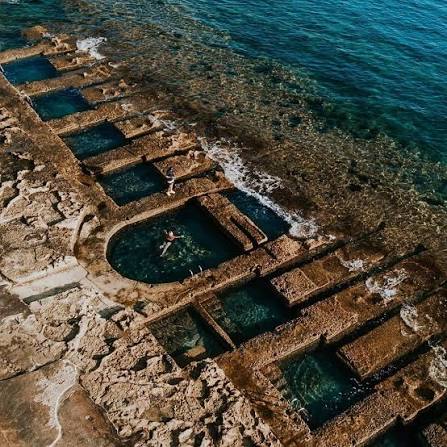
One of the most well-known examples is found along the Sliema promenade. Often referred to as the “Roman Baths,” these are actually Victorian saltwater bathing pools carved into the rocky coastline. Built during British rule, they provided safe and structured access to the sea for bathing.
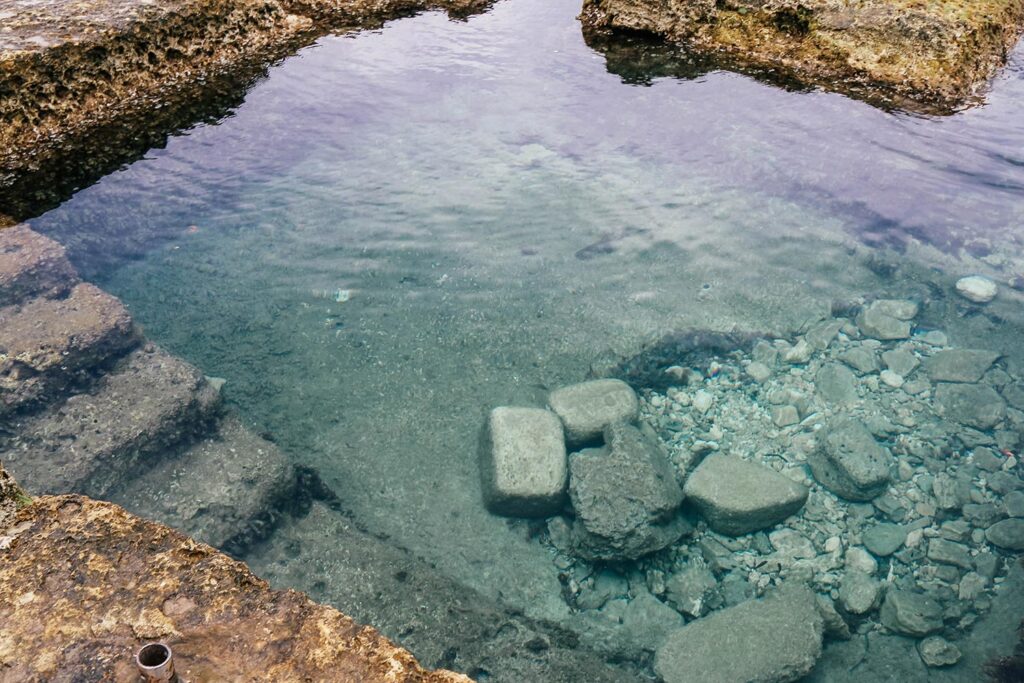
Today, these baths are still in use by locals and visitors alike, particularly during the summer months. You can spot their distinctive rectangular shapes cut into the rock, complete with steps leading down into the sea. They remain a living piece of history—functional, scenic, and steeped in heritage.
2. St. Julian’s and Balluta Bay
Similar coastal bathing facilities can be found in nearby St. Julian’s and Balluta Bay. These areas also feature rock-cut bathing pools, which echo Victorian design principles. While modernized over time, they still retain their historical charm and continue to offer a glimpse into 19th-century leisure culture.
3. Marsaskala and Other Coastal Areas
Further south, in Marsaskala, you can find additional examples of old bathing spots developed or influenced during the British period. Though less formalized than those in Sliema, they reflect the same idea—creating accessible, communal bathing areas along Malta’s rugged coastline.
Why Are They Important?
Victorian baths in Malta are important for several reasons. Socially, they represent a shift in attitudes toward cleanliness and public health, which became increasingly significant during the 19th century. They also illustrate how British colonial influence shaped local infrastructure and daily life.
Architecturally, these sites blend practicality with subtle elegance. Even the simplest rock-cut baths show careful planning and craftsmanship. They demonstrate how natural landscapes were adapted for public use without extensive construction, preserving the beauty of the coastline.
Culturally, they continue to play a role in Maltese life today. Unlike many historical sites that are purely observational, these baths remain interactive spaces. Locals still gather there to swim, relax, and socialize—just as people did over a century ago.
Visiting Tips
If you plan to visit Malta’s Victorian baths, the best time is during the warmer months, from late spring to early autumn. Early morning or late afternoon offers a quieter experience and beautiful lighting for photography. Bring appropriate footwear, as the rocks can be slippery, and always exercise caution when entering the water.