
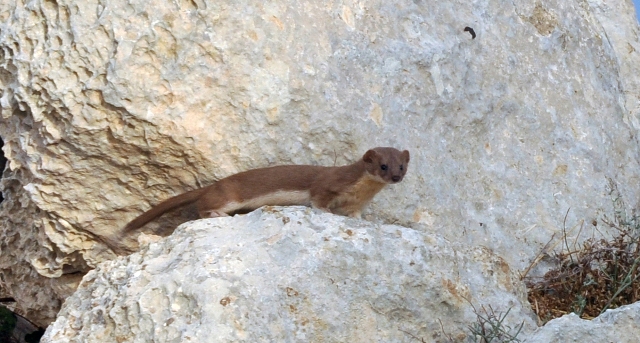
Il-Ballottra
Hidden among Malta’s countryside walls, valleys, and fields lives one of the islands’ most elusive native animals: the ballottra, also known as the Maltese weasel. Small, agile, and rarely seen, the ballottra has fascinated generations of Maltese people and remains an important part of the islands’ natural heritage.
Although many Maltese remember it from the old one-cent coin of the Maltese lira, few have ever seen one in the wild. Its secretive nature and declining habitat have made encounters increasingly rare, adding to the animal’s almost legendary status.
Malta’s Only Native Land Carnivore
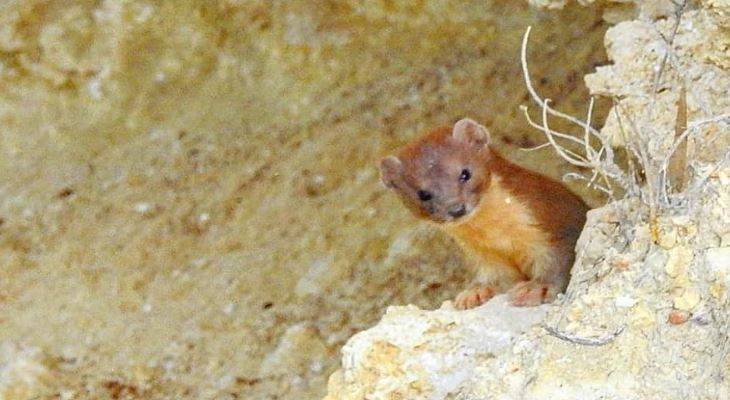
The ballottra (Mustela nivalis), or weasel, is a remarkable creature. It is the only native land carnivore found in Malta and is considered the world’s smallest carnivorous mammal. Despite its tiny size, it is a highly effective hunter.
Its diet consists mainly of mice, rats, rabbits, lizards, geckos, snakes, and occasionally bird eggs and chicks. Equipped with excellent senses of smell, hearing, and sight, the ballottra hunts both during the day and at night.
Its slender body allows it to squeeze through narrow cracks and gaps while pursuing prey. This flexibility gave rise to old Maltese folklore that the ballottra could pass through spaces so small that it supposedly had no bones. While this belief is not true, it highlights the fascination that people once had with the animal.
The Animal on the One-Cent Coin
Perhaps the ballottra’s most famous appearance was on Malta’s one-cent coin before the introduction of the euro.
For many Maltese people, this coin provided their first introduction to the animal. Children grew up seeing its image almost every day, making the ballottra one of the country’s most recognisable native species.
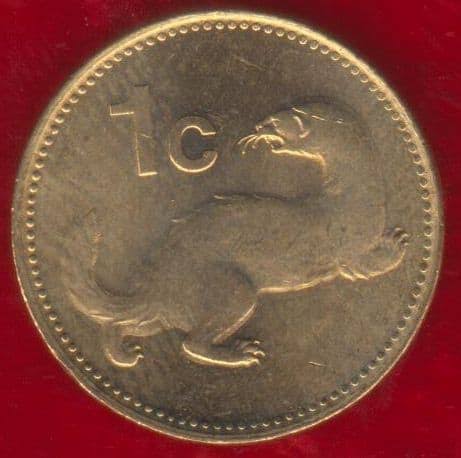
The decision to place the animal on the coin reflected its importance as a symbol of Malta’s natural environment. Long before environmental awareness became widespread, the ballottra had already earned its place as an unofficial ambassador of Maltese wildlife.
Even today, many people who have never seen a living ballottra can immediately identify it because of its appearance on the former national currency.
Threats and Conservation
Today, sightings of the ballottra have become increasingly rare. Urban development, habitat fragmentation, road networks, and changes in agricultural practices have reduced the natural environments where the species thrives.
The ballottra prefers countryside habitats such as dry stone walls, terraced landscapes, valleys, scrubland, and agricultural areas where prey is plentiful. As these habitats face pressure, the animal finds it increasingly difficult to move safely between territories.
Fortunately, the ballottra is protected by law and conservation efforts continue to raise awareness about its importance. Researchers and nature enthusiasts regularly record sightings to better understand the species and help safeguard its future.
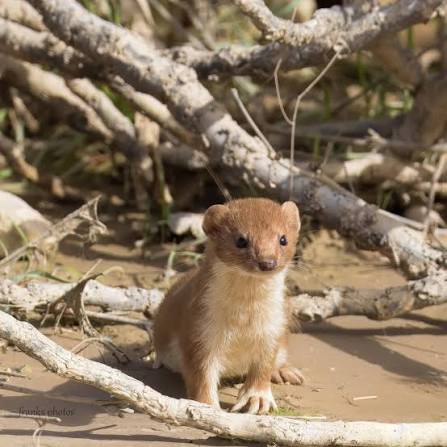
The ballottra may be small, but its place in Maltese heritage is significant. From rural folklore and countryside traditions to its famous appearance on the one-cent coin, this elusive weasel has become an enduring symbol of Malta’s natural world.
As development continues to transform the islands, preserving habitats for species such as the ballottra becomes increasingly important. Protecting this tiny predator is about more than conserving a single animal. It is about safeguarding a unique part of Malta’s environmental and cultural identity for generations to come.