
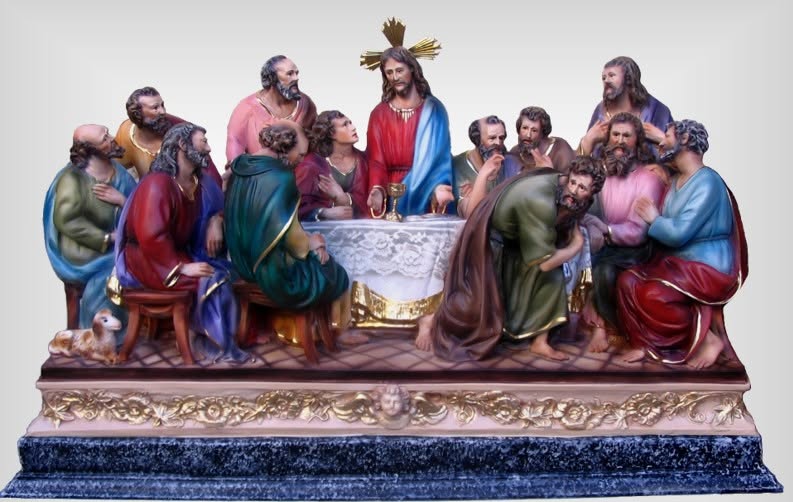
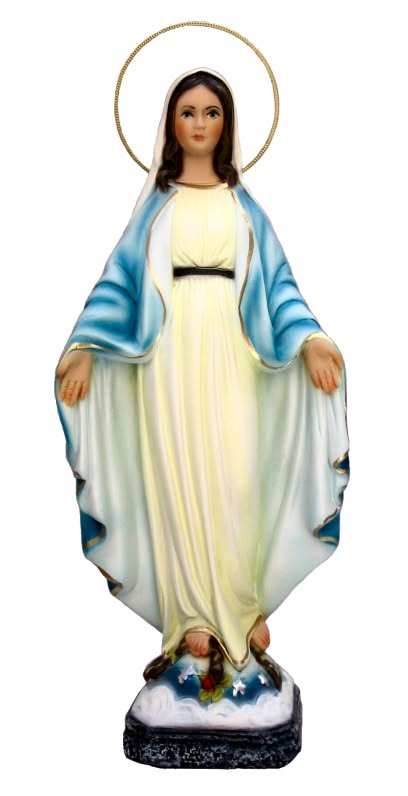
Few traditions capture the heart of Maltese faith and craftsmanship as beautifully as the creation of religious mini statues, known locally as santini. These intricate works of art have long been a feature of Maltese homes, chapels, and private collections, serving as expressions of devotion and preserving the island’s rich religious heritage.
Among the names most closely associated with this tradition is Santini of Żabbar, a family workshop that has become synonymous with the creation and restoration of religious artefacts.
From Figurines to Religious Art
The story of Santini is deeply personal. According to Louis Brincat, the business was founded by his family and named after an Italian sculptor called Santini, with whom his father worked many years ago.
As Louis recalls:
“My family started this business. My father used to work with an Italian sculptor, Santini, and he named the business after him.”
In their early years, Louis and his brother Joe were best known for producing figurines and decorative pieces, earning them the nickname “Santini tal-figorini.” However, as tastes and demand evolved, they adapted their craft and increasingly focused on religious subjects.
“My brother Joe and I are known as ‘Santini tal-figorini’ because we used to make figurines. Then, we adapted to the changing demands and started specializing in religious artefacts.”
This ability to evolve while remaining faithful to traditional craftsmanship helped establish Santini as one of Malta’s most respected names in the field.
A Craft Learned from Childhood
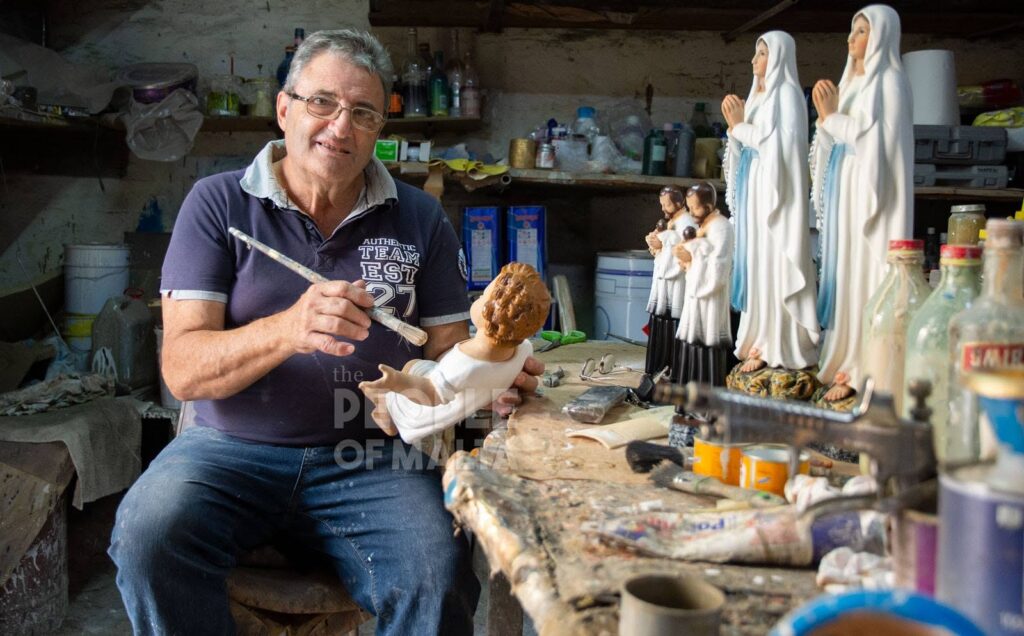
For Louis Brincat, the workshop was more than a workplace. It was a second home.
He began learning the trade from a very young age, spending afternoons in the workshop after school and gradually absorbing the skills that would shape his future.
“I started coming here when I was only a young boy. I remember coming here right after school, to work.”
This hands-on apprenticeship reflects the traditional way many Maltese crafts were passed down through generations. Skills were not learned from books but through observation, patience, and years of practice alongside experienced craftsmen.
The Art Behind the Statues
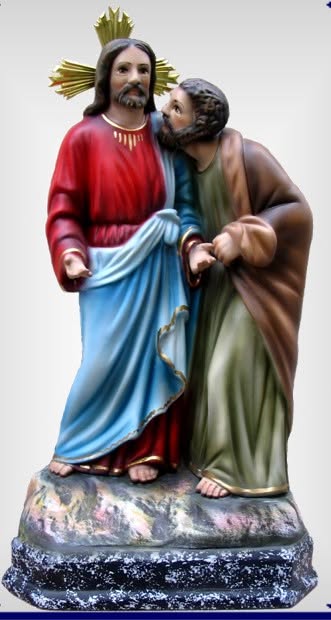
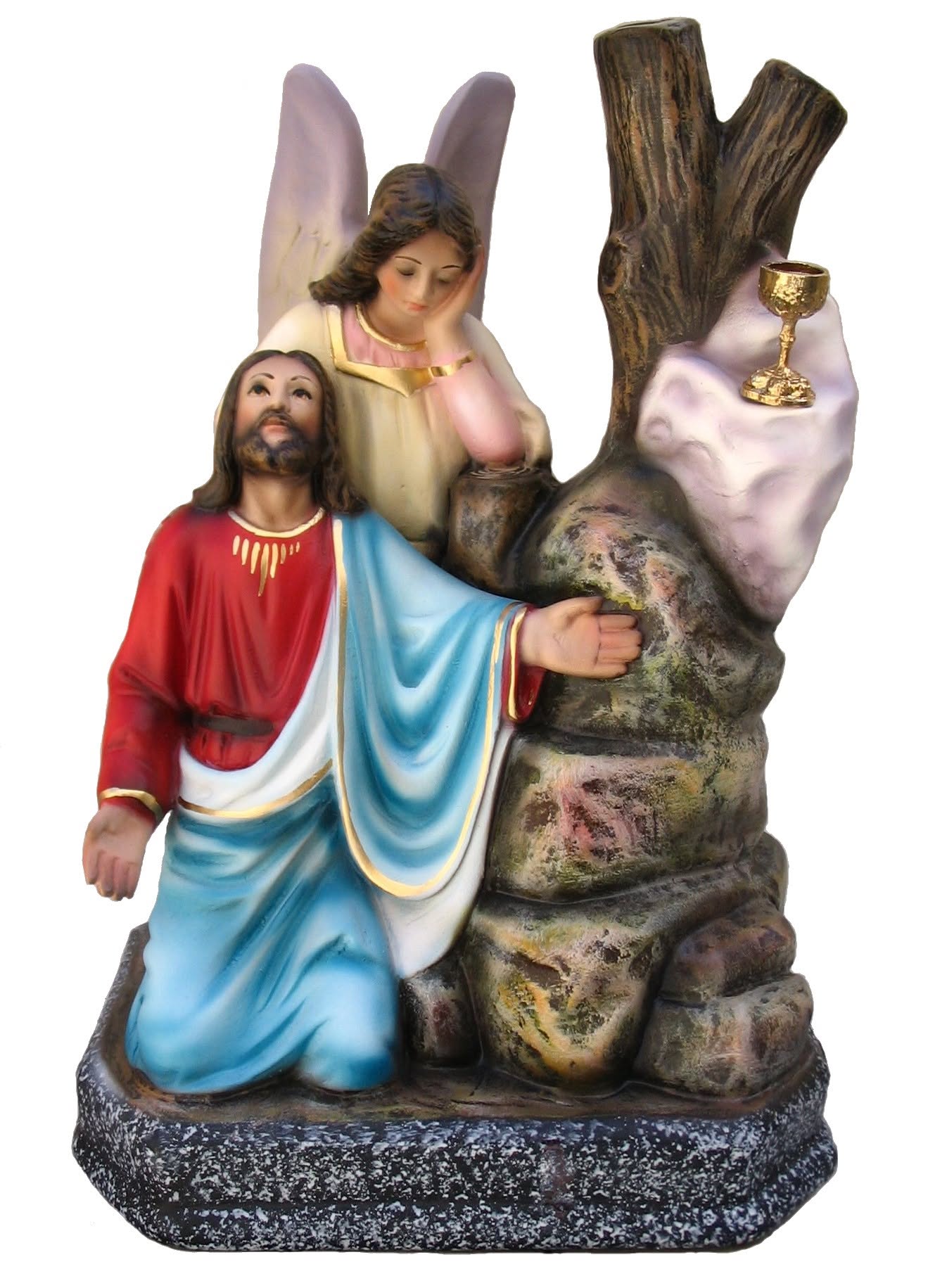
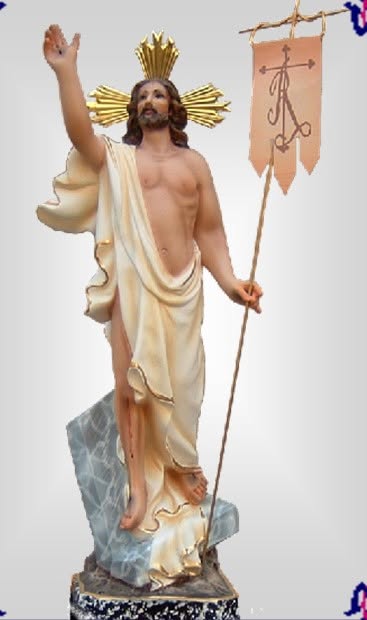
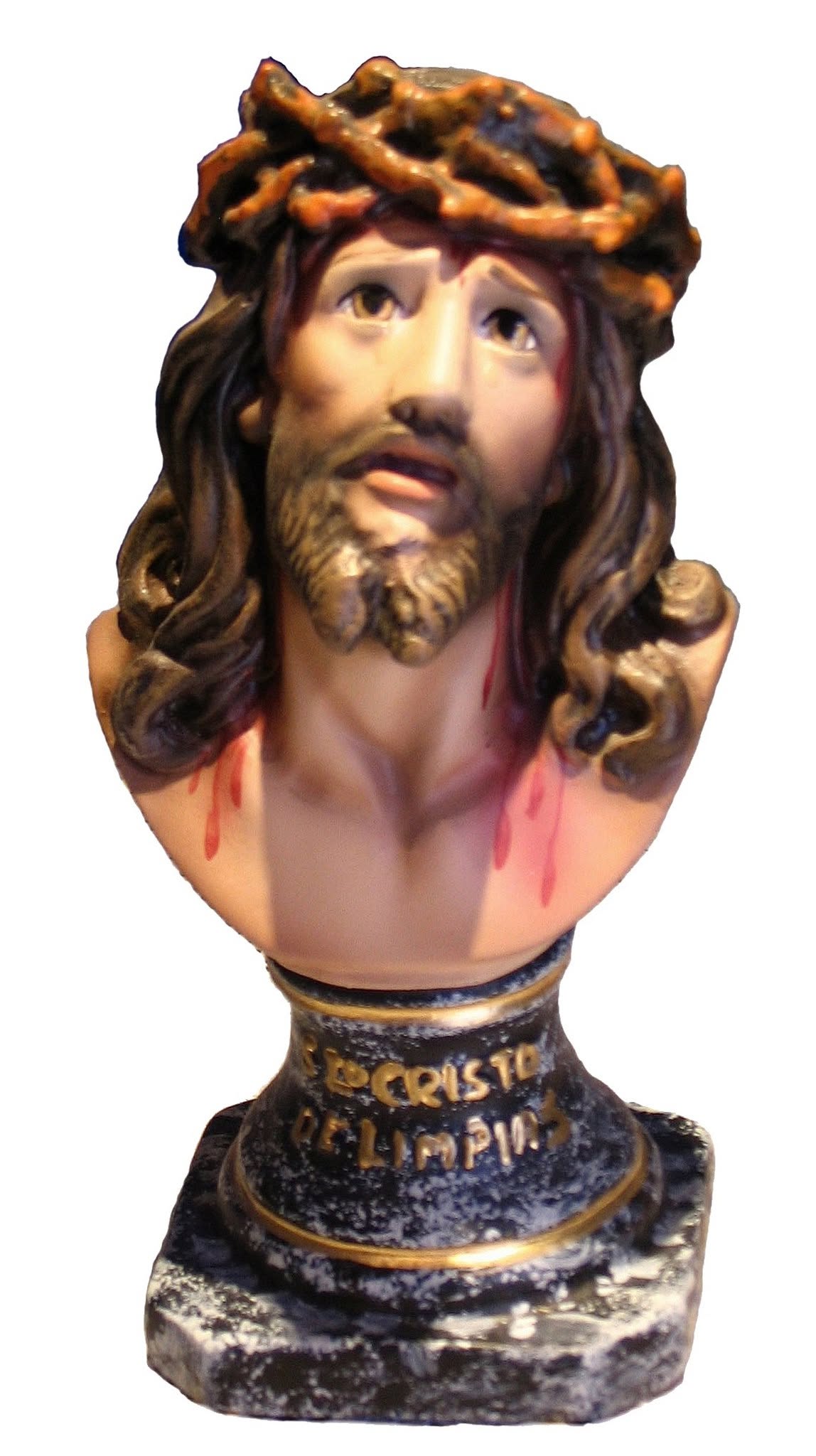
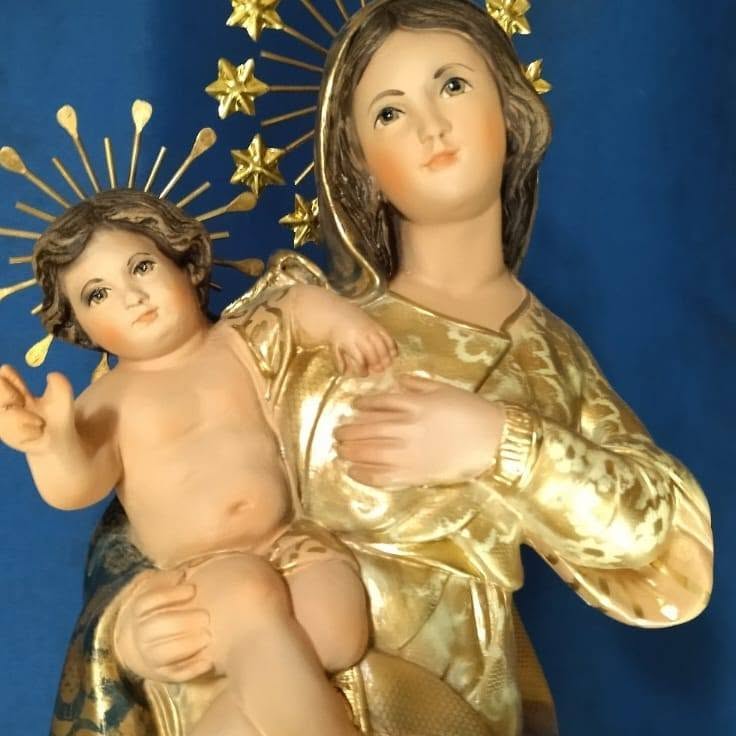
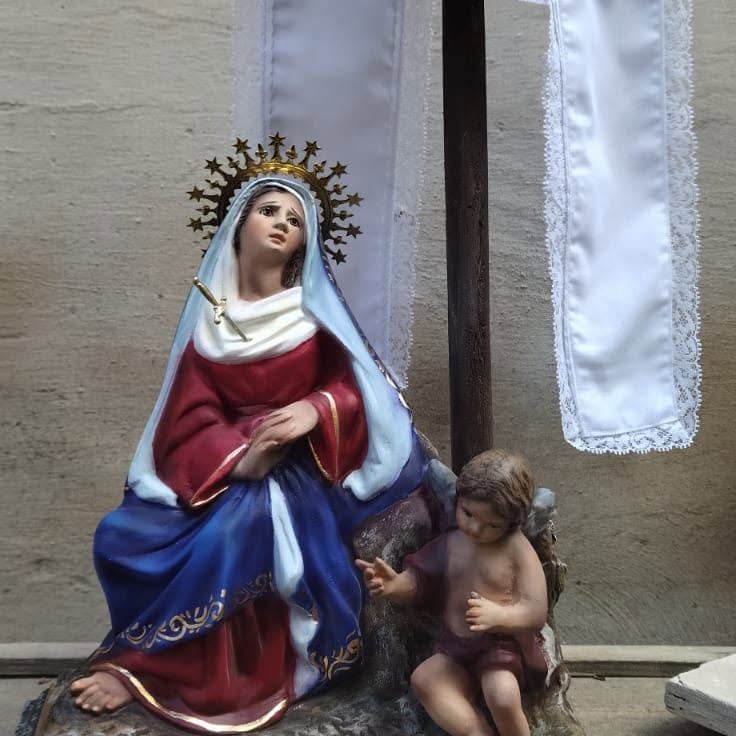
Producing religious miniatures requires remarkable attention to detail. Every piece must capture the character and symbolism of the saint or religious figure being represented.
Louis is particularly known for using a Spanish technique in the creation of bambini, or baby Jesus figurines, though the workshop’s expertise extends far beyond this speciality.
“I use a Spanish method to make baby Jesus figurines, even though we make other artefacts such as statues.”
The workshop has produced a wide variety of religious pieces over the years, from miniature saints displayed in family homes to larger devotional statues admired by collectors and feast enthusiasts.
The Importance of Restoration
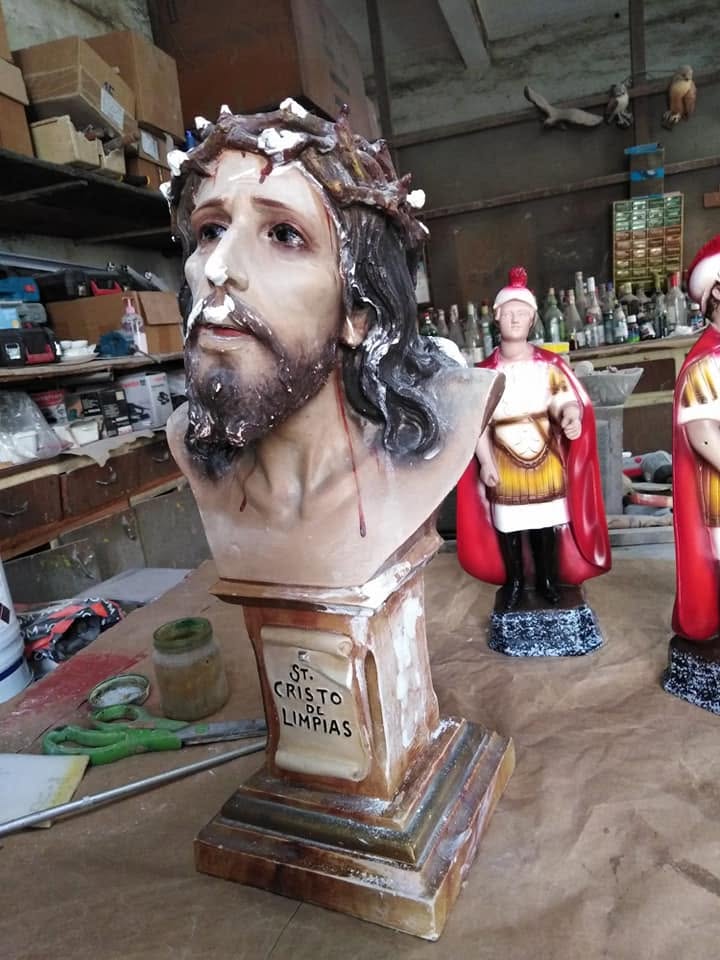
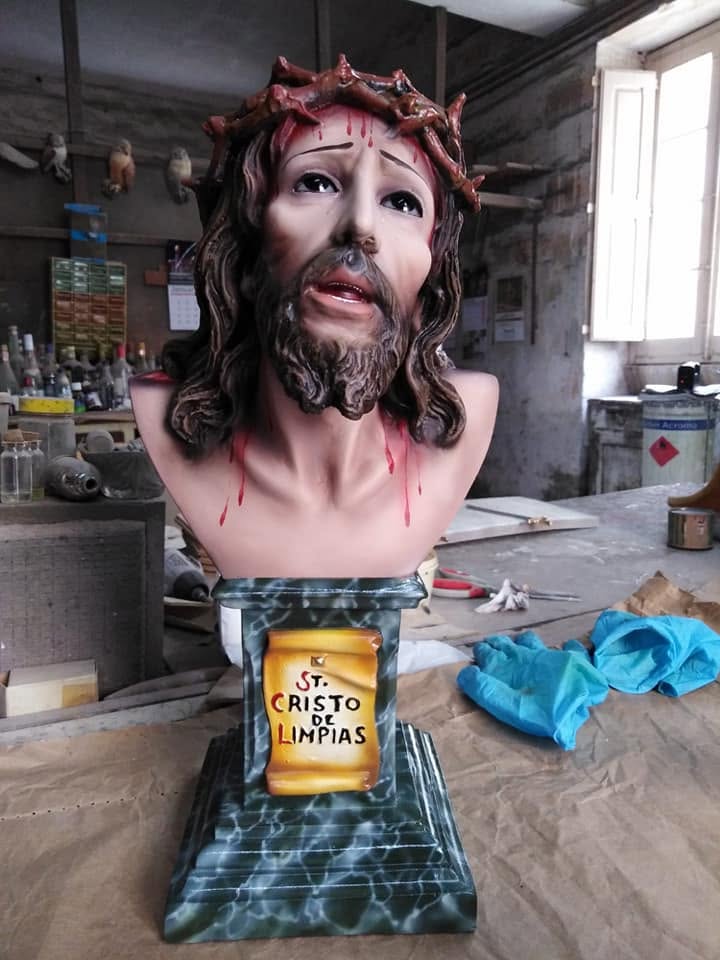
Creating new statues is only part of Santini’s contribution to Malta’s religious heritage. Restoration has become equally important.
Many cherished religious statues suffer damage through age, humidity, wear, and accidental handling. Skilled restoration helps preserve these treasured pieces while respecting their original appearance.
The restoration process often involves repairing cracks, reconstructing damaged features, repainting faded surfaces, restoring gilding, and ensuring the artwork’s structural stability. These careful interventions breathe new life into statues that may have been passed down through generations.
For many families, such pieces have both religious and sentimental value, making restoration an essential service in preserving their legacy.
Preserving a Vanishing Tradition
Despite the respect the craft continues to command, Louis openly acknowledges the challenges facing traditional artisans today.
“True, this work is no longer worth it but we keep doing it because many people still appreciate our work.”
Perhaps his most poignant reflection concerns the future of the trade.
“Who will be here once we’re gone? No one. Nothing. It saddens me, but there’s nothing I can do.”
Like many traditional crafts, religious statue making faces an uncertain future as fewer young people choose to pursue such specialised skills.