
Table of Contents
ToggleDiscovering Imnajdra: A Journey into Malta’s Ancient Past
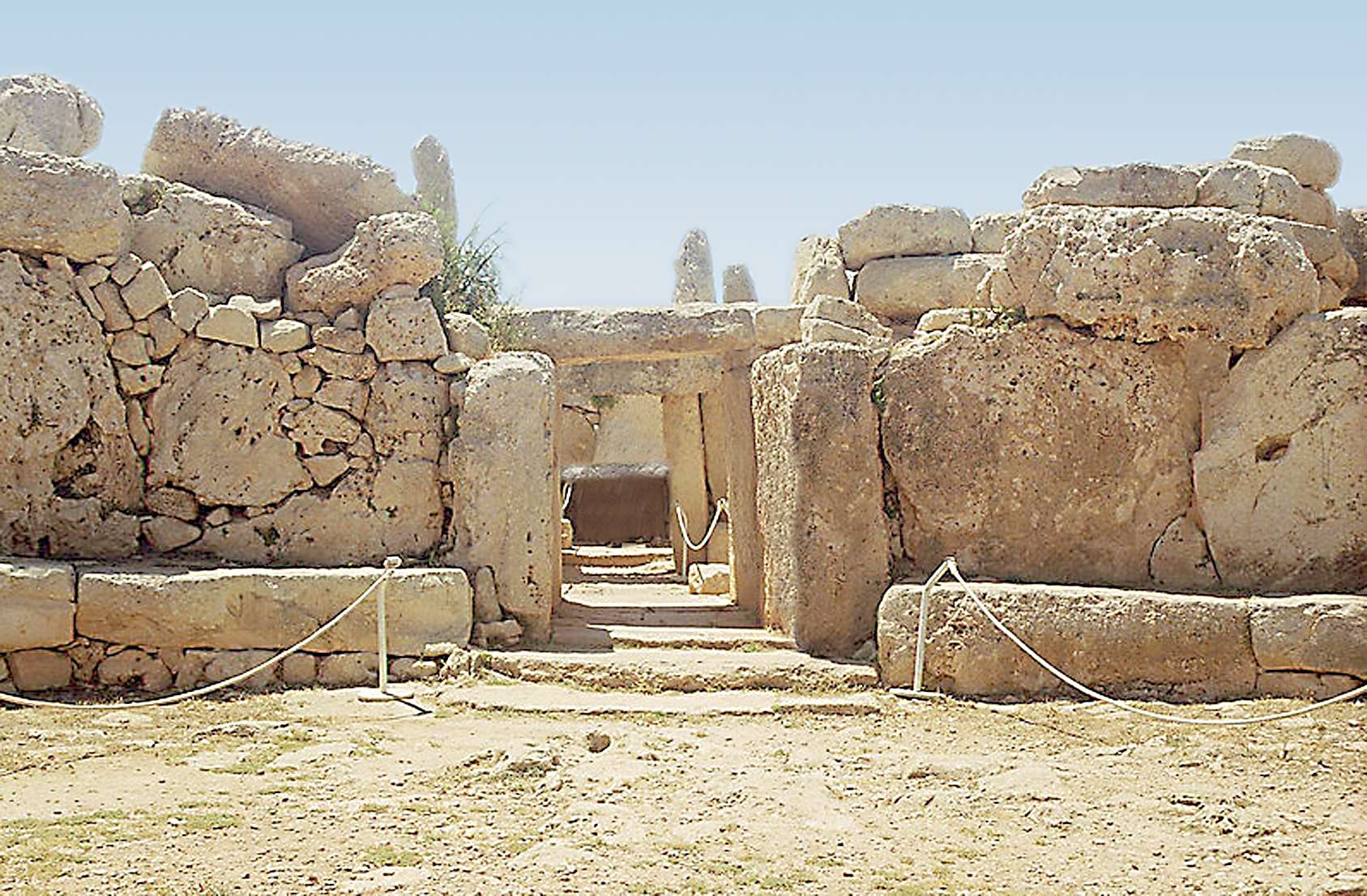
Imnajdra, more commonly spelled Mnajdra, is one of the most compelling prehistoric temple complexes on the island of Malta. Perched on a rocky terrace overlooking the Mediterranean, just a few hundred metres from its sister site Ħaġar Qim, Mnajdra dates back to around 3600–2500 BC, making it among the oldest free‑standing structures in the world.
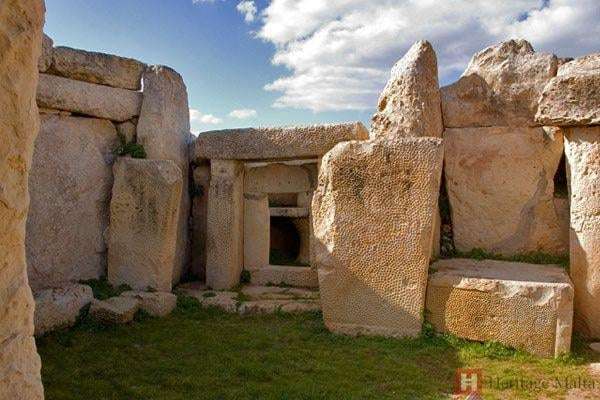
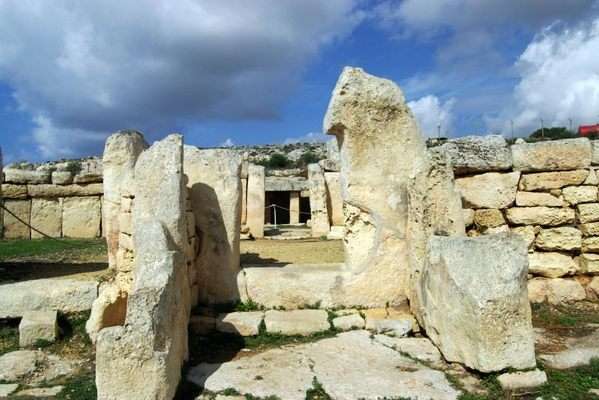
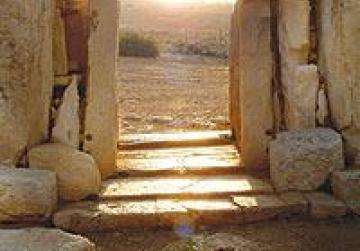
The site is structured in three distinct temple units, circular and apsidal chambers that reflect the remarkable architectural and spiritual sophistication of Malta’s Neolithic communities. Among the most striking features is the careful alignment of parts of the temple so that on equinoxes and solstices, sunlight passes through doorways or touches key stones in precise ways.
Visiting Mnajdra gives you not just a glimpse into Malta’s remote past but an experience of how ancient peoples engaged with astronomy, ritual, and the cycles of light. The isolation of the site, with cliffs and sea nearby, intensifies the sense that you are stepping back into a time when people walked in closer tune with natural rhythms.
Because of exposure to weather, the site is now sheltered under a protective canopy structure to preserve the stones from erosion and rain damage.
What the Weather Is Like in Early November
In early November, the Maltese islands, including the area around Mnajdra, tend to enjoy mild, pleasant weather. The average daytime temperature hovers around 20 to 23 degrees Celsius, with cooler mornings and evenings around 18 to 20 degrees Celsius — comfortable for walking and exploring without the intensity of summer heat.
This part of the year falls into Malta’s wetter season, though rain is usually intermittent and short-lived rather than continuous. Expect generally mild humidity, occasional coastal breezes, and the possibility that cloud cover or light showers may affect visibility or your outdoor plans.
Daylight hours are shorter in November, so plan your visits earlier in the day to make the most of natural light, especially if you want to observe any solar alignments at the temple. The ocean’s proximity also means that winds may chill you, especially near cliffs or exposed edges.
Because of potential rain, the protective roof over Mnajdra is a welcome feature — in case of showers, the canopy may shield parts of the structure and make visiting more comfortable. Still, a light rain jacket or umbrella is a wise packing choice, along with waterproof footwear in case paths become slippery.
Travel Tips: Making the Most of Your Visit
Timing and Lighting
To capture the atmospheric beauty of Mnajdra, timed visits near sunrise or late afternoon often yield soft light and fewer crowds. Equinox and solstice moments are spectacular here if your travel dates align. Because November’s daylight is shorter, start your exploration earlier to avoid being rushed.
Dress Pragmatically
Layered clothing works best. A short-sleeve shirt under a light sweater or fleece, plus a windbreaker or waterproof shell, gives you flexibility. Good walking shoes with grip are essential, especially if stone paths are damp. Sunglasses, a hat, and sunscreen are still advisable — even on overcast days, UV rays can be strong.
Access and Nearby Sites
Mnajdra lies just a short walk from Ħaġar Qim, so you can often combine both in a single outing. The walking path between the temples is relatively easy, but note you may traverse uneven stone surfaces or gentle slopes. The site has an interpretation centre that offers context and artifact displays, which helps bring the ruins to life.
Public transport and rental car options in Malta can get you to Qrendi, from which local signage and pathways lead toward the temples. Be sure to check opening hours, which may shrink in the off-season — arrive early to ensure you don’t miss access. The interpretation centre often closes earlier in late afternoon.
What to Bring
A compact daypack
Water — even in cooler weather, walking under sun or wind can dehydrate you
A rain jacket or umbrella
Camera or phone with good battery and enough storage
A field notebook or sketchbook — the geometry and alignment of stones often inspire reflection
Flashlight or extra light source for early or late visits
Health Considerations
The site is exposed, so if you’re light-sensitive or prone to wind chill, sunglasses and a light scarf can help. If rainfall is present, stones can become slick; walking poles can offer extra stability if needed.
Why Visit Mnajdra in November
Many travellers see autumn in Malta as low season, but that brings advantages: fewer crowds, cooler conditions for walking, and a calmer, more contemplative atmosphere. The light in late autumn is gentle and diffused, making it ideal for photographing stone textures and the interplay of shadow and relief. Misty mornings or passing showers can add drama and mood.
Because Mnajdra is so ancient and tied to celestial rhythms, visiting in a season when the skies are less harsh may offer a more intimate experience. The contrast between ancient stone and shifting sky can feel emotionally rich. Combine your visit with southern Malta’s rugged coastline, local villages, or nearby megalithic sites to turn the journey into a full day of exploration.
Visiting Imnajdra in early November gives you a rare chance to balance comfort and authenticity. Mild weather, manageable crowds, and soft lighting combine to make it a rewarding time to experience one of Malta’s oldest and most magical places.