
Table of Contents
ToggleMaltese Crafts: The Timeless Beauty of Bizzilla Lace and Combini
Malta’s rich cultural heritage is woven together through centuries of tradition, and nowhere is this more evident than in its handcrafted arts. Among the island’s most celebrated cultural treasures are bizzilla — the intricate Maltese lace — and combini, traditional lace accessories that showcase both artistry and identity. These crafts are far more than decorative objects; they are expressions of Maltese history, skill, and community passed down through generations.

The Origins of Maltese Bizzilla Lace
Maltese lace, or bizzilla, holds a unique place among European lace-making traditions. Its roots can be traced back to the 17th century, though it experienced a notable revival in the 19th century during British rule. Inspired partly by Italian lace-making techniques, Maltese artisans developed a distinctive style known for its bold patterns, sturdy silk threads, and often prominent use of the Maltese cross motif.
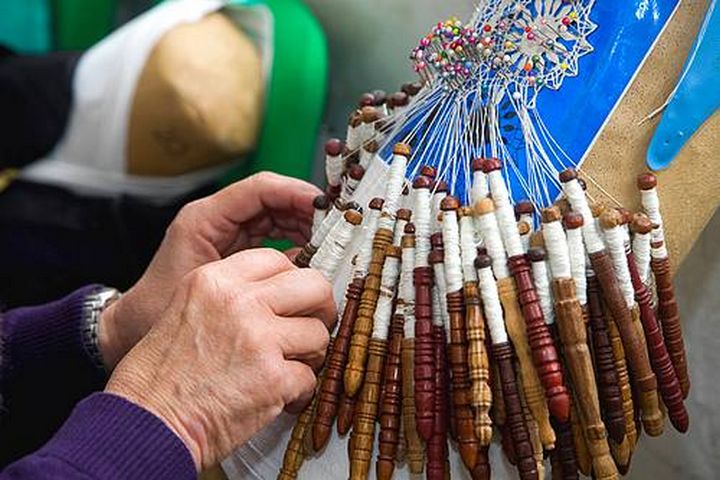
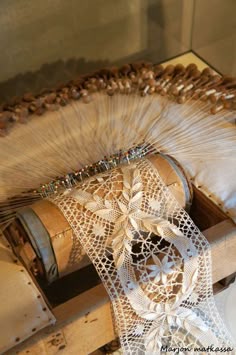
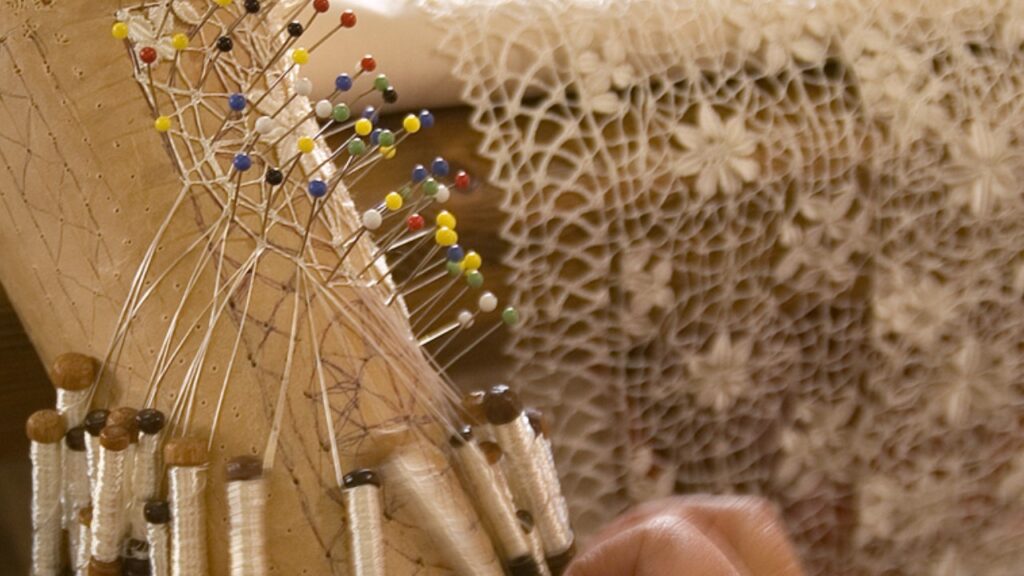
Traditionally, bizzilla is handmade using the bobbin lace technique. This involves weaving multiple threads wound on bobbins over a pillow, following a pinned pattern. The process is slow, deliberate, and requires exceptional precision. A single piece can take days or even weeks to complete, depending on its complexity.
Historically, lace-making was not only an art form but also an essential source of income, especially for women in rural communities. Villages such as Għarb and Nadur in Gozo became centers of lace production, with skills taught from mothers to daughters in a continuous cultural lineage.
The Meaning Behind the Craft
What makes Maltese bizzilla unique is not just its technique but its symbolism. Traditional patterns often incorporate religious and cultural motifs — crosses, flowers, vines, and geometric forms. These designs were not random; they reflected faith, identity, and a sense of belonging.
The use of silk and fine cotton threads elevated the craft, making it highly sought after across Europe. By the late 1800s, Maltese lace had gained international recognition and was exported widely, admired for its durability and bold design compared to the more delicate laces of France or Belgium.
Even today, owning a piece of handcrafted bizzilla is considered possessing a piece of Maltese heritage.
Combini: Small Pieces with Big Cultural Value
Closely linked to lace-making are combini, traditional Maltese lace accessories and embellishments. The word “combini” loosely refers to decorative lace elements often used as adornments for clothing, household linens, or ceremonial items.
Historically, combini were commonly seen on altar cloths, handkerchiefs, scarves, and even traditional dresses. They added elegance and individuality to otherwise simple fabrics. In some cases, they served as status symbols, reflecting the skill of the maker and the wealth of the owner.
Each combini piece is meticulously crafted, often incorporating miniature lace motifs arranged in repeated patterns. Their charm lies in their detail — tiny loops, tight stitches, and symmetrical forms that highlight the artisan’s expertise.
Today, combini continue to be used both traditionally and in contemporary design. Modern artisans incorporate them into fashion accessories such as earrings, brooches, and bridal wear, blending heritage with modern aesthetics.
Craftsmanship in a Modern World
In an era dominated by mass production, Maltese bizzilla and combini stand out as symbols of authenticity and slow craftsmanship. However, like many traditional crafts, they face challenges.
Fewer young people are learning the art, and the time-intensive nature of the work makes it less commercially viable compared to factory-made alternatives. Despite this, dedicated artisans and cultural organizations are actively preserving the craft through workshops, exhibitions, and educational programs.
Tourists visiting Malta and Gozo can often witness lace-making demonstrations in local villages, providing a glimpse into the patience and skill required. Buying handcrafted lace directly from artisans helps sustain this tradition and ensures that the craft continues to thrive.
The Role of Bizzilla in Maltese Identity
Beyond its beauty, bizzilla represents resilience and continuity. It tells the story of a small island nation that has absorbed influences from various cultures while maintaining its distinct identity.
For many Maltese families, lace pieces are treasured heirlooms passed down through generations. They carry emotional significance — reminders of grandmothers who spent hours carefully weaving patterns, or of weddings and religious celebrations where lace played a central role.
In recent years, there has also been a renewed appreciation for local crafts, driven by a global movement toward sustainability and handmade products. Maltese designers are increasingly incorporating bizzilla and combini into modern fashion, ensuring the craft evolves rather than fades away.
A Living Tradition
Maltese bizzilla and combini are more than artifacts of the past — they are living traditions that continue to adapt and inspire. Whether displayed as decorative art, worn as fashion, or preserved as family keepsakes, they embody the spirit of Maltese craftsmanship.
For those exploring Malta’s cultural landscape, these lace creations offer a meaningful connection to the island’s history. Each thread tells a story of patience, creativity, and cultural pride — a testament to the enduring beauty of handmade art.