
Table of Contents
ToggleThe Origins of Għana in Malta
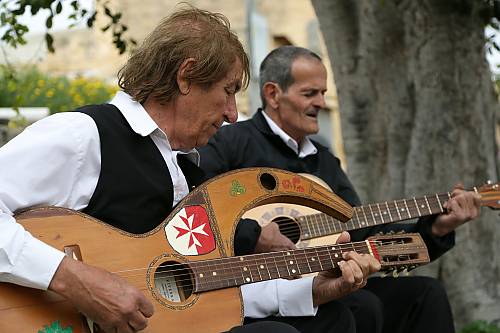
Għana is more than just music — it is a conversation, a contest, and a reflection of Maltese life. Its roots stretch back hundreds of years, influenced by Mediterranean oral traditions and shaped by Malta’s own social history.
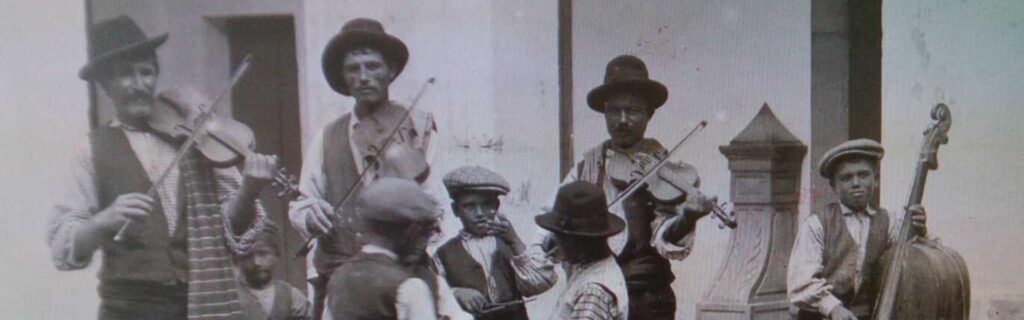
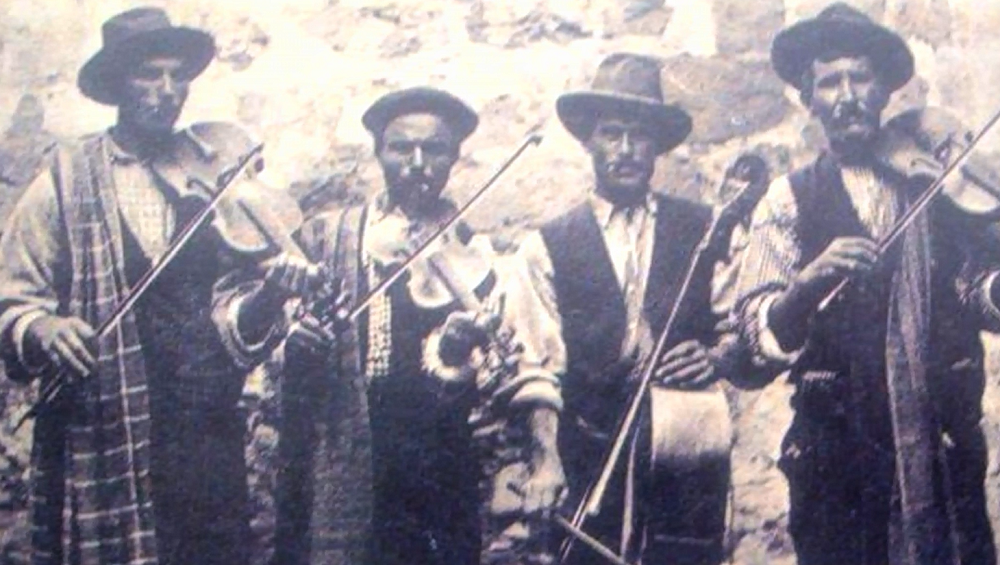
Originally, għana developed among working-class communities, particularly farmers and dockworkers. It was performed in village squares, bars, and informal gatherings where people would share stories, discuss daily life, and entertain one another. Over time, it became a way of expressing identity, humour, emotion, and even social criticism.
Unlike formal music, għana is largely improvised. Performers known as għannejja engage in lyrical exchanges, creating verses spontaneously while accompanied by guitars. This improvisation requires not only musical skill but also wit, intelligence, and quick thinking — making it both a performance and a mental duel.
Forms of Għana
Over the years, different styles of għana emerged, each with its own character:
- Għana tal-Fatt – narrative songs telling true stories or historical events
- Spirtu Pront – improvised lyrical battles between singers
- Għana Bormliża – a more melodic and structured form
These forms reflect both Malta’s past and its evolving cultural landscape, preserving stories of everyday people alongside major historical moments.
Għana and Cultural Preservation
Għana is not just entertainment — it is a living archive of Maltese language and identity. Through its verses, it keeps alive idioms, expressions, and oral traditions that might otherwise fade over time.
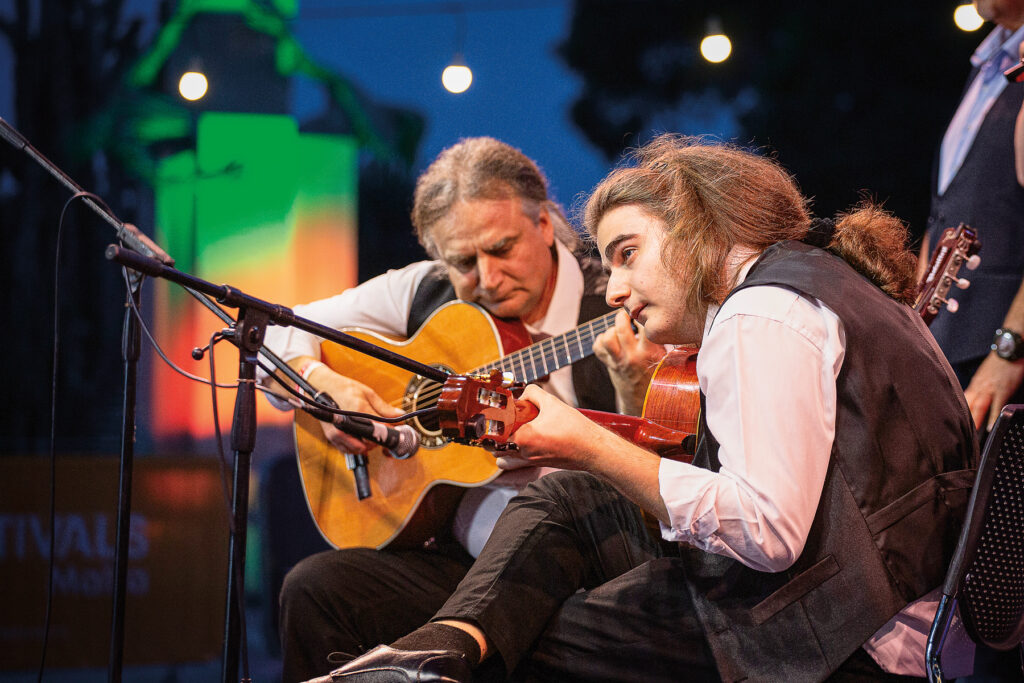
In recent years, there has been renewed effort to preserve and promote għana, with initiatives encouraging younger generations to learn and perform it. Festivals like Festgħana play a vital role in this, ensuring that the tradition continues to thrive in a modern context.
The inclusion of international elements, such as other forms of oral storytelling and traditional music, shows how għana sits within a broader global heritage of storytelling.
Festgħana 2026 – 22nd June Highlights
This year’s Festgħana promises a vibrant evening celebrating both tradition and innovation. Taking place in Floriana, the programme for the 22nd June offers a rich mix of performances:
18:30 – 22:30 | Ġejjin bil-Banda!
The evening begins with a lively atmosphere led by Banda Vilhena, Floriana’s local band club. Celebrations start in the streets with a traditional march, leading to the official opening at Argotti Gardens — setting the tone for a night rooted in community and festivity.
20:30 – 21:00 | Il-Fatt tar-Reġjun Port
Festgħana opens its għana programme with a special performance of għana tal-fatt.
- Winning piece: “Traġedja Ġo Kordin” by Bradley Cachia
- Performed by: Żeppi Zahra l-Muni
- Accompaniment: Johnny Grima tal-Belt and Mark Vella ta’ Kalċ (prim)
This segment highlights storytelling through music, rooted in themes connected to Malta’s Port Region.
21:00 – 21:45 | Għannejja Ġodda
A celebration of emerging talent, this segment showcases participants from the Għannejja Ġodda initiative.
Under the direction of Alexander Vella Gregory, and alongside Karol Aquilina and Jorge Aquilina (Nofsillejl), performers will reinterpret traditional themes through fresh voices — ensuring the continuity of this art form.
21:45 – 22:15 | UNESCO Intangible Cultural Heritage: Gusle (Serbia)
A special international feature introduces the gusle, a traditional Serbian single-string instrument.
Through expressive performance, the guslar narrates epic tales of heroes and historic events — offering a fascinating parallel to Malta’s own oral storytelling traditions and highlighting shared cultural values across borders.
22:15 – 23:00 | Siegħa Spirtu Pront – Għannejja tal-Film Żejtune
The night closes with one of the most exciting aspects of għana: spirtu pront.
Performed by four renowned singers featured in Żejtune, this session showcases:
- Improvised lyrical exchanges
- Quick wit and sharp humour
- Dynamic interaction between performers
Accompanied by live guitarists, this finale promises energy, spontaneity, and a true celebration of Maltese folk culture.
A Living Tradition
Festgħana 2026 is not just an event — it is a reminder that għana remains a living, evolving tradition. From its humble beginnings in village gatherings to the structured performances of today, it continues to reflect the voice of the Maltese people.
Whether you are a long-time admirer or discovering it for the first time, Festgħana offers a unique opportunity to experience the soul of Malta — expressed through rhythm, poetry, and storytelling.