Cominotto: Malta’s Tiny Island with Big Stories

Blue Lagoon Comino Malta

Cominotto: Malta’s Tiny Island with Big Stories

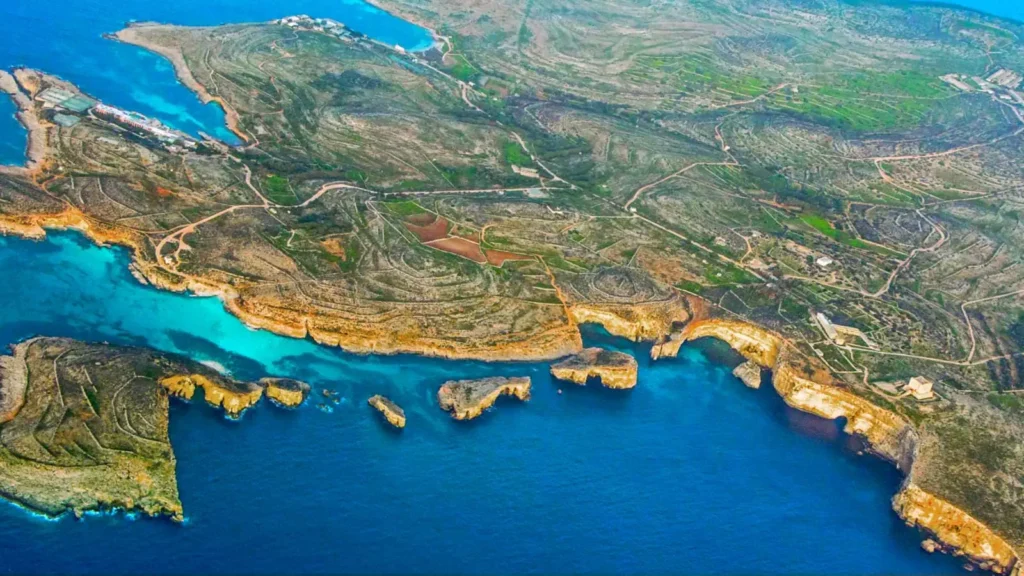
Tucked between the famous Blue Lagoon of Comino and the rugged coast of Malta lies Cominotto, a small, uninhabited islet that often goes unnoticed beside its larger neighbors. Yet despite its size, Cominotto has a fascinating blend of geology, history, and cinematic fame that makes it far more interesting than it first appears.


🌍 The Geology of Cominotto

Cominotto, like the Maltese Islands as a whole, is primarily made of limestone, formed millions of years ago when the region was submerged under a warm, shallow sea.

Key geological features:

  • Upper Coralline Limestone: The rock that dominates Cominotto is a hard, pale limestone full of fossilized marine organisms such as corals and algae.
  • Karst landscape: Over time, rainwater dissolved parts of the limestone, creating small caves, fissures, and smooth rock formations.
  • Coastal erosion: Waves and wind have carved Cominotto into a rugged shape, with steep cliffs and smaller inlets.

The surrounding sea is incredibly clear due to:

  • Low sediment runoff
  • Limestone seabed reflecting sunlight
  • Minimal human disturbance

This clarity makes the area around Cominotto a hotspot for snorkeling and diving, especially along the channel facing the Blue Lagoon.

🏛️ A Glimpse Into History

Though Cominotto itself has never been permanently inhabited, it has always been tied closely to the broader history of the Maltese Islands.

Historical context:

  • Part of the Comino system: Cominotto sits just meters off Comino, which in the past was used by farmers, pirates, and even as a place of exile.
  • Strategic waters: The channel between Malta, Comino, and Gozo has long been important for navigation and defense.
  • Knights of St. John era (16th–18th century): While Cominotto didn’t host structures, nearby Comino had watchtowers such as St. Mary’s Tower, helping guard the region from Ottoman and pirate attacks.

Cominotto itself remained untouched—too small for settlement, but valuable as a natural barrier and lookout point.

🎬 Cominotto and the “Popeye” Movie

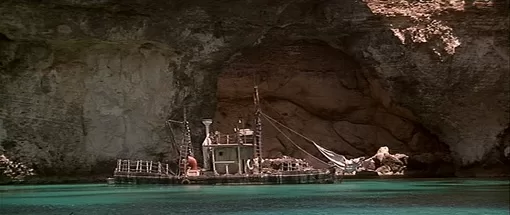
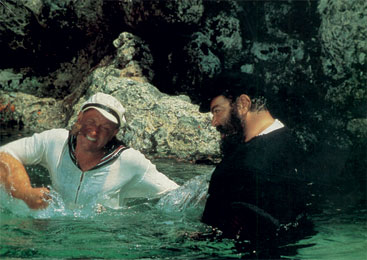
One of the most fun facts about the Comino–Cominotto area is its connection to cinema, specifically the 1980 musical film Popeye starring Robin Williams.

The Popeye connection:

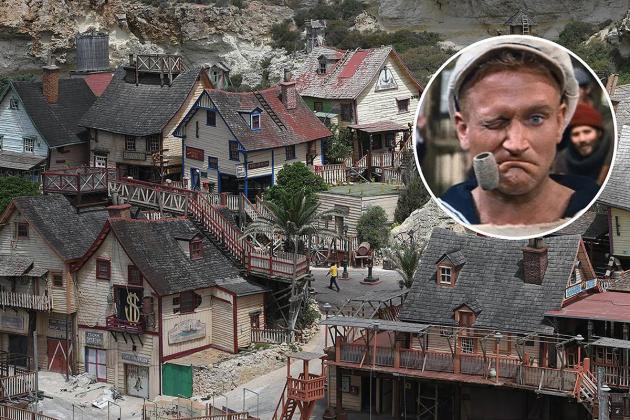
  • The film was mainly shot at Anchor Bay on mainland Malta, where a full wooden village (“Sweethaven”) was built.
  • While Cominotto was not the primary filming location, the Comino/Blue Lagoon region (including views of Cominotto) was part of the wider landscape that contributed to the film’s Mediterranean setting.
  • Today, Popeye Village still exists as a tourist attraction, giving visitors a glimpse into how Malta’s coastal geography, including nearby islets like Cominotto, helped shape the movie’s visual style.

The crystal waters and warm limestone tones seen around Cominotto mirror the aesthetic used in many scenes, even if indirectly.

Cominetto Popeye

Today, Cominotto is:

  • Uninhabited
  • Protected from development
  • Frequently visited by swimmers, kayakers, and boat tour
popeye

What makes it special today:

  • Quiet escape from crowded Blue Lagoon
  • Crystal-clear swimming spots and small sandy pockets
  • Stunning scenic views of Comino and Malta

Cominotto may be small, but it is a perfect snapshot of what makes Malta unique:

  • A geological treasure formed millions of years ago
  • A silent witness to Mediterranean history
  • A natural backdrop to cinematic storytelling

Whether you admire it from a boat, swim in its waters, or simply learn about it from afar, Cominotto reminds us that even the tiniest islands can hold remarkable stories.