Table of Contents
ToggleVopi in Malta: From Sea Tradition to the Maltese Kitchen
Malta’s deep connection with the Mediterranean Sea has shaped not only its history but also its cuisine. Among the many fish that grace Maltese tables, vopi—known in English as bogue (Boops boops)—holds a special place. Though modest compared to prized catches like lampuki or tuna, vopi are a staple in traditional Maltese fishing and cooking, celebrated for their abundance, subtle flavor, and versatility.
The Tradition of Catching Vopi
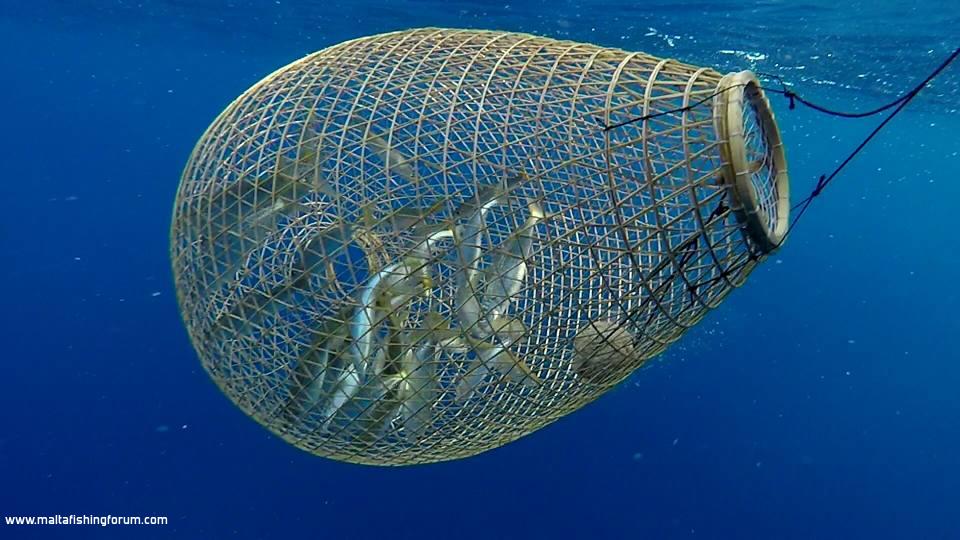
Fishing for vopi in Malta is rooted in generations of coastal life. These small, silver fish are commonly found in shallow and mid-depth Mediterranean waters, often moving in large schools. Historically, Maltese fishermen relied on simple techniques that reflected both practicality and sustainability.
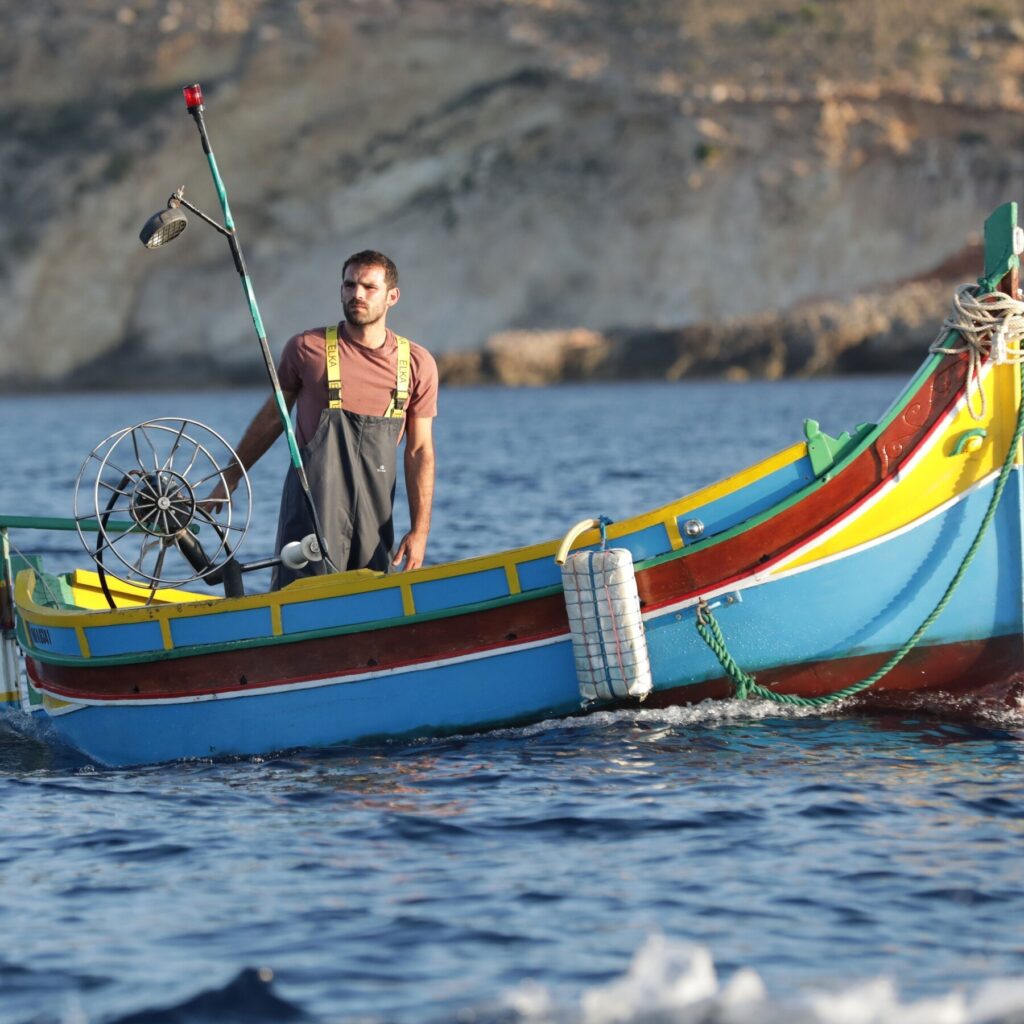
One of the most common methods used is line fishing, especially from small boats known as luzzu or kajjik. Fishermen typically head out at dawn or dusk, when vopi are most active and closer to the surface. Using light tackle and multiple hooks baited with small pieces of squid or worm, they can catch several fish at once. Because vopi travel in groups, a skilled fisherman can quickly gather a good haul.
Another traditional technique involves nets, particularly small-scale gill nets placed strategically in areas where vopi are known to pass. These nets require experience and local knowledge of the seabed and currents, something Maltese fishermen have passed down through generations. Unlike industrial fishing, these methods are low-impact and allow for a more balanced relationship with the marine ecosystem.
For many Maltese families, fishing for vopi is not just about food—it’s a cultural ritual. Grandparents teach grandchildren how to bait a hook, read the water, and respect the sea. Even today, recreational fishing for vopi remains popular along rocky shores and harbors, maintaining a living link to Malta’s maritime heritage.
Preparing Vopi the Maltese Way
Once caught, vopi are usually cooked fresh on the same day, ensuring maximum flavor. While they may look simple, Maltese cuisine transforms them into hearty and satisfying dishes through clever preparation and bold Mediterranean ingredients.
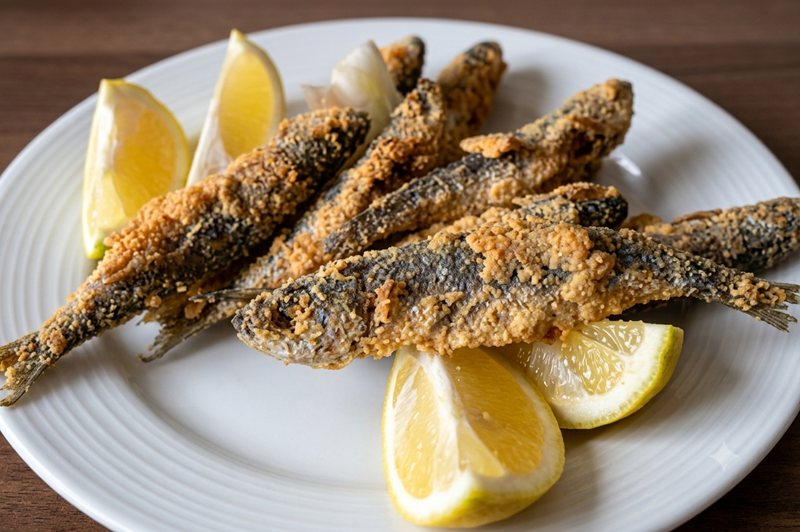
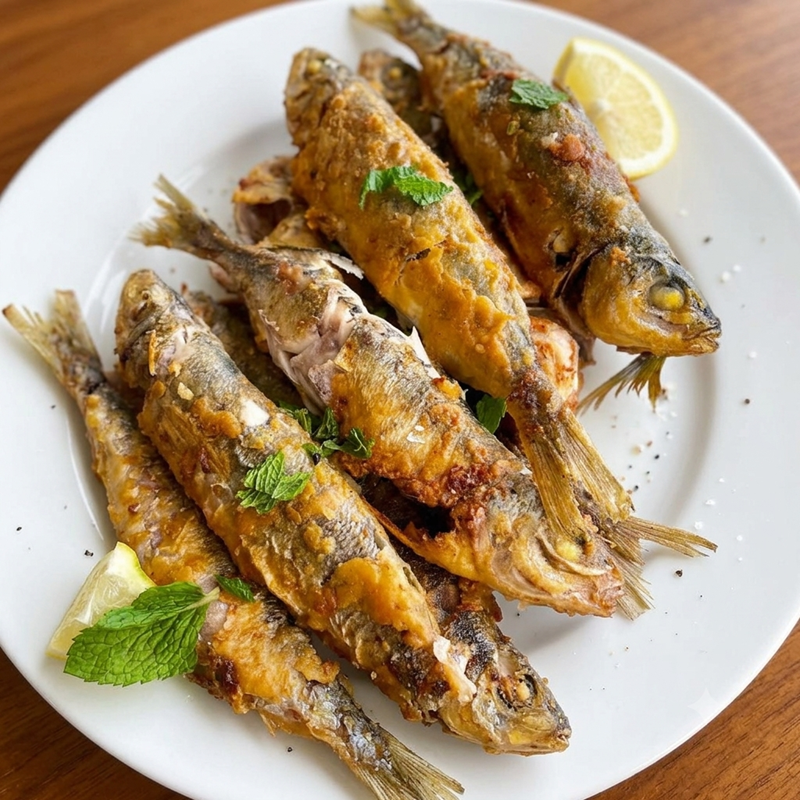
The most iconic dish is Vopi Moqlija (fried vopi). This method is straightforward but incredibly delicious. The fish are cleaned, lightly seasoned with salt, and then dusted in flour before being fried in hot olive oil. The result is a crispy exterior with tender, flaky flesh inside. They are often served with a squeeze of fresh lemon, which enhances the natural sweetness of the fish.
Another beloved preparation is Vopi fil-Forn (baked vopi). In this version, the fish are layered in a baking dish with potatoes, onions, garlic, tomatoes, and herbs such as parsley. A drizzle of olive oil and sometimes a splash of white wine bring everything together. The dish is then baked slowly, allowing the flavors to meld into a rich, comforting meal. This method reflects the Maltese love for rustic, home-cooked food that feeds both body and soul.
A lesser-known but traditional option is vopi in sauce, where the fish are simmered in a light tomato-based sauce with capers, olives, and garlic. This preparation highlights Malta’s blend of Mediterranean influences, borrowing elements from Italian and North African cuisines.
A Taste of Sustainability and Simplicity
What makes vopi truly special in Maltese culture is their representation of resourcefulness. Unlike luxury seafood, vopi remind people of simpler times when families relied on what the sea could provide daily. They are affordable, widely available, and easy to prepare, making them a staple in many households.
In recent years, there has been a renewed appreciation for such traditional and sustainable fish. As awareness grows about overfishing and environmental impact, species like vopi are increasingly valued for their lower ecological footprint compared to larger, commercially overexploited fish.
Keeping the Tradition Alive
Today, while modern fishing technologies and globalized food markets have changed eating habits, vopi continue to hold their place in Maltese cuisine. Local fish markets still display fresh catches, and traditional restaurants proudly serve dishes that have been passed down for generations.
Food festivals and village feasts often include vopi dishes, celebrating not just the fish itself but the community spirit around it. For visitors, tasting vopi offers a genuine glimpse into Malta’s culinary identity—simple, honest, and deeply connected to the sea.
Keeping the Tradition Alive
Today, while modern fishing technologies and globalized food markets have changed eating habits, vopi continue to hold their place in Maltese cuisine. Local fish markets still display fresh catches, and traditional restaurants proudly serve dishes that have been passed down for generations.
Food festivals and village feasts often include vopi dishes, celebrating not just the fish itself but the community spirit around it. For visitors, tasting vopi offers a genuine glimpse into Malta’s culinary identity—simple, honest, and deeply connected to the sea.