Walking Among Wild Thyme in Malta: A Guide to Aħrax & Ramla Bay
Table of Contents
Toggle(With a Look at the Natural Beauty Surrounding Bluewaves Watersports Malta)
Malta’s northern peninsula is one of the island’s most aromatic and naturally rich regions, especially the rugged terrain of Aħrax tal‑Mellieħa, the Marfa ridge, and the rocky areas above Ramla Bay.
If you love walking, nature photography, wild plants, or the scent of Mediterranean coastlines, this area is a treasure.
If you love walking, nature photography, wild plants, or the scent of Mediterranean coastlines, this area is a treasure.
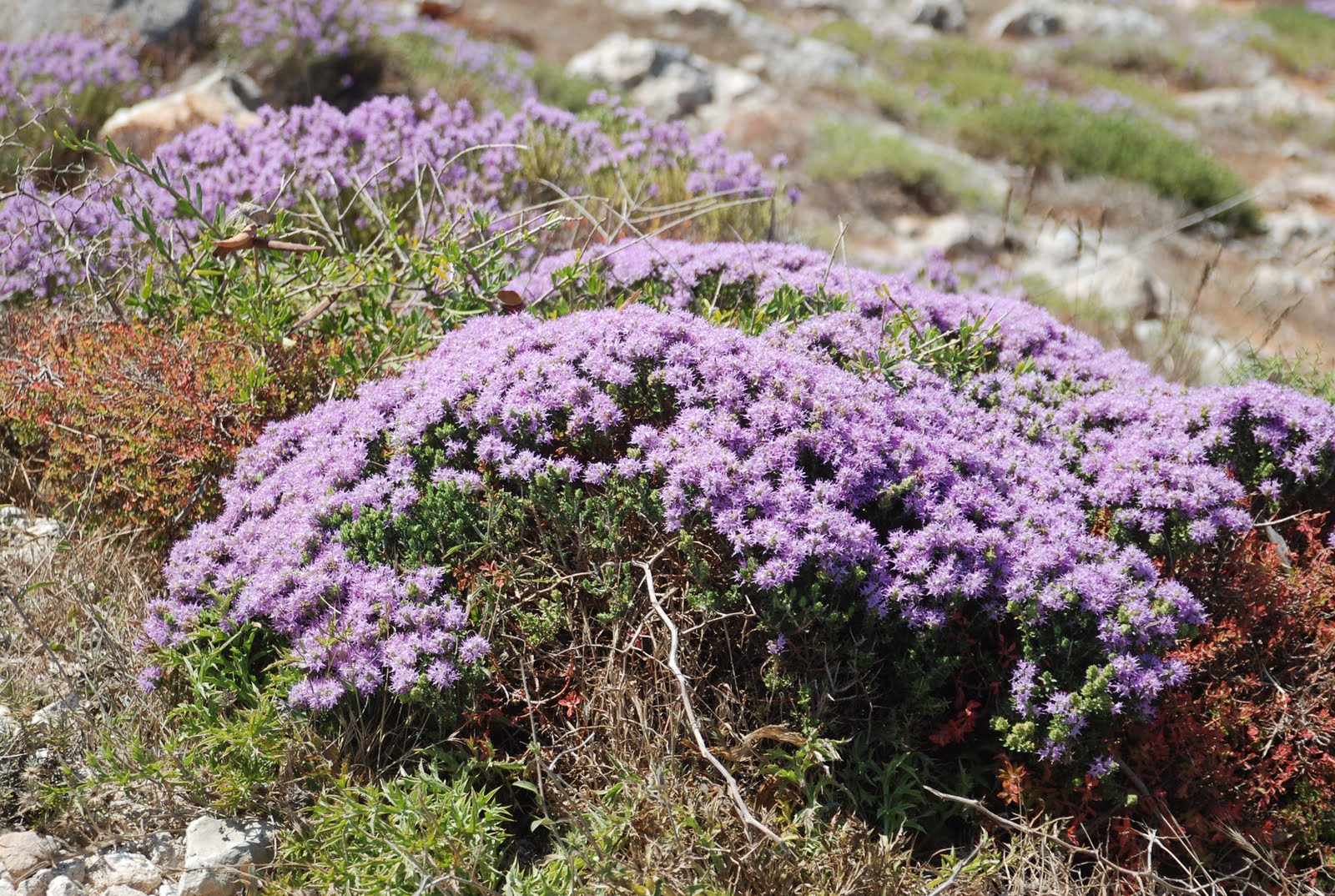
One of the most distinctive features you’ll notice while exploring on foot is wild thyme, locally known as sagħtar, which carpets the garigue from spring through early summer.
This guide takes you through the thyme found in this region, its importance for bees and honey, and how walking trails above Ramla Bay complement the coastal landscapes where Bluewaves Watersports Malta operates.
🌿 What Is Wild Thyme in Malta?
Wild thyme in Malta is a hardy, sun‑loving plant that grows naturally on open, rocky terrain. You can easily identify it by:
- Small purple or lilac flowers (April–June)
- A strong herbal aroma, especially in warm weather
- Low, woody clusters spreading across limestone landscapes
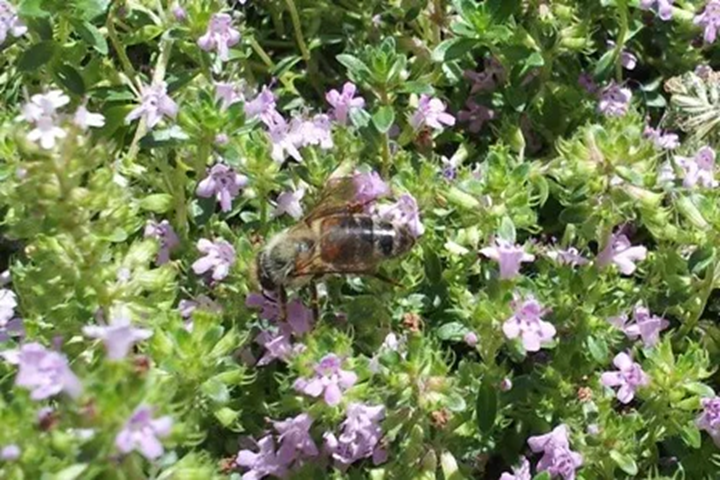
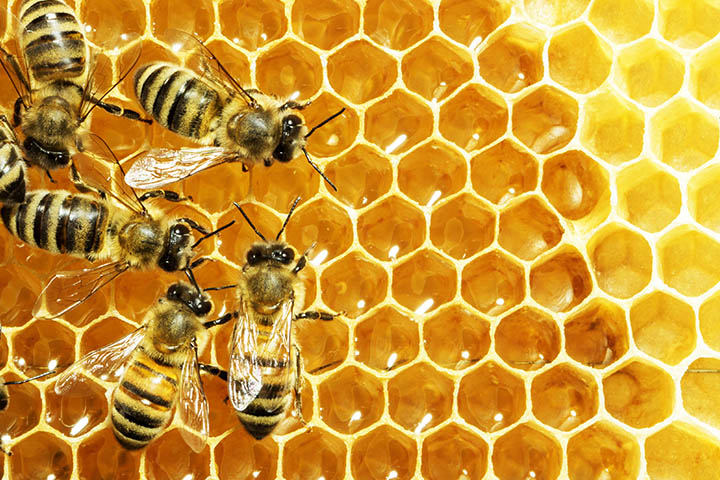
- Busy bees gathering nectar from morning to afternoon
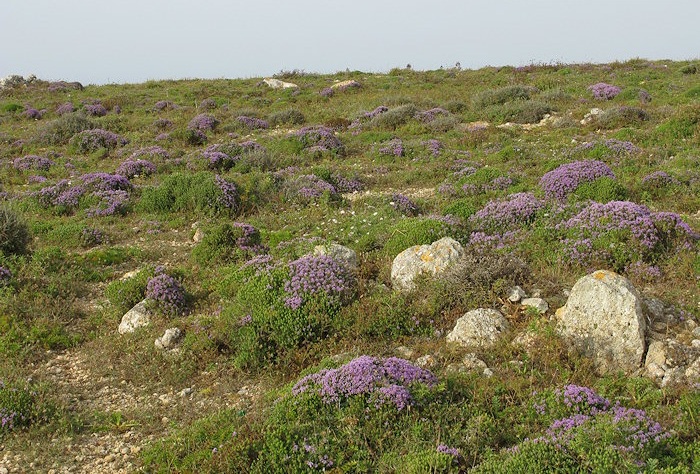
It’s a signature plant of the Maltese garigue, the low, scrubby habitat found mostly in the north.
📍 Where You’ll Find Thyme When Walking in Aħrax & Ramla Bay
If you start a walk from the Marfa/Ramla Bay area and head toward the cliffs or inland tracks, you’ll pass through natural thyme territory. Key spots include:
✔️ Aħrax Point (L-Aħrax tal-Mellieħa)
Expansive garigue fields, exposed limestone, and sea cliffs.
Thyme grows in clusters along the paths and ridges.
Thyme grows in clusters along the paths and ridges.
✔️ The Trails Behind Ramla Bay Hotel
The gentle slope behind Ramla Bay Resort leads into open garigue where thyme is common, especially near rock shelves and sun‑exposed flats.
✔️ Tal-Qammieħ
This hilltop area offers stunning views toward Comino, with thyme growing between the rocky cracks.
✔️ Marfa Ridge
A long stretch of natural coastline linking Aħrax to Mellieħa Bay, full of low Mediterranean shrubs — thyme included.
Walking these trails in spring is especially rewarding due to blooming purple patches and buzzing bee activity.
🐝 Why Thyme Matters: Benefits for Bees & Maltese Honey
Thyme is not just beautiful; it plays a crucial ecological role. Here’s why bees depend on it:
🍯 1. Thyme Makes Excellent Maltese Honey
Thyme nectar gives honey a unique profile:
- Rich aroma
- Slightly spicy flavour
- High antioxidant content
Many Mellieħa-area beekeepers rely on thyme-rich garigue for their honey production.
🌼 2. A Vital Nectar Source in Spring
From April to June, thyme blooms consistently, providing one of the richest nectar supplies for Malta’s bees at their busiest time of year.
🐝 3. Natural Support for Hive Health
Thyme contains thymol, a natural compound that helps bees resist common parasites and stay strong throughout the hotter months.
🌱 4. Supporting Malta’s Coastal Biodiversity
Where thyme thrives, bees follow, and this helps pollinate other important plants across Aħrax and Marfa, maintaining the region’s natural balance.
🌊 Complement Your Nature Walk With more Adventure
(Bluewaves Watersports Malta — Marfa / Ramla Bay)
After exploring the thyme‑covered walking trails around Aħrax and Ramla Bay, many visitors choose to enjoy the northern coastline from the sea.
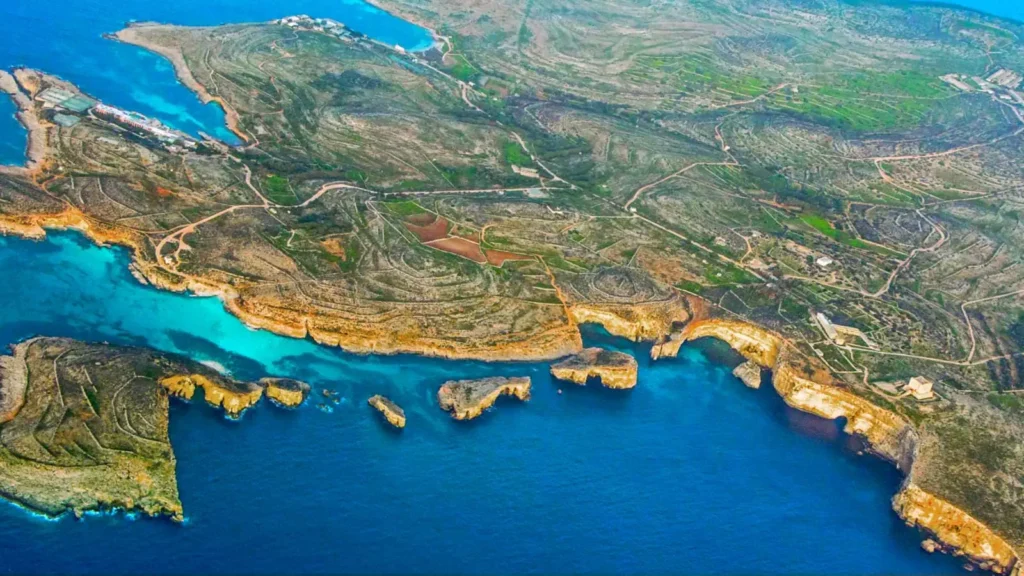
And interestingly, Comino itself also has wild thyme, growing in patches across its rocky plateaus, cliffs, and open garigue. The scent is especially noticeable when walking on Comino’s inland trails, a pleasant surprise for nature lovers visiting the Blue Lagoon or Crystal Lagoon.
Bluewaves Watersports Malta, operating from the Marfa / Ramla Bay area, offers safe, well‑maintained self-drive boats, cruises and boat rides, that bring you close to these same natural landscapes, including Comino’s thyme‑covered terrain.