The Story of Maltese Art Through the Centuries

The Story of Maltese Art Through the Centuries

Discovering Malta Through Art, History and Its Most Famous Artists

Malta’s rich cultural heritage extends far beyond its crystal-clear waters and historic landmarks. For centuries, the islands have been a meeting point of civilizations, leaving behind an artistic legacy that continues to inspire both locals and visitors. From magnificent Baroque masterpieces to contemporary creative expressions, Malta offers a fascinating journey through art, history, and culture.


A History Shaped by Many Civilizations

Malta’s strategic location in the heart of the Mediterranean has attracted numerous civilizations throughout history. The Phoenicians, Romans, Arabs, Knights of St. John, French, and British all left their mark on the islands, influencing local traditions, architecture, and artistic styles.

This unique blend of cultural influences can be seen everywhere, from ancient temples that date back over 5,000 years to ornate churches, palaces, and fortifications. Art in Malta has always reflected the island’s history, often serving as a visual record of its evolving identity and the people who have called it home.

Today, art remains an essential part of Maltese culture, helping preserve traditions while embracing modern creativity.

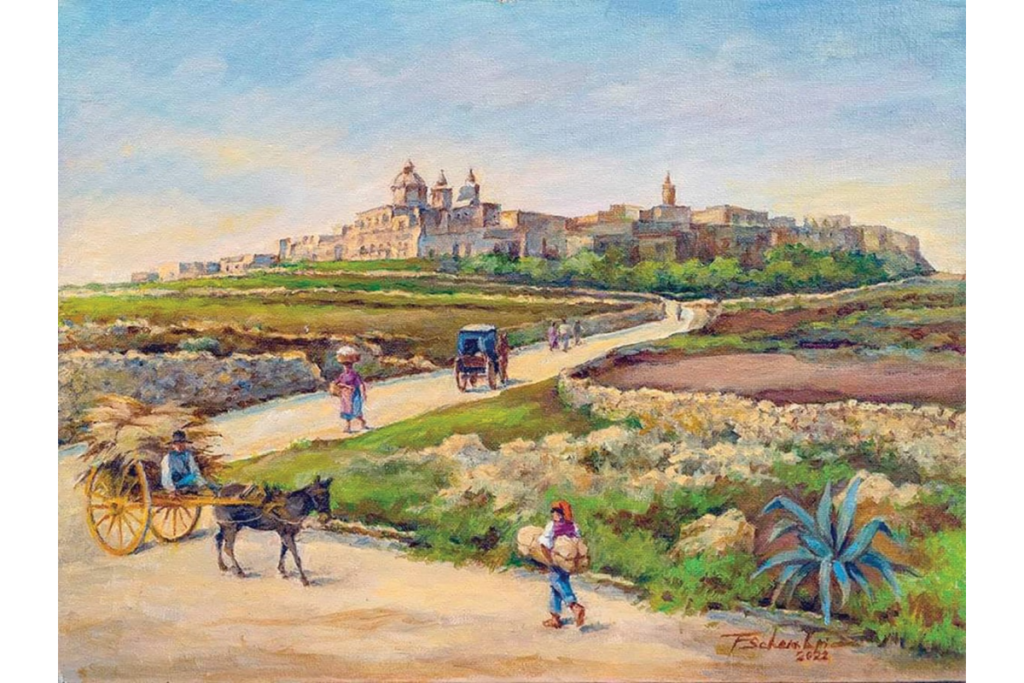
A view of Mdina
A view of Mdina
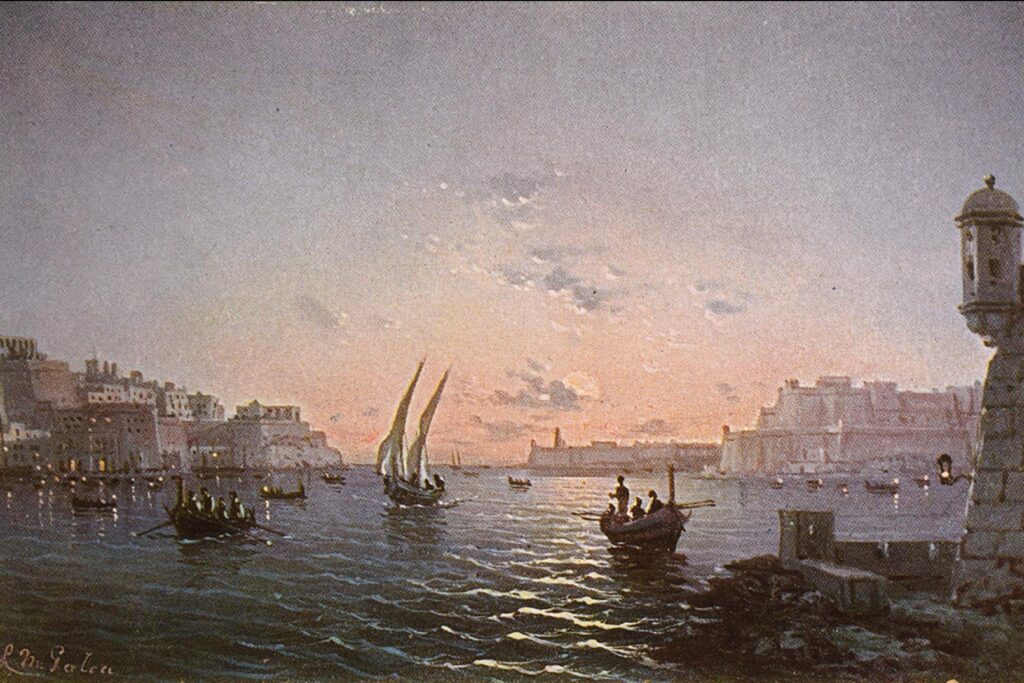
'Moonlight View of the Entrance of Grand Harbour', by Luigi Maria Galea

Caravaggio and Malta’s Artistic Legacy

One of the most famous artists connected to Malta is Michelangelo Merisi da Caravaggio. Although not Maltese by birth, the renowned Italian painter spent a significant period on the island during the early 17th century.

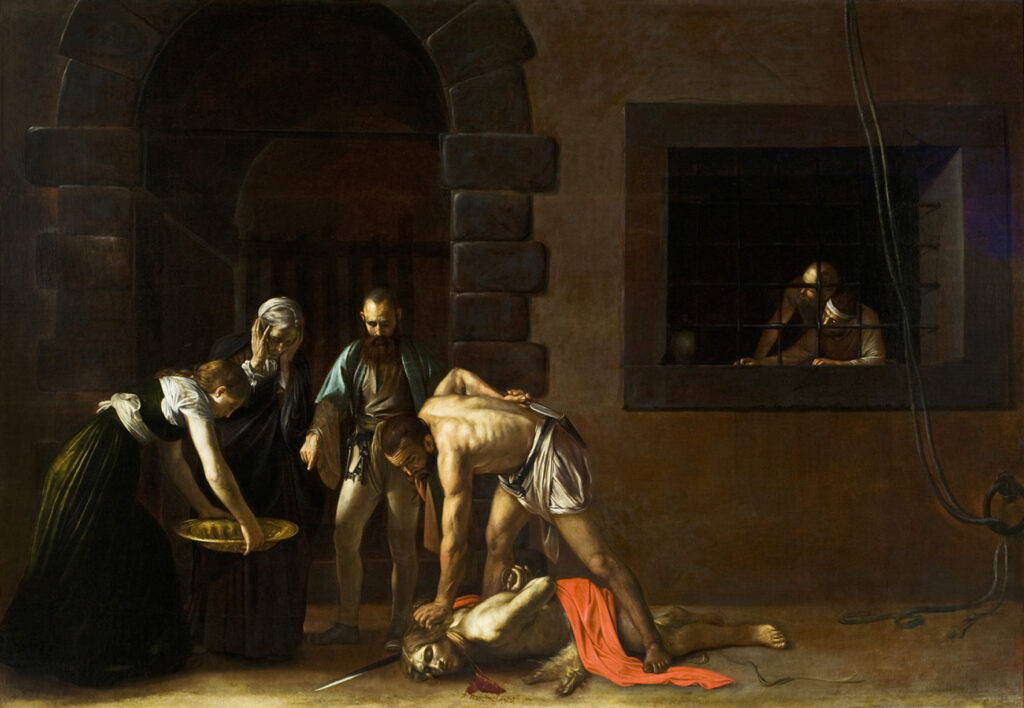
During his stay, Caravaggio created what many consider his masterpiece, The Beheading of Saint John the Baptist, which remains displayed in St. John’s Co-Cathedral in Valletta. The painting is notable not only for its dramatic use of light and shadow but also because it is the only work ever signed by the artist.

Caravaggio’s presence elevated Malta’s standing in the European art world and continues to attract art lovers from around the globe who visit the island specifically to admire his work.


Giuseppe Calì: Malta’s National Painter

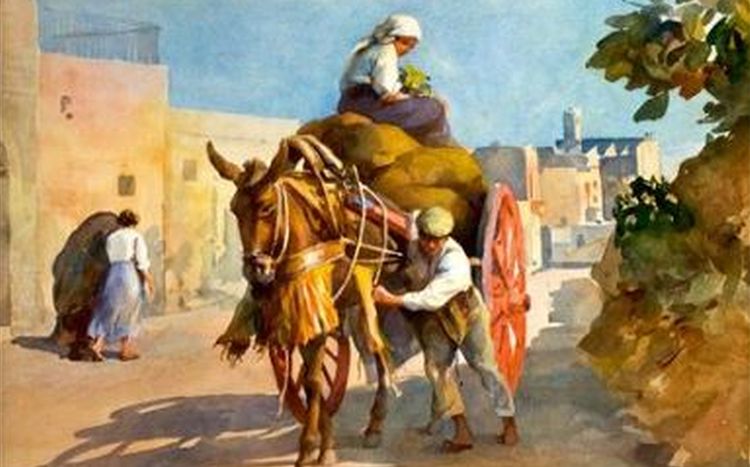
No discussion about Maltese art would be complete without mentioning Giuseppe Calì. Widely regarded as one of Malta’s greatest artists, Calì left an extraordinary mark on the island during the 19th and early 20th centuries.

His paintings and frescoes can be found in many churches across Malta and Gozo, where they continue to be admired for their vibrant colours, intricate details, and emotional depth. Through his work, Calì helped shape the visual identity of Malta, blending religious themes with local artistic traditions.

His influence remains significant today, and many art historians consider him one of the most important figures in Maltese artistic history.

Bible stories – the beheading of John the Baptist (painted 1608)

Contemporary Maltese Artists

While Malta takes great pride in its historical masterpieces, the local art scene continues to thrive through contemporary artists who explore modern themes and techniques.

Today’s Maltese artists work across a variety of mediums, including painting, sculpture, photography, digital art, and mixed media. Galleries and cultural spaces throughout Valletta, Sliema, Mdina, and Gozo regularly host exhibitions that showcase both established and emerging talent.

These artists often draw inspiration from Malta’s landscapes, maritime heritage, social changes, and unique island lifestyle, creating works that connect the past with the present.

Exploring Art Across the Islands

Visitors interested in art will find countless opportunities to immerse themselves in Malta’s creative heritage. Museums, historical buildings, churches, and galleries provide a window into centuries of artistic achievement.

Valletta, Malta’s capital city and a UNESCO World Heritage Site, is particularly rich in cultural attractions. Walking through its streets reveals a living museum where Baroque architecture, public monuments, and artistic treasures can be discovered around every corner.

Beyond Valletta, charming villages and towns across Malta and Gozo feature local artisans, traditional crafts, and community art initiatives that celebrate the islands’ enduring creative spirit.
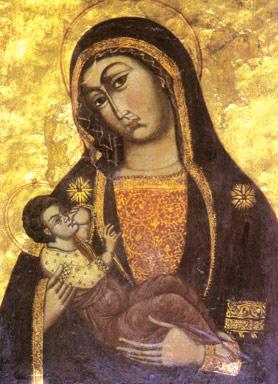
An early 13th-century, Siculo-Romanesque icon of The Virgin and Child known as the Virgin of St Luke, at Mdina Cathedral.
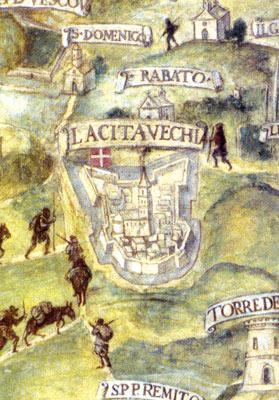
The medieval cathedral in Mdina. Detail from a fresco by Mattia Perez d’Aleccio at the Palace, Valletta.

A Living Cultural Heritage

Art in Malta is more than a collection of paintings and sculptures. It is a reflection of the islands’ history, identity, and resilience. From the timeless masterpieces of Caravaggio and Giuseppe Calì to the innovative works of modern Maltese artists, creativity continues to shape the cultural landscape of the islands.

Whether visiting a grand cathedral, exploring a contemporary gallery, or simply admiring the architecture of historic streets, discovering Malta through its art offers a deeper understanding of the people, stories, and traditions that make the islands truly unique.