
Table of Contents
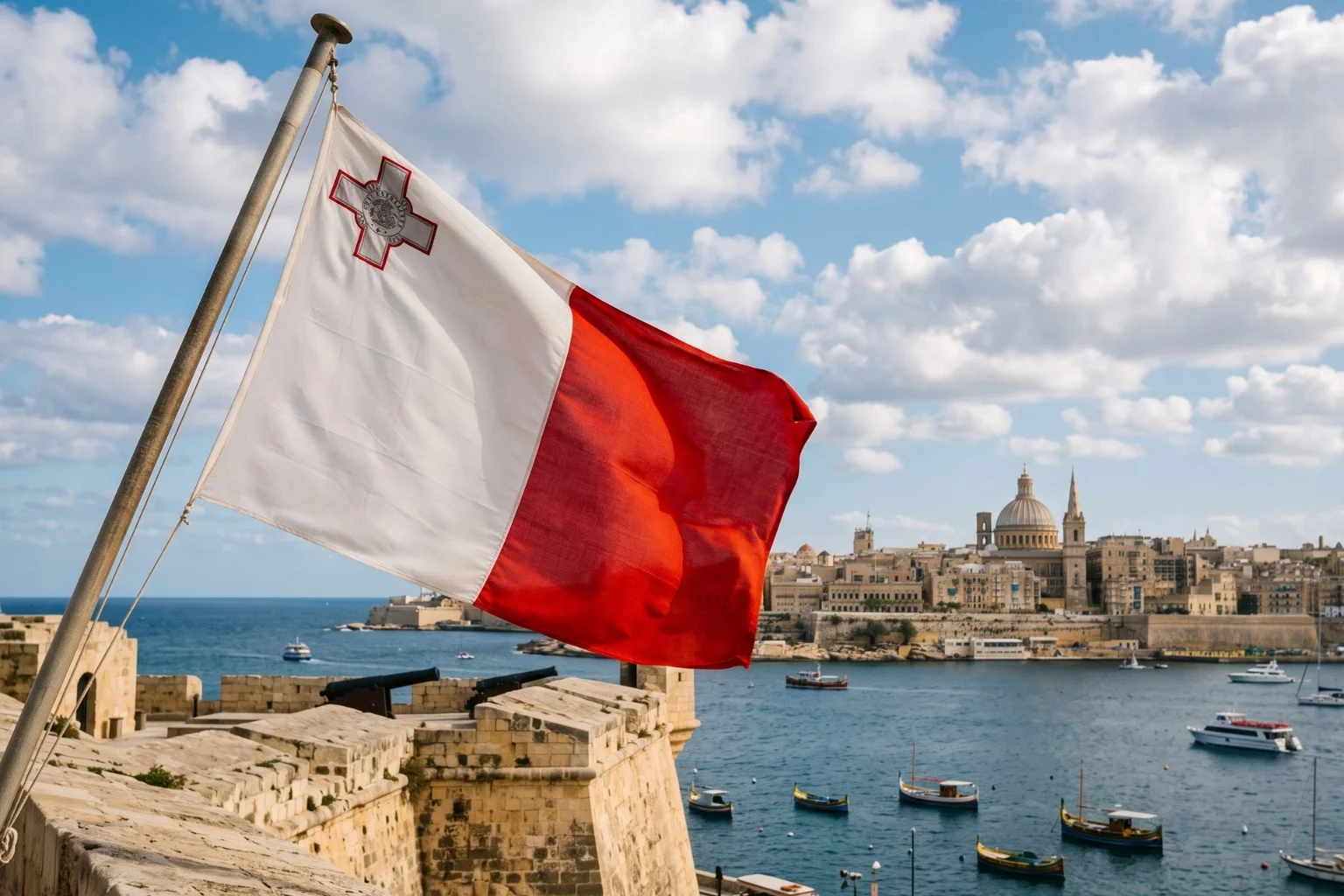
ToggleThe Maltese National Anthem, known as L-Innu Malti, is one of the most cherished symbols of Malta’s national identity. More than just a patriotic song, it reflects the country’s deep-rooted values, rich cultural heritage, and enduring sense of unity. Sung during national celebrations, official ceremonies, and important public events, the anthem continues to inspire pride among the Maltese people both at home and abroad.
The Origins of L-Innu Malti
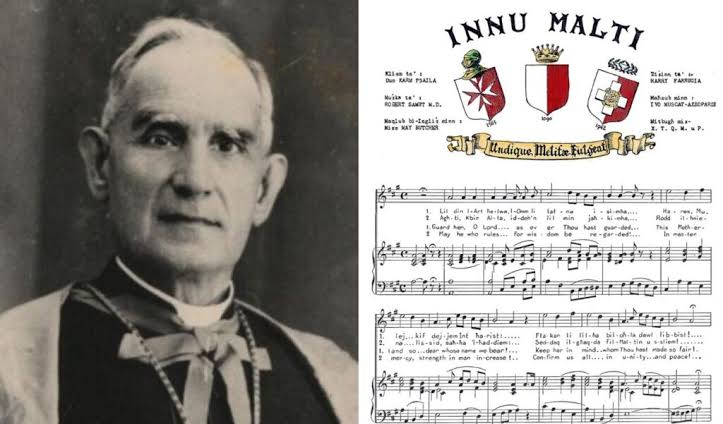
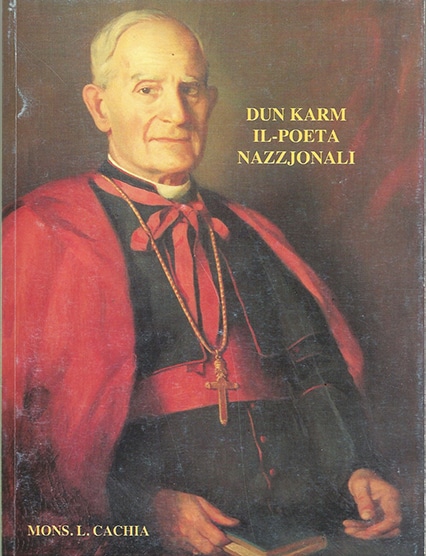
The Maltese National Anthem was created in the early twentieth century. The music was composed by Robert Samut, a respected Maltese physician and musician, while the lyrics were written by Dun Karm Psaila, Malta’s national poet. Their collaboration produced a piece that would become a lasting symbol of the nation.
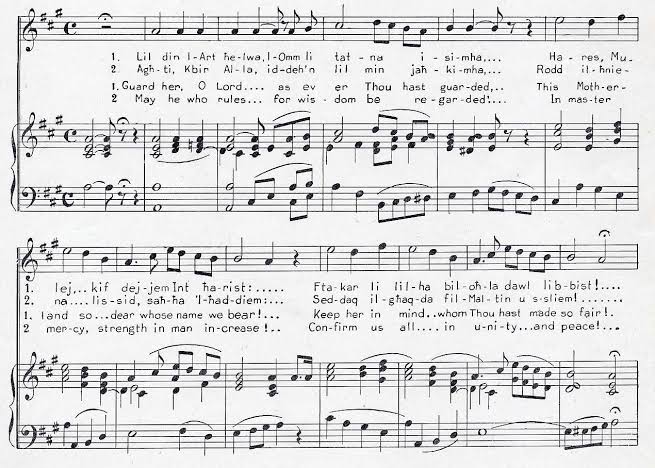
Unlike many national anthems that focus on military victories or political struggles, L-Innu Malti stands out for its prayerful and reflective tone. The lyrics are addressed to God, asking for wisdom, unity, and guidance for the Maltese people. This distinctive character has helped the anthem remain meaningful across generations.
A Reflection of Maltese Values
One of the most remarkable aspects of the Maltese National Anthem is its emphasis on moral and spiritual values. The lyrics highlight qualities such as harmony, justice, compassion, and national solidarity. Rather than glorifying conflict, the anthem promotes peace and mutual respect.
These themes closely reflect Malta’s historical and cultural development. For centuries, the Maltese Islands have been influenced by different civilizations, including the Phoenicians, Romans, Arabs, Knights of St. John, French, and British. Throughout these changes, the Maltese people preserved a strong sense of identity rooted in faith, language, and community.
The anthem captures this spirit perfectly, encouraging citizens to work together for the good of the nation while remaining grateful for their shared heritage.
The Importance of the Maltese Language
Another reason why L-Innu Malti is so significant is its use of the Maltese language. Maltese is unique among European languages because it has Semitic roots while incorporating influences from Italian, English, and other languages. It serves as a living reminder of Malta’s diverse history.
The anthem played an important role in promoting Maltese as a language of national importance. At a time when cultural identity was becoming increasingly significant, the anthem demonstrated the beauty and dignity of the Maltese language. Today, singing the anthem allows citizens to celebrate not only their country but also one of its most treasured cultural assets.
The Anthem in Modern Malta
The Maltese National Anthem remains an integral part of contemporary life. It is performed during national holidays such as Independence Day, Republic Day, Freedom Day, and Victory Day. It is also heard at sporting events, school ceremonies, and state functions.
For many Maltese citizens, hearing the anthem creates a powerful emotional connection to their homeland. Whether living in Malta or abroad, the familiar melody and meaningful words evoke feelings of belonging and pride. The anthem serves as a reminder of the values that unite the nation despite differences in background, opinion, or generation.
In schools, young people learn the anthem as part of their civic and cultural education, ensuring that its message continues to be passed on to future generations.
The Maltese National Anthem is far more than a ceremonial song. It represents Malta’s history, language, faith, and commitment to unity. Through its uplifting melody and thoughtful lyrics, L-Innu Malti expresses a vision of a nation guided by wisdom, peace, and shared purpose.
As Malta continues to progress in an ever-changing world, its national anthem remains a timeless reminder of the principles that define the country and its people. It is a source of inspiration, pride, and identity, reflecting the enduring spirit of the Maltese nation.