
Table of Contents
ToggleAncient Secrets Unearthed in Xagħra: A Remarkable Discovery from Malta’s Prehistoric Past
A Discovery That Rewrites History
Malta’s rich prehistoric heritage has once again captured the attention of archaeologists and history enthusiasts alike. In the heart of Xagħra, Gozo, a remarkable archaeological discovery is shedding new light on some of the earliest communities to inhabit the Maltese Islands.
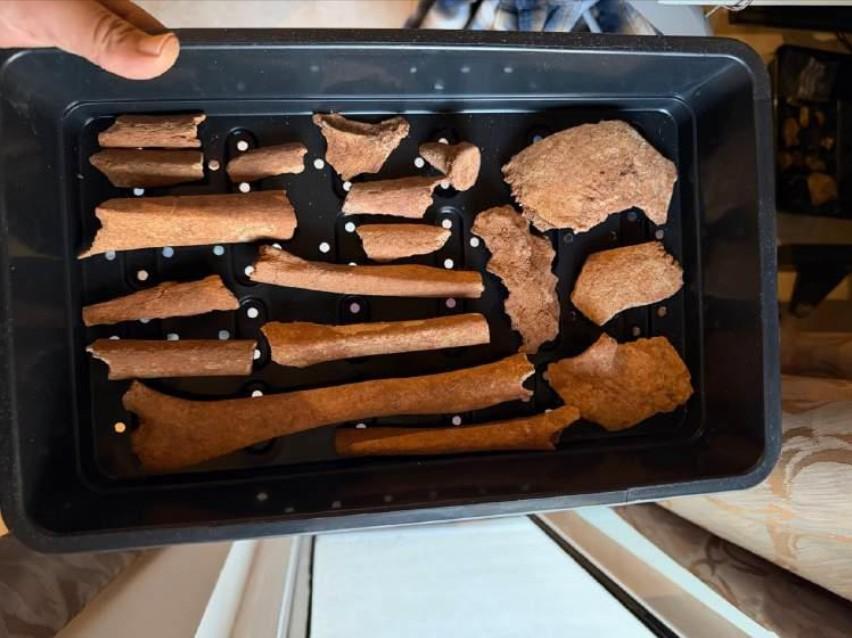
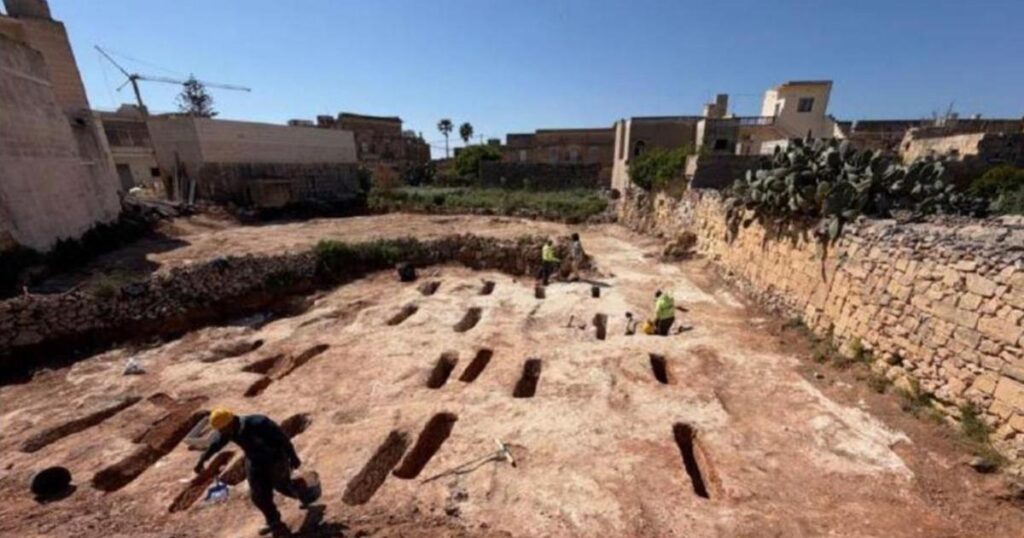
Recent investigations at a site in Triq il-Ġdida, near Pjazza Sant’ Anton, have uncovered human remains, prehistoric pottery, and a number of intact pottery vessels dating back more than 6,000 years. The findings are believed to belong to the Żebbuġ Phase, a period spanning approximately 4100 to 3800 BC, making the site one of the most significant prehistoric discoveries in recent decades.
Predating Malta’s Famous Temples
What makes this discovery particularly fascinating is its age. The remains date from a time before the construction of Malta’s world-famous megalithic temples, which are among the oldest free-standing structures on Earth.
The Żebbuġ Phase represents the earliest stage of Malta’s Temple Period, offering a rare glimpse into the lives of the island’s first farming communities. Evidence from this era is relatively scarce, making every new discovery invaluable to researchers seeking to understand how these early societies lived, worked, and honoured their dead.
The Xagħra findings provide an important missing piece in the story of Malta’s prehistoric development.
An Ancient Cemetery Comes to Light
Archaeologists believe the site contains a prehistoric cemetery consisting of at least eight tombs. The discovery of multiple burial chambers suggests that this was a significant funerary landscape used by an established community thousands of years ago.
Human remains found within the tombs may help researchers learn more about the people who lived in Malta during this early period. Through modern scientific techniques, archaeologists may be able to gain insights into their diet, health, origins, and daily lives.
The intact nature of many of the archaeological deposits is equally important, as undisturbed sites often provide a clearer picture of ancient practices and traditions.
Rare Pottery Offers Valuable Clues
Among the most exciting discoveries are several intact pottery vessels. These artefacts provide valuable information about the craftsmanship, trade connections, and cultural practices of Malta’s earliest inhabitants.
Pottery from the Żebbuġ Phase is relatively uncommon, making these findings particularly significant. The vessels may reveal how prehistoric communities stored food, prepared meals, or conducted burial rituals and ceremonies.
For archaeologists, intact objects often tell stories that fragmented artefacts cannot, helping to paint a more complete picture of life thousands of years ago.
Protecting an Important Heritage Site
Recognising the significance of the discovery, authorities have placed the site under protection through an Emergency Conservation Order. This measure ensures that archaeological investigations can continue while experts assess the site’s full importance and determine appropriate long-term conservation strategies.
Such protection is essential for preserving fragile archaeological remains and ensuring that valuable information is not lost before detailed studies can be completed.
Deepening Our Understanding of Early Malta
The discovery in Xagħra offers a unique opportunity to learn more about Malta’s earliest communities and their burial traditions. While the islands are renowned for their prehistoric temples, far less is known about the people who lived here before those monumental structures were built.
As research continues, archaeologists hope the site will reveal new insights into the beliefs, customs, and daily lives of the communities that laid the foundations for Malta’s later prehistoric cultures.
A Window Into the Distant Past
Malta’s history stretches back thousands of years, and discoveries such as this remind us that many chapters of that story are still waiting to be uncovered. The newly discovered cemetery at Xagħra not only enriches our understanding of the islands’ prehistoric heritage but also highlights the extraordinary archaeological treasures that continue to emerge from beneath Maltese soil.
As investigations progress, this remarkable site may prove to be one of the most important windows into the lives of Malta’s earliest inhabitants, offering a rare glimpse into a world that existed long before the first temples rose above the landscape.
Zeggug – Gozo