
Table of Contents
ToggleWill This Be the Last Clock Change? The Future of Daylight Saving Time in Europe
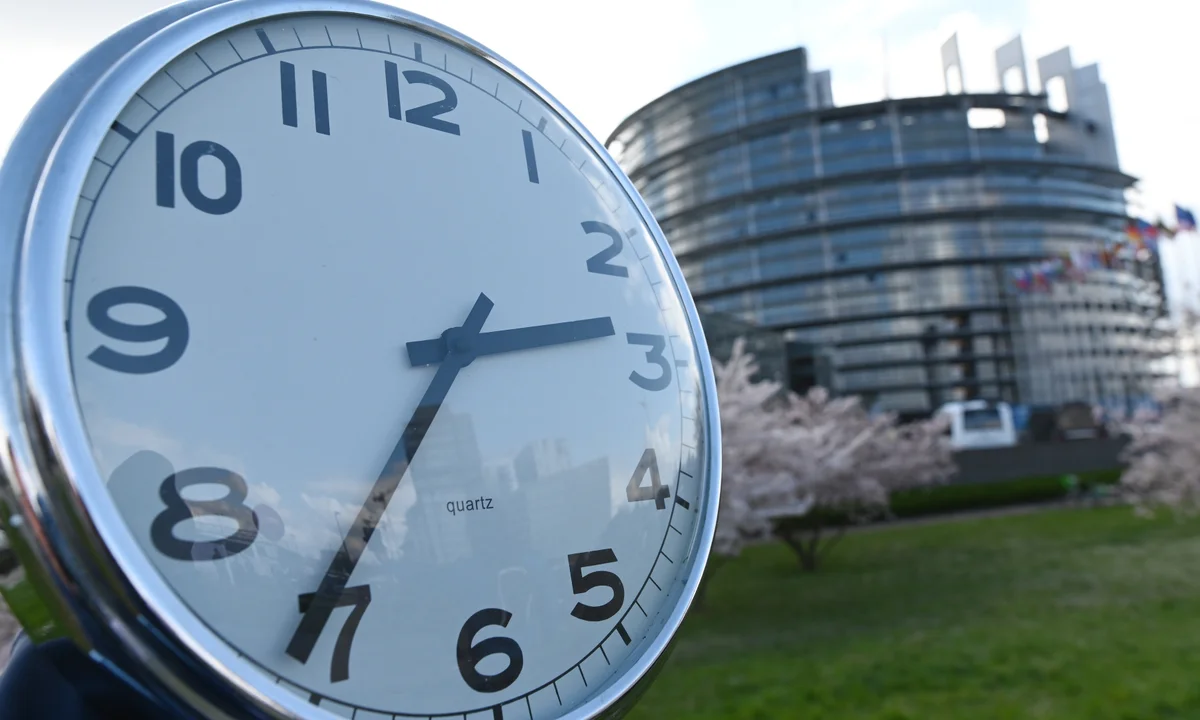
Twice every year, millions of Europeans adjust their clocks. In spring, the clocks move forward by one hour, while in autumn they move back again. For many people, it has become a routine part of life. Yet for several years there has been ongoing discussion about whether Europe should abandon the practice altogether. The question remains: will this be the last year we change the clocks?
Why Do We Change the Clocks?
Daylight Saving Time was originally introduced to make better use of daylight and reduce energy consumption. The concept became more widely adopted during the 20th century and was further promoted during periods of energy shortages.
The practice was designed to provide longer daylight hours during summer evenings, encouraging outdoor activity and potentially reducing the need for artificial lighting. However, modern lifestyles and energy usage patterns have led many experts to question whether the benefits are still significant.
The EU’s Plan to End Clock Changes
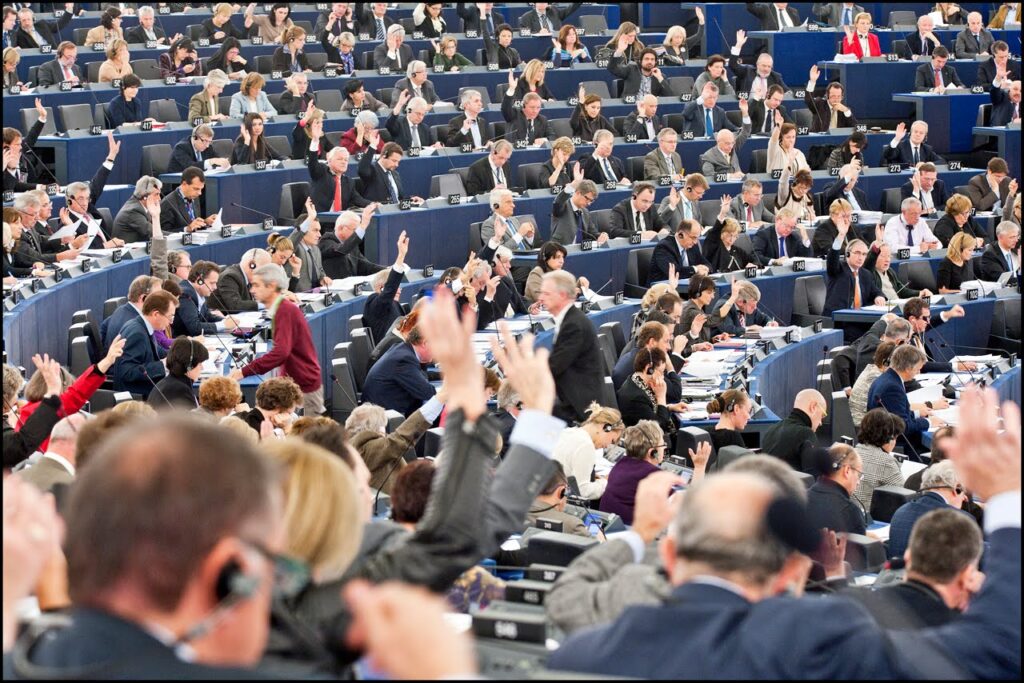
In 2018, the European Commission launched a public consultation that attracted millions of responses. A large majority of participants supported ending the twice-yearly clock changes. Following this, the European Parliament voted in 2019 in favour of abolishing seasonal time changes across the European Union.
The original intention was to stop changing clocks by 2021, allowing each member state to choose either permanent summer time or permanent winter time. However, the proposal stalled because EU countries could not agree on a coordinated approach. Concerns were raised about the impact on transport, trade, and time-zone alignment between neighbouring countries.
So, Will This Be the Last Year?
At present, there is no confirmed decision to end Daylight Saving Time. Although the proposal remains under discussion, EU member states have not reached an agreement and no implementation date has been established.
As things stand, Europeans will continue changing their clocks twice a year for the foreseeable future. While the debate remains active and there is renewed political interest in the topic, there is currently no indication that this year’s clock change will be the last.
What Would Happen if Clock Changes Were Abolished?
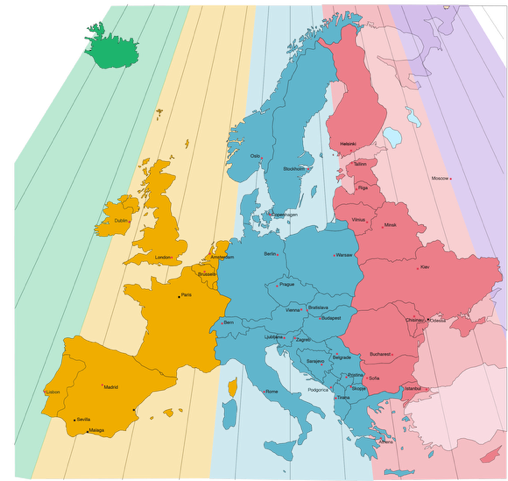
If the EU eventually decides to end seasonal clock changes, each country would need to choose between permanent summer time and permanent winter time.
Permanent summer time would provide more daylight during the evenings throughout the year. Many tourism, hospitality, and leisure businesses support this option because it encourages people to spend more time outdoors after work.
Permanent winter time would provide earlier sunrises during winter months. Supporters argue that this option better aligns with natural daylight patterns and may be more beneficial for sleep and overall wellbeing.
Health and Lifestyle Effects
One of the strongest arguments for ending clock changes relates to health and wellbeing. Many people report feeling tired or experiencing disrupted sleep for several days following the spring time change.
Researchers have studied the effects of seasonal clock changes on sleep patterns, concentration, productivity, and general health. Supporters of abolishing the practice argue that maintaining a consistent time throughout the year would reduce disruption and help people maintain more stable daily routines.
What Could It Mean for Malta?
For Malta, the decision could affect everything from tourism and business schedules to everyday life. Longer summer evenings would be welcomed by many residents and visitors alike, particularly during the winter months when daylight hours are shorter.
On the other hand, darker winter mornings could affect school commutes and daily routines. As an island heavily connected to the rest of Europe, Malta would also need to coordinate its chosen time system with neighbouring countries and key trading partners.
A Debate That Continues
Despite widespread public support for ending seasonal clock changes, the issue remains unresolved. More than seven years after the European Parliament first approved plans to abolish the practice, Europeans are still adjusting their clocks every March and October.
For now, the tradition continues. Whether Europe eventually chooses permanent summer time, permanent winter time, or keeps the current arrangement, the debate over Daylight Saving Time remains one of the most discussed topics affecting everyday life across the continent.
Only time will tell whether the next clock change becomes a piece of history or remains a familiar ritual for years to come.