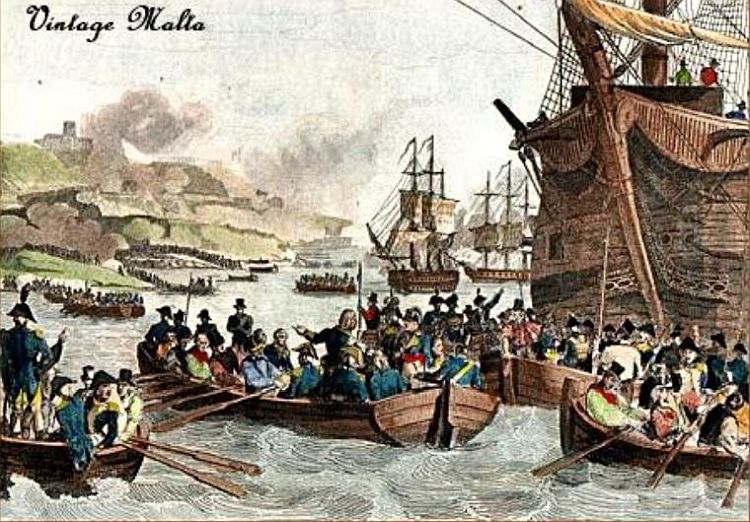
The French Era in Malta A Brief but Transformative Chapter
Table of Contents
ToggleIntroduction
The French era in Malta was brief yet deeply influential. Lasting from 1798 to 1800 it marked a turning point in Maltese history. In just two years the islands experienced radical political social and religious change. Although French rule ended quickly its impact shaped Maltese identity and paved the way for later developments under British rule.
Malta Before the French Arrival
Before the French arrived Malta was ruled by the Order of St John also known as the Knights Hospitaller. The Knights had governed the islands since 1530 and turned Malta into a fortified stronghold in the central Mediterranean. Over time their rule became increasingly unpopular among the local population. Power and wealth were concentrated in the hands of the Order while many Maltese faced poverty and limited political voice. By the late eighteenth century Enlightenment ideas were spreading across Europe and the authority of old institutions such as religious orders was being questioned.
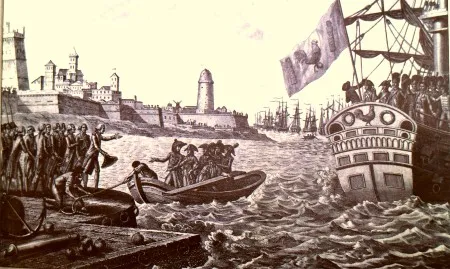
The Arrival of the French in 1798
In June 1798 French forces led by Napoleon Bonaparte arrived in Malta while on their way to Egypt. The Knights were bound by their rules not to fight fellow Christians which weakened their ability to resist. Within days the Order surrendered and French rule began. Many Maltese initially welcomed the French hoping for reform and relief from the rigid system imposed by the Knights.
French Reforms and New Ideas
The French administration quickly introduced sweeping reforms inspired by revolutionary France. Feudal privileges were abolished and all citizens were declared equal before the law. Slavery was ended and new civil institutions were created. The French also reorganized education and administration aiming to modernize Maltese society.
One of the most significant changes was the reduction of the power of the Church. Church property was seized to fund the French army and religious institutions lost many privileges. While these measures reflected revolutionary ideals they clashed strongly with the deeply rooted Catholic faith of the Maltese people.
Growing Maltese Resistance
Support for the French soon turned into resentment. Heavy taxation the seizure of Church wealth and food shortages caused widespread anger. Many Maltese felt that the French had replaced one foreign ruler with another. In September 1798 an uprising began in Mdina and spread across the countryside. Maltese forces supported by local leaders managed to confine the French to fortified areas including Valletta and the Three Cities.
The rebellion was largely organized by villagers and clergy who defended their faith and traditions. Although poorly armed they were determined and resourceful. This resistance marked one of the earliest expressions of a united Maltese national consciousness.
Foreign Intervention and the End of French Rule
Unable to defeat the French alone the Maltese sought help from foreign powers. Britain Naples and Portugal provided support but it was the British navy that played the decisive role. A naval blockade cut off French supplies leading to hunger and disease among the occupying forces.
In September 1800 the French finally surrendered. British forces entered Valletta and the French era in Malta came to an end. While the Maltese had hoped to regain independence Malta soon became a British protectorate and later a colony.
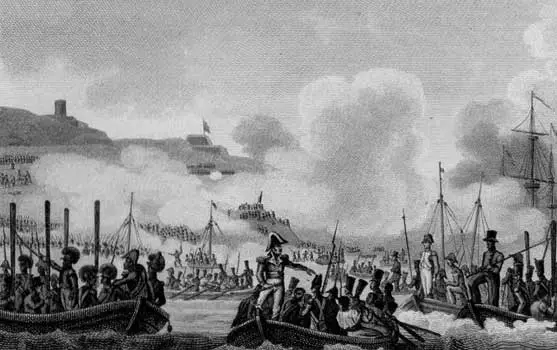
Lasting Impact of the French Era
Despite its short duration the French era left a lasting legacy. It introduced ideas of equality civil rights and national identity that continued to influence Maltese society. The experience of uprising and self organization strengthened the Maltese sense of unity. At the same time the events highlighted the importance of religion and tradition in Maltese life.
The French period also demonstrated Malta’s strategic importance in European politics. Control of the islands was clearly valuable and this reality shaped Maltas future under British rule.