Table of Contents
ToggleA Shared Responsibility Toward Our Furry Ones
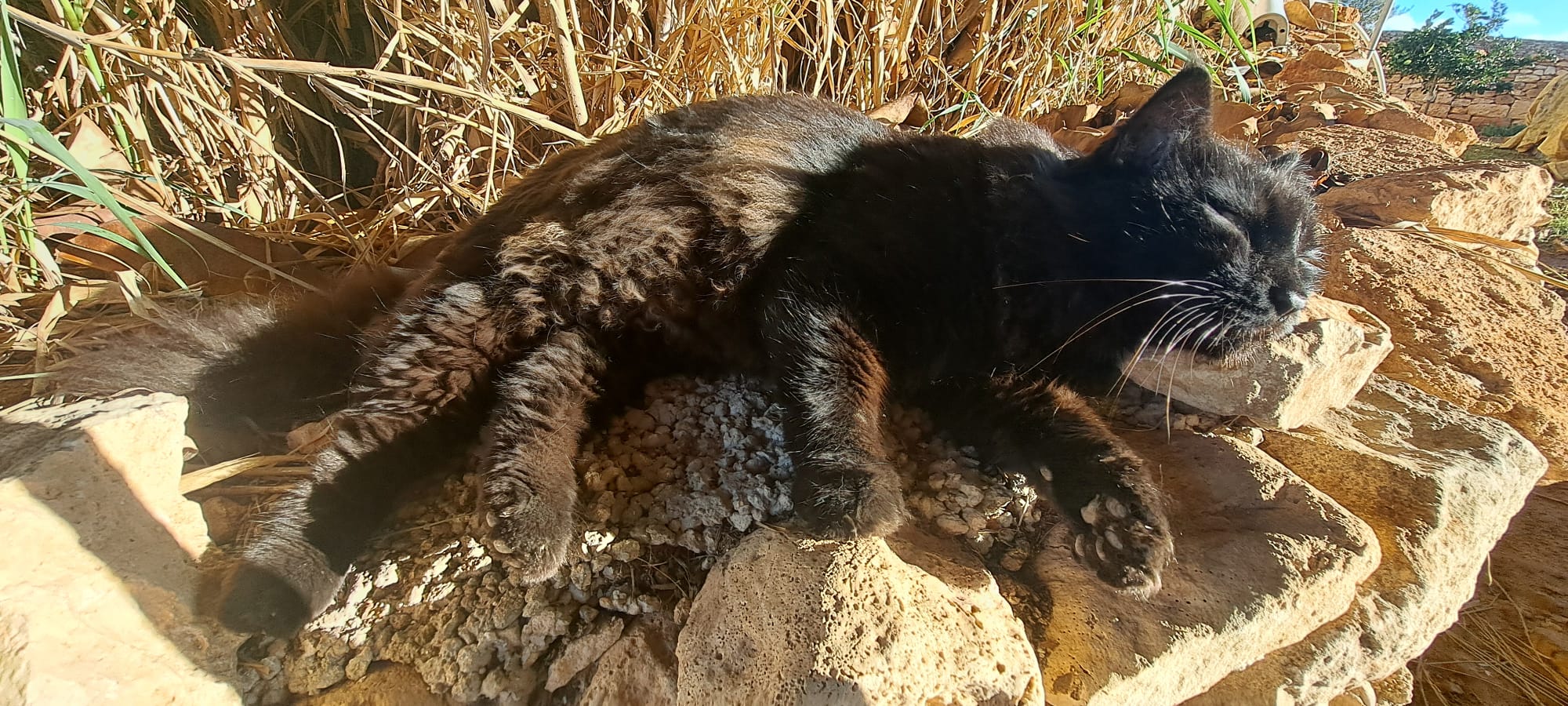
Across our streets villages and open countryside live countless stray cats and dogs. These animals did not choose life without shelter food or medical care. Most were born into it or abandoned through no fault of their own. Taking care of our furry ones is not simply an act of kindness. It is a responsibility that reflects the values of our community and our respect for life.
Stray animals play an unseen but important role in our shared environment. When they are healthy neutered and properly fed they live calmer lives and cause fewer problems for residents and wildlife. When neglected they suffer silently and their numbers can grow beyond control. Caring for them benefits everyone.
Why It Is Important to Care for Stray Cats and Dogs
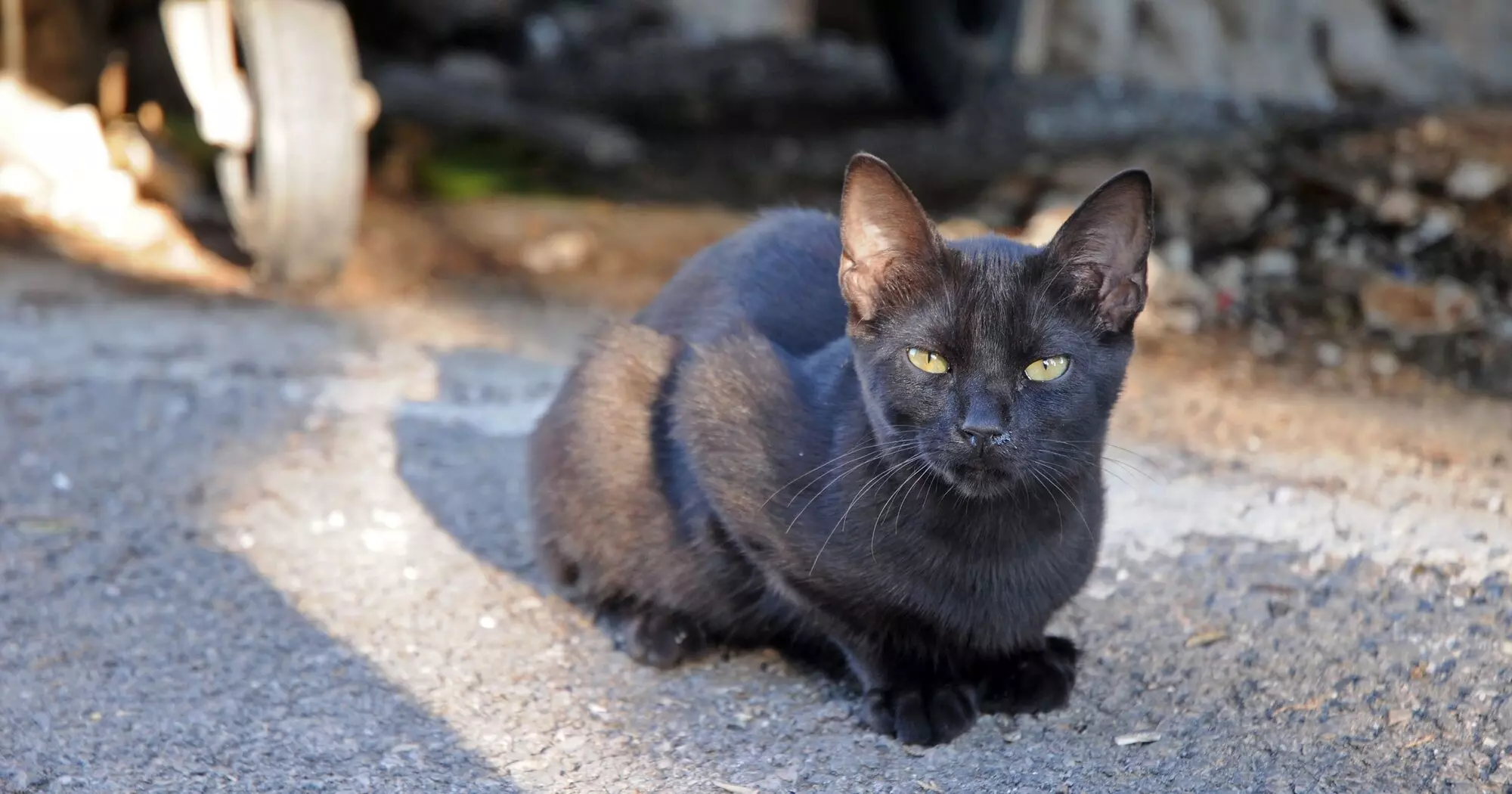
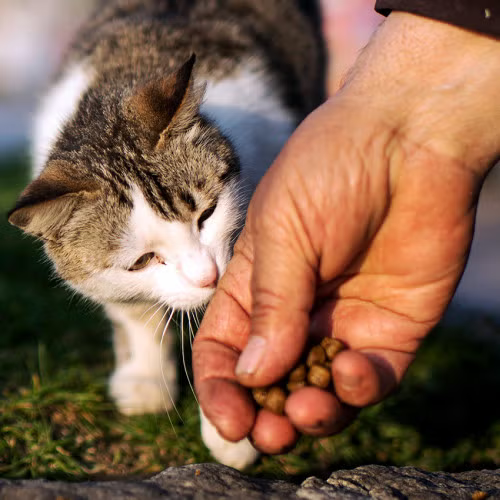
The most obvious reason is compassion. Cats and dogs feel hunger fear pain and loneliness just as any pet in a home does. Offering food water or medical help can be the difference between life and death. Even small actions like placing fresh water during hot months or calling for help when an animal is injured matter greatly.
There is also a public health aspect. Healthy managed colonies of cats and monitored groups of stray dogs reduce the spread of disease and prevent aggressive behavior caused by hunger or fear. Neutered animals are less likely to roam fight or multiply rapidly which keeps populations stable and manageable.
Caring for strays also builds stronger communities. When people come together to feed neuter or help animals find homes bonds are formed. Children learn empathy adults rediscover purpose and shared care replaces indifference.
The Real Difficulties Faced by Those Who Help
While the intention to help is strong the challenges are many. Feeding alone can be expensive especially when done daily. Food veterinary visits transport and basic supplies often come from personal funds. Those who help regularly do so quietly without expecting recognition and the costs add up.
Emotional difficulty is another challenge. Seeing animals sick injured or abandoned is heartbreaking. Not every story has a happy ending and burnout is a real risk. Letting go after fostering or saving a kitten and finding it a home brings joy but also emotional strain.
There are also practical obstacles. Not everyone understands or supports the care of stray animals. Feeders can face complaints misunderstandings or lack of cooperation even when their actions are responsible and humane. Access to neutering programs cages or transport can be limited and waiting lists are long.
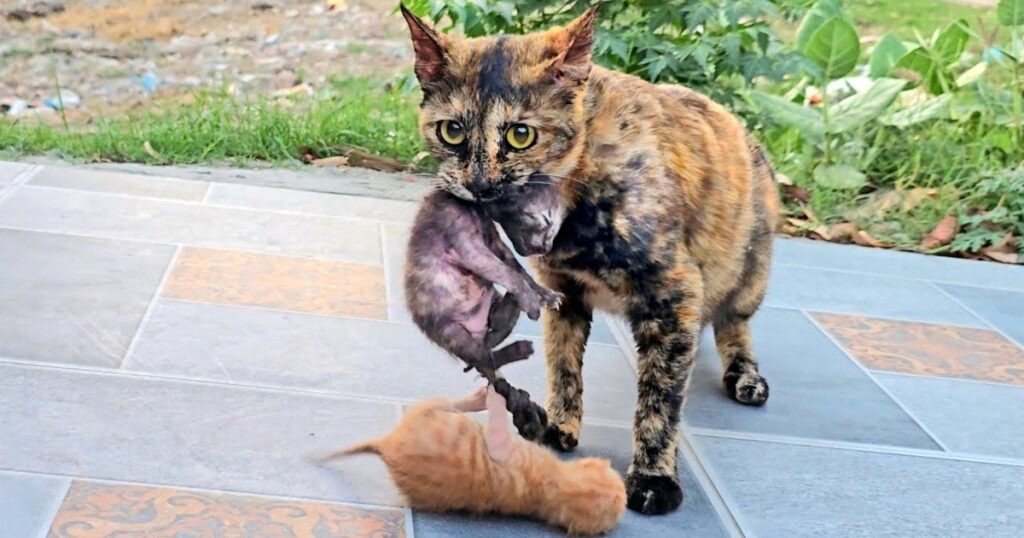
The Importance of Neutering and Why It Matters Most
Neutering is the single most effective way to reduce suffering among stray animals. One unneutered cat can lead to dozens more within a short time. Each new litter means more hunger more disease and more animals competing for the same limited resources.
Neutered cats and dogs live healthier lives. They are less likely to develop certain illnesses fight with other animals or wander into dangerous areas. Behavior improves significantly making them easier to manage within communities and increasing their chances of adoption.
Neutering is not about control but about care. It prevents future suffering before it begins. Those who trap cats for neutering transport them attend appointments and release them back into their area after recovery are performing one of the most valuable forms of animal welfare.
Best Feeding Practices for Stray Animals
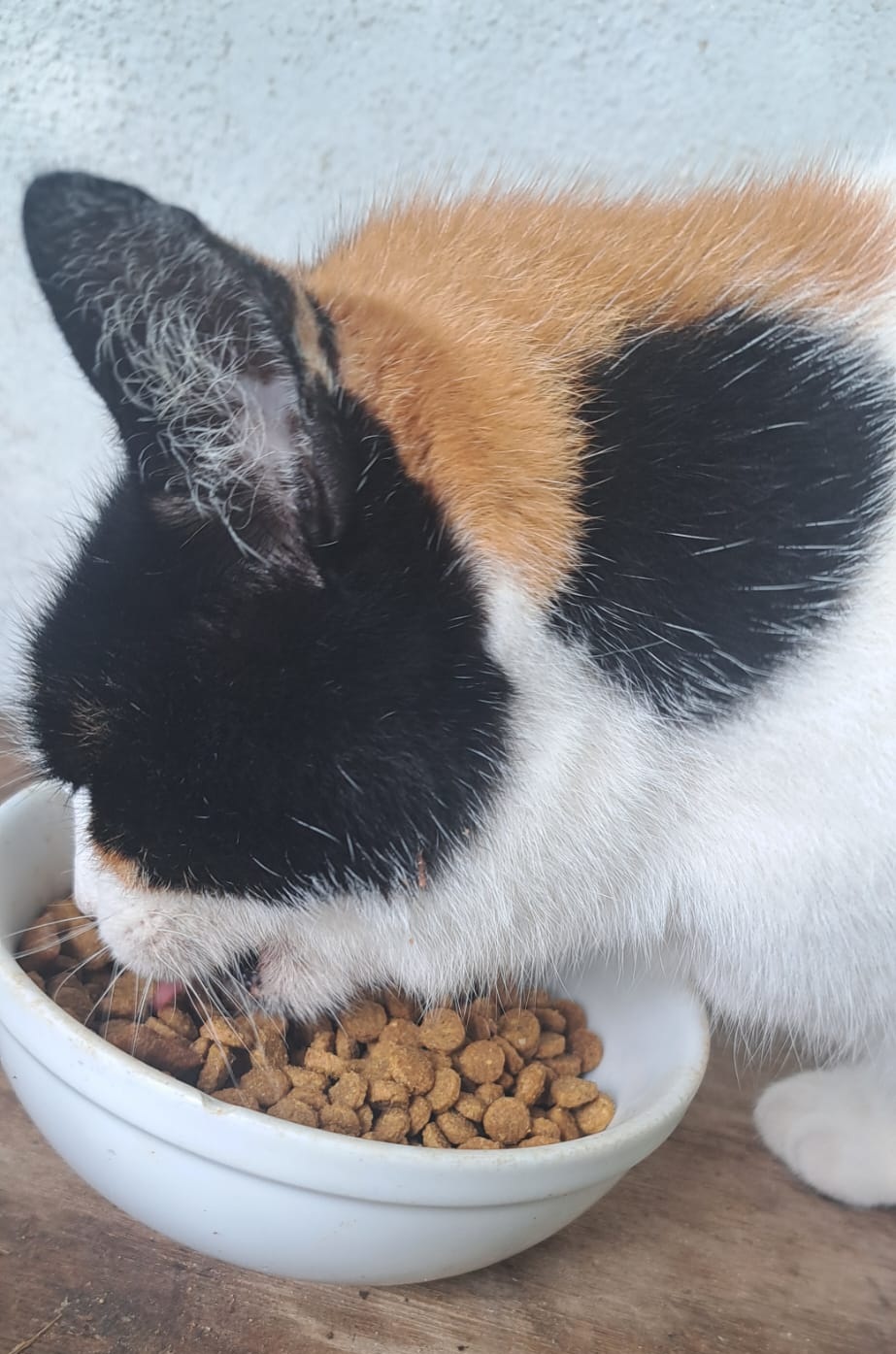
Feeding stray animals should always be done responsibly. Regular feeding times in clean areas help animals rely less on scavenging which reduces conflict and illness. Fresh water is just as important especially during warmer months.
Quality food supports better health and stronger immune systems. While not everyone can afford premium products choosing the best possible option within your means makes a difference. Dry food lasts longer and is practical while wet food provides hydration and is easier for kittens or older animals.
Clean bowls and tidying up after feeding are essential. This keeps areas sanitary and maintains goodwill with neighbors. Responsible feeding shows that care for animals can coexist respectfully within shared spaces.
Quiet Acts of Kindness That Make a Lasting Impact
Much of the most meaningful work for stray animals happens quietly. People who feed cats daily in their area trap and neuter when possible help sick animals and donate what they can do so out of genuine care not recognition. Walking dogs at shelters helping animals find homes or supporting sanctuaries in small ways all contribute to a larger mission.
These acts remind us that change does not always come from large campaigns. It often comes from individuals who notice a hungry cat an injured kitten or a lonely dog and decide to act.
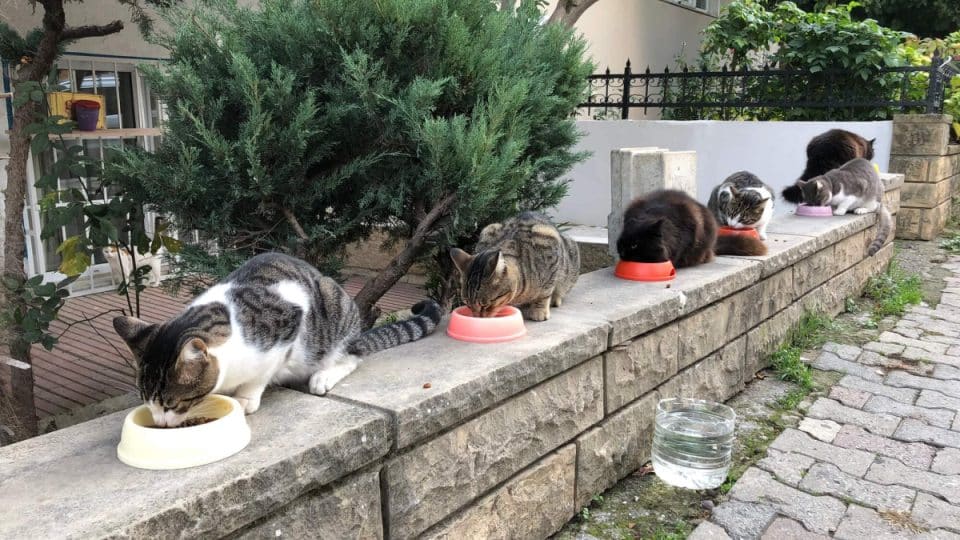
Looking after stray cats and dogs teaches us responsibility empathy and community spirit. It shows that caring for the most vulnerable among us is not an inconvenience but a reflection of who we are. This spirit is proudly shared by employees at Bluewaves who care for animals in the areas around them and continue to do so simply because it is the right thing to do.