Table of Contents
ToggleWhen Winter Came to the Mediterranean: Rabat’s Extraordinary Night of Ice
16th – 17th Jan 2026
From Mediterranean Mildness to White Streets: What Happened Overnight
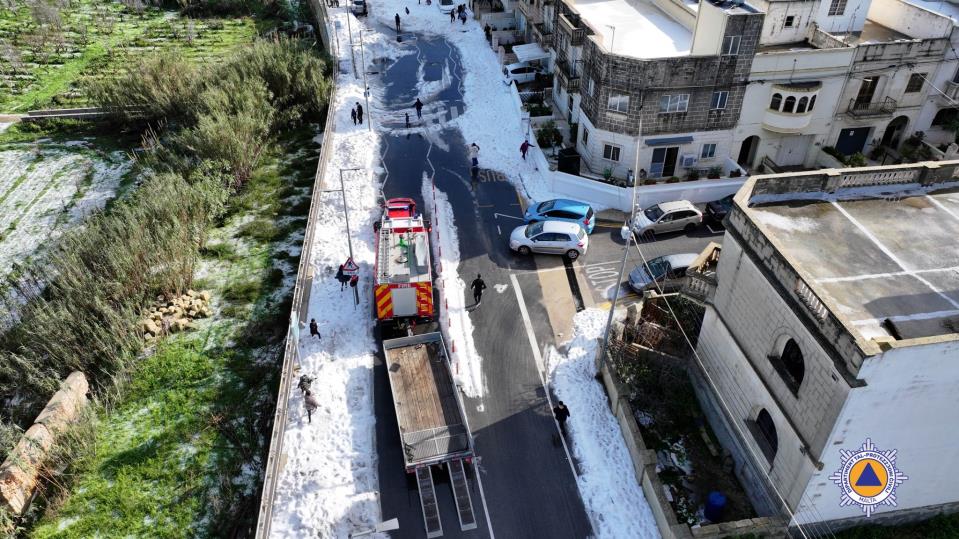
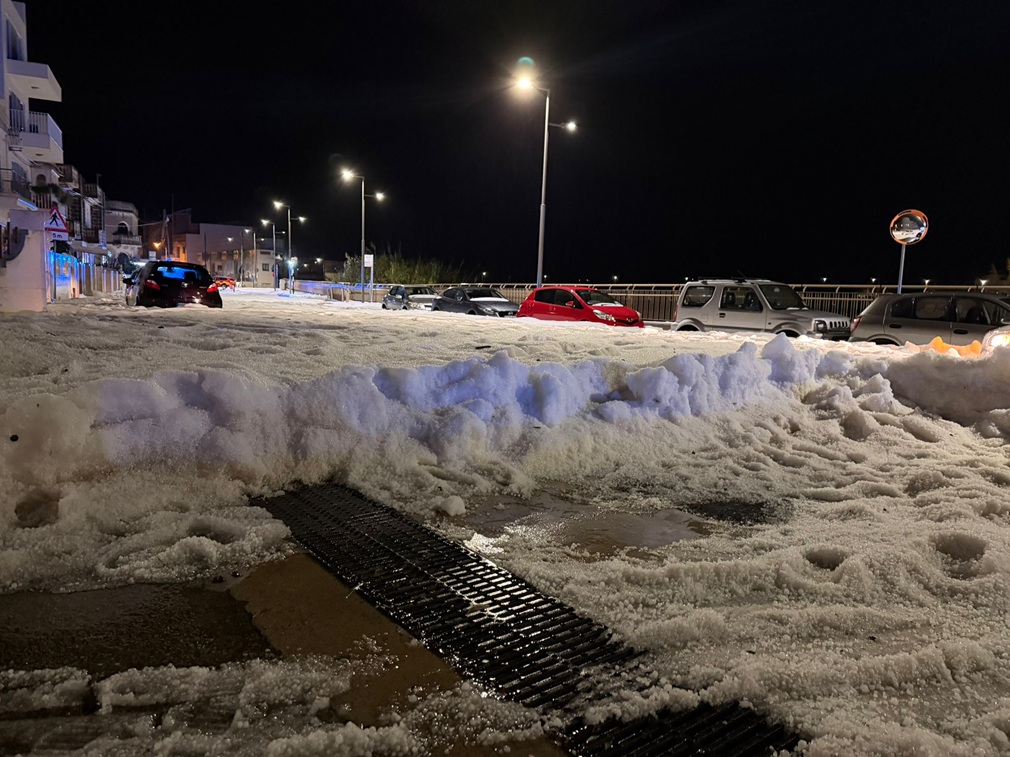
On the night of 16 to 17 January 2026, residents of Rabat, Malta woke up stunned to find their town transformed into a landscape rarely seen in these parts — streets, cars, and public squares blanketed in thick ice and hail. What many initially thought was snow was in fact a powerful and highly unusual hailstorm that dumped centimeters of ice across the area, turning familiar surroundings into something resembling a winter wonderland more typical of northern Europe than the Maltese Islands.
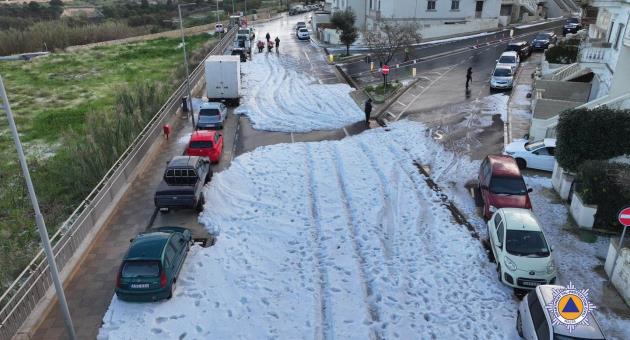
According to local reports and images shared early on Saturday morning, entire streets were coated in white. Vehicles struggled to navigate roads hidden beneath icy layers, and some residents described the scene as something out of a dream. People who ventured outside spoke of a surreal silence punctuated by the crunch of ice underfoot — a stark contrast to the usual pleasant January climate Malta experiences.
Local authorities quickly issued warnings. Civil Protection Malta urged caution, particularly for motorists, as the heavy accumulation of hail made travel dangerous. The weather forecast suggested that the storm system bringing the hail was accompanied by cloudy skies and would give way to more rain and wind in the days to follow, underscoring the volatile nature of this rare event.
Ice, Not Snow: Understanding the Phenomenon
To the untrained eye, Rabat’s white blanket looked like snow — and indeed many locals initially described it that way. But meteorologically speaking, what fell that night was hail, not traditional snowflakes. Hail forms during strong thunderstorms when updrafts carry raindrops into extremely cold layers of the atmosphere, freezing them into balls of ice before they fall to the ground. Even in winter months, such ice accumulation is highly unusual in Malta’s typical Mediterranean climate.
True snowfall — where snow crystals form and stick to the ground — is exceptionally rare on the Maltese Islands because winter temperatures usually stay well above freezing. The moderating influence of the surrounding Mediterranean Sea keeps winter lows mild compared to continental Europe.
A Rare Weather Event in Maltese History
When discussing ice and snow in Malta, it’s important to distinguish between genuine snow and hail events. Historical records show that actual snow — small flakes falling and sometimes settling — has been recorded only a handful of times over the last two centuries: in the mid-19th and early 20th centuries, and most notably on 31 January 1962, when up to 2–3 cm of snow reportedly covered parts of the island.
However, many surprising ice storms over the years have confused locals and visitors alike:
27 December 2008: A heavy hailstorm left areas of Valletta under up to two feet of ice.
30 December 2014: Soft hail or graupel gave the appearance of snowy streets briefly before melting.
25–28 November 2025: Strong storms produced significant hail across several localities.
These events show that while hailstorms with substantial accumulations are rare, they are not entirely unprecedented in Maltese weather history. Still, the 2026 event stands out for the visual impact it had on an urban setting like Rabat and the way it captured the public imagination.
Reactions from the Streets: Awe, Play, and Practical Challenges
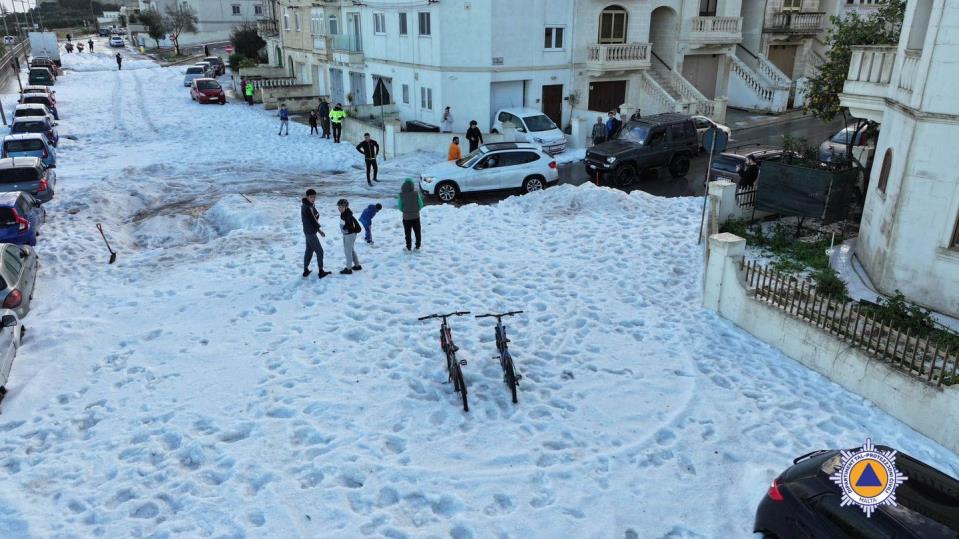
As images and video clips circulated on social media early Saturday, reactions ranged from joyful to bemused. Some residents seized the moment to make the most of the icy conditions: children were spotted playing in the hail, laughing and attempting to build snowmen, while others walked slowly, admiring the unusual scenery.
Yet the event wasn’t all fun and games. Commuters faced slippery, hazardous roads, and farmers in the countryside expressed concern about potential crop damage from the intense storm system. The abrupt switch from mild Mediterranean winter weather to icy conditions was a jolt to daily life and a reminder of how quickly extreme weather can disrupt routines.
What This Means for Malta’s Climate Narrative
Rabat’s icy morning stirred curiosity about whether Malta might be seeing new extremes in its climate patterns. While isolated hailstorms and rare ice events have historical precedence, the dramatic look and community reaction make the January 2026 incident a cultural moment as much as a meteorological one.
Malta’s winters remain generally mild, and widespread snow is not expected to become a regular feature of the climate. But events like this highlight the variability that storm systems can bring, especially as global weather patterns shift and change over time.
For now, the frozen streets of Rabat on that January morning will live on in local memory and photo albums — a reminder that even in the warmth of the Mediterranean, winter can surprise us.