Table of Contents
ToggleOlive Oil in Malta: Liquid Gold from the Heart of the Mediterranean
A Tradition Rooted in Antiquity
Olive oil in Malta is more than a kitchen staple—it is a living link to the island’s ancient past. Archaeological evidence suggests that olive trees were cultivated here as far back as Roman times, when Malta was an important Mediterranean crossroads. Over centuries of Phoenician, Roman, Arab, and European influence, olive oil remained a constant, valued for nourishment, medicine, and ritual. Today, that legacy continues as Maltese producers revive old groves and plant new ones, reconnecting the island to a tradition that once flourished across its terraced countryside.
The Maltese Landscape and Climate
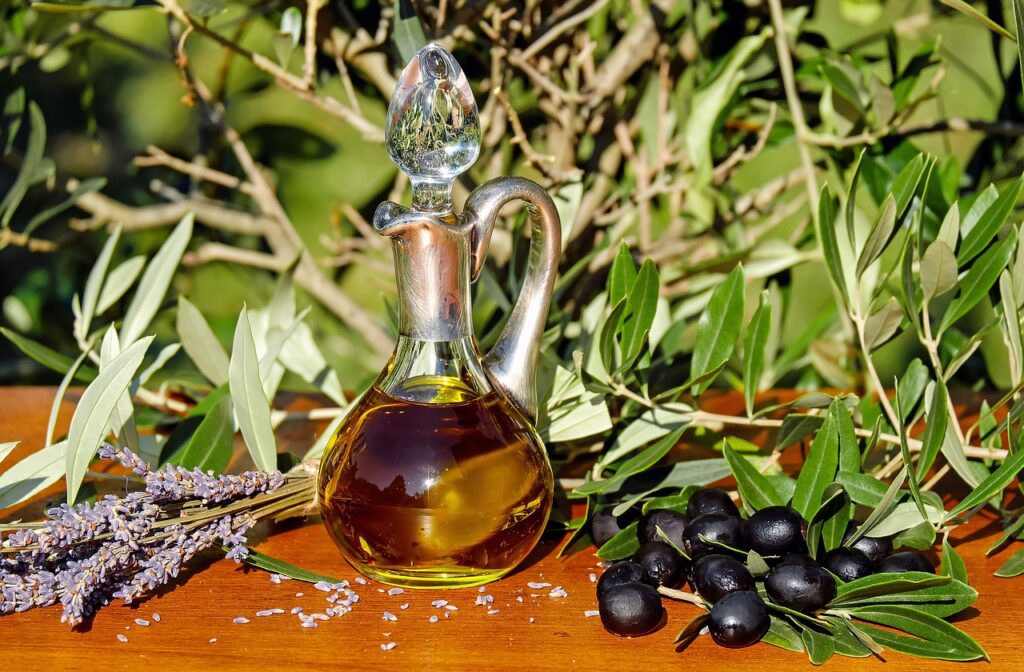
Malta’s distinctive environment plays a crucial role in shaping its olive oil. The islands enjoy long, sun-drenched summers, mild winters, and cooling sea breezes from every direction. This Mediterranean climate encourages slow, steady olive ripening, concentrating aromas and flavors in the fruit. The limestone-rich soil, though challenging for many crops, is well suited to olive trees, which thrive in poor, well-drained ground. These natural conditions give Maltese olive oil a character that reflects the land itself—robust yet balanced, with a clear sense of place.
Indigenous Olive Varieties
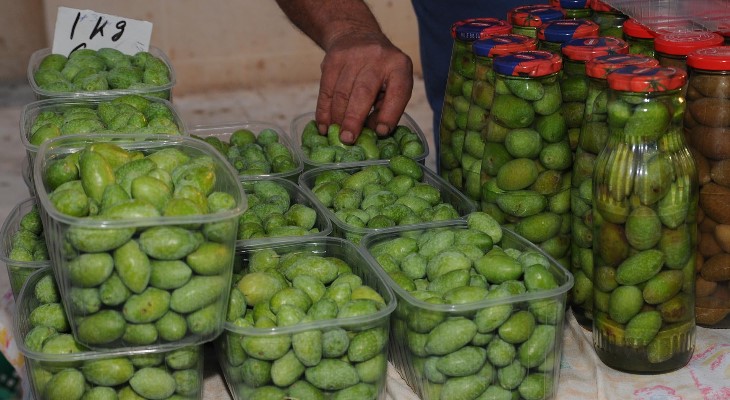
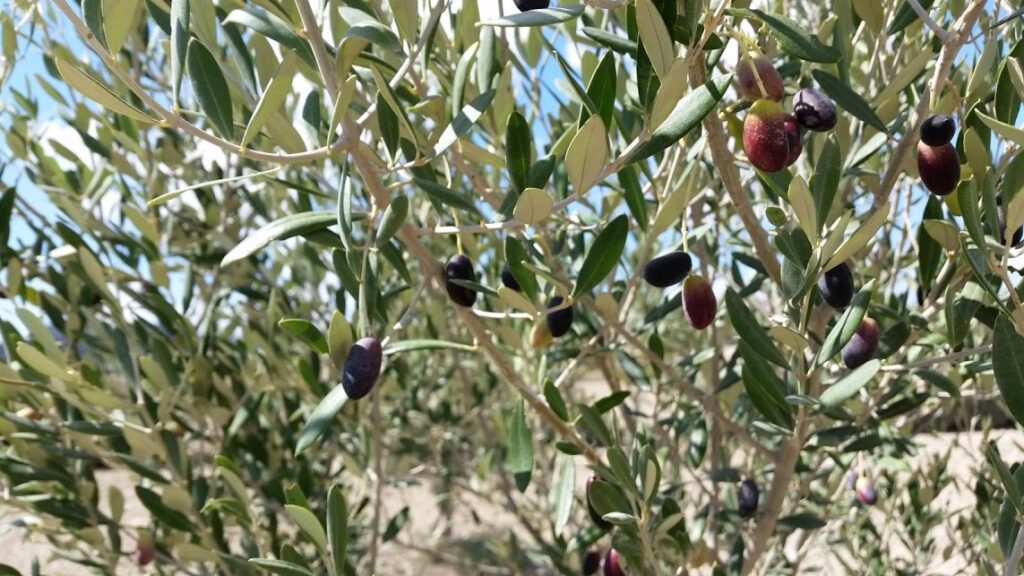
One of the most exciting aspects of Maltese olive oil is the revival of indigenous olive varieties. For many years, these local cultivars were neglected in favor of higher-yield foreign trees. Recently, however, farmers and researchers have rediscovered ancient Maltese varieties that are uniquely adapted to the islands’ climate. These olives tend to be smaller and less productive, but they produce oil of remarkable quality. The result is extra virgin olive oil with distinctive grassy notes, gentle bitterness, and a peppery finish that lingers pleasantly on the palate.
Harvesting and Production Methods
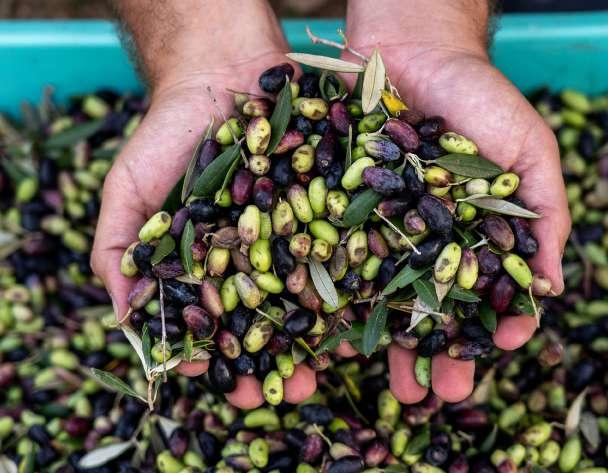
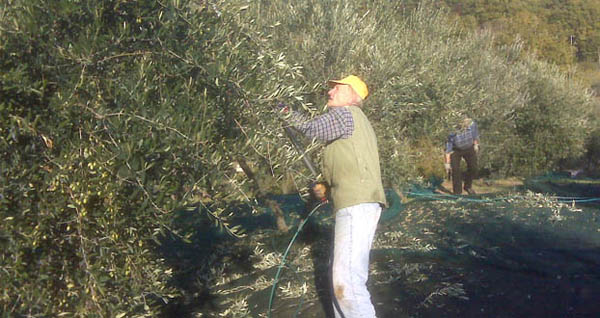
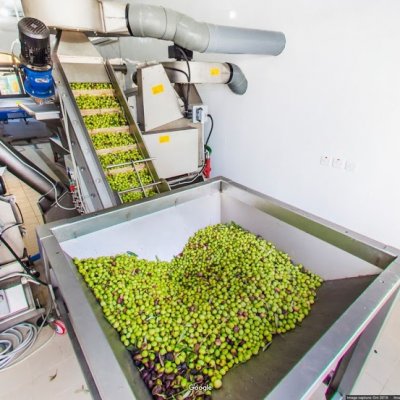
Olive harvesting in Malta is typically done between October and December, depending on weather conditions and desired flavor profiles. Many producers harvest early to preserve freshness and antioxidants, even though this reduces yield. Olives are often hand-picked or gently raked to avoid bruising, then transported quickly to local mills. Modern cold-pressing techniques are widely used, ensuring that temperatures remain low during extraction.
This careful process protects the oil’s aroma, color, and nutritional value, producing oils that meet high international standards while respecting traditional practices.
Flavor Profile and Culinary Uses
Maltese olive oil is prized for its versatility in the kitchen. It commonly features notes of green almond, fresh herbs, and artichoke, with a mild to medium fruitiness. This makes it ideal for both raw and cooked applications. Drizzled over crusty bread, it shines as a simple appetizer. It enhances local dishes such as vegetable stews, seafood, and pasta, and pairs beautifully with tomatoes, capers, and fresh cheese. Its balanced profile also suits modern cuisine, where clean, expressive ingredients are celebrated.
Health Benefits and Nutritional Value
Like other high-quality extra virgin olive oils, Maltese olive oil is rich in monounsaturated fats and natural antioxidants. These compounds are associated with heart health, reduced inflammation, and overall wellbeing. The oil’s polyphenols, responsible for its slight bitterness and peppery kick, are particularly valued for their protective properties. Because many Maltese producers prioritize freshness and minimal processing, their oils often retain higher levels of these beneficial components, making them as nutritious as they are flavorful.
A Growing Industry with Global Recognition
Although Malta’s olive oil production remains small compared to major producing countries, its reputation is steadily growing. Local oils have begun to win awards in international competitions, drawing attention to the islands as a niche producer of premium extra virgin olive oil. Agritourism also plays a role, with visitors increasingly interested in olive grove tours, tastings, and farm-to-table experiences. This growing recognition encourages sustainable farming practices and supports rural communities across the islands.
Olive oil in Malta represents a successful blend of heritage and innovation. By preserving ancient trees, reviving indigenous varieties, and embracing modern quality standards, Maltese producers are safeguarding a vital part of their cultural identity. Each bottle tells a story of resilience, climate, and craftsmanship. For locals and visitors alike, Maltese olive oil offers an authentic taste of the Mediterranean—one that honors the past while looking confidently toward the future.