
Table of Contents
TogglePhoto – Sue Volpe’s Facebook’s post
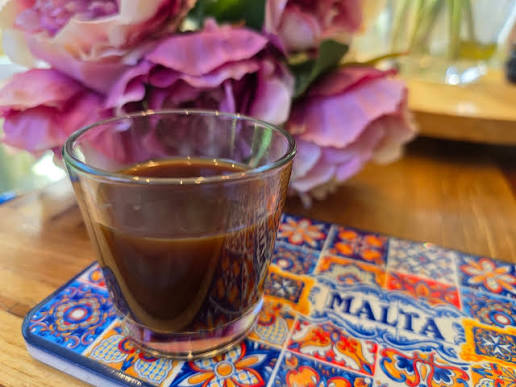
Coffee has long been part of daily life in Malta. Whether enjoyed first thing in the morning, after a leisurely lunch, or during a chat with friends at a village café, coffee occupies a special place in Maltese culture. While modern coffee shops and international trends have introduced new styles and flavours, traditional Maltese coffee remains a beloved reminder of the island’s rich culinary heritage.
Rich, aromatic, and infused with distinctive spices, Maltese coffee offers a unique experience that reflects centuries of Mediterranean influences.
The Origins of Coffee in Malta
Malta’s strategic location at the heart of the Mediterranean made it a crossroads for merchants, travellers, and cultures. Through centuries of trade and interaction with neighbouring regions, coffee became an established part of Maltese life.
The islands absorbed culinary influences from Europe, North Africa, and the Middle East, each contributing to local food and drink traditions. Coffee gradually evolved into a popular beverage enjoyed by people from all walks of life, from bustling market traders to families gathered around the kitchen table.
Over time, Maltese households developed their own methods of preparing coffee, creating flavours that differed from those found elsewhere in Europe.
What Makes Maltese Coffee Special?
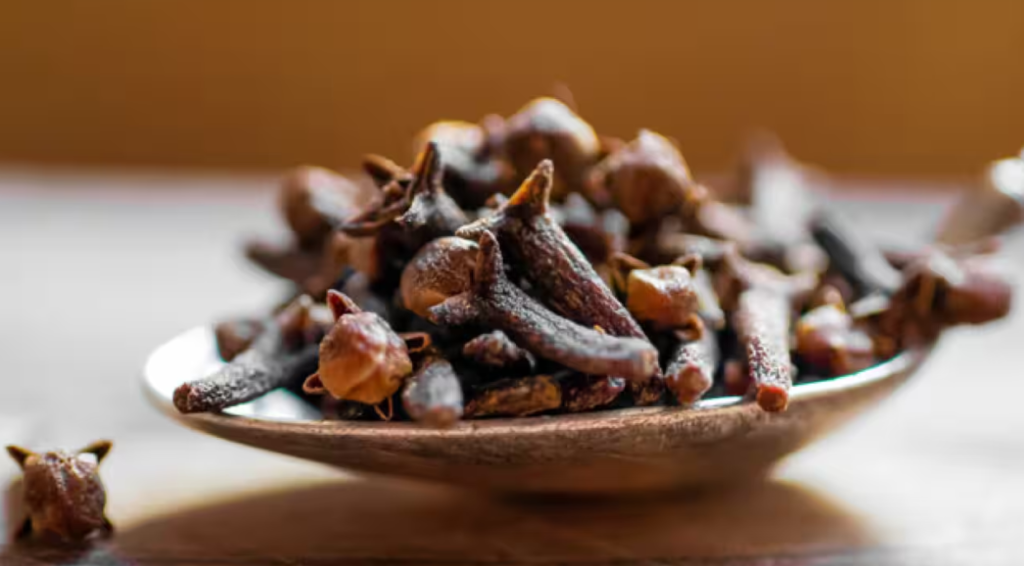
Traditional Maltese coffee is most famous for its distinctive blend of spices. Unlike a standard cup of coffee, it is often infused with ingredients such as aniseed, cloves, chicory, and citrus peel. These additions create a rich aroma and a flavour profile that is both comforting and memorable.
The combination of coffee and spice gives the drink a unique character. The warmth of cloves, the sweetness of aniseed, and the freshness of citrus combine to produce a beverage that feels both familiar and exotic.
Many traditional recipes are closely guarded family secrets, with slight variations passed down through generations. This personal touch has helped preserve the authenticity of Maltese coffee for decades.
A Social Tradition
Coffee in Malta has always been about more than just the drink itself. It serves as a reason to gather, converse, and relax.
Village cafés have historically been important social hubs where friends meet to discuss local news, sports, politics, and everyday life. A simple cup of coffee often becomes an opportunity for connection and community.
In family homes, coffee is frequently offered to guests as a gesture of hospitality. Whether welcoming neighbours, relatives, or visitors, serving coffee remains a symbol of warmth and friendship.
This strong social element continues to define Malta’s coffee culture today.
From Traditional Kitchens to Modern Cafés
In recent years, Malta has experienced a growing appreciation for specialty coffee. Modern cafés now offer espresso-based drinks, artisan roasts, and brewing techniques from around the world.
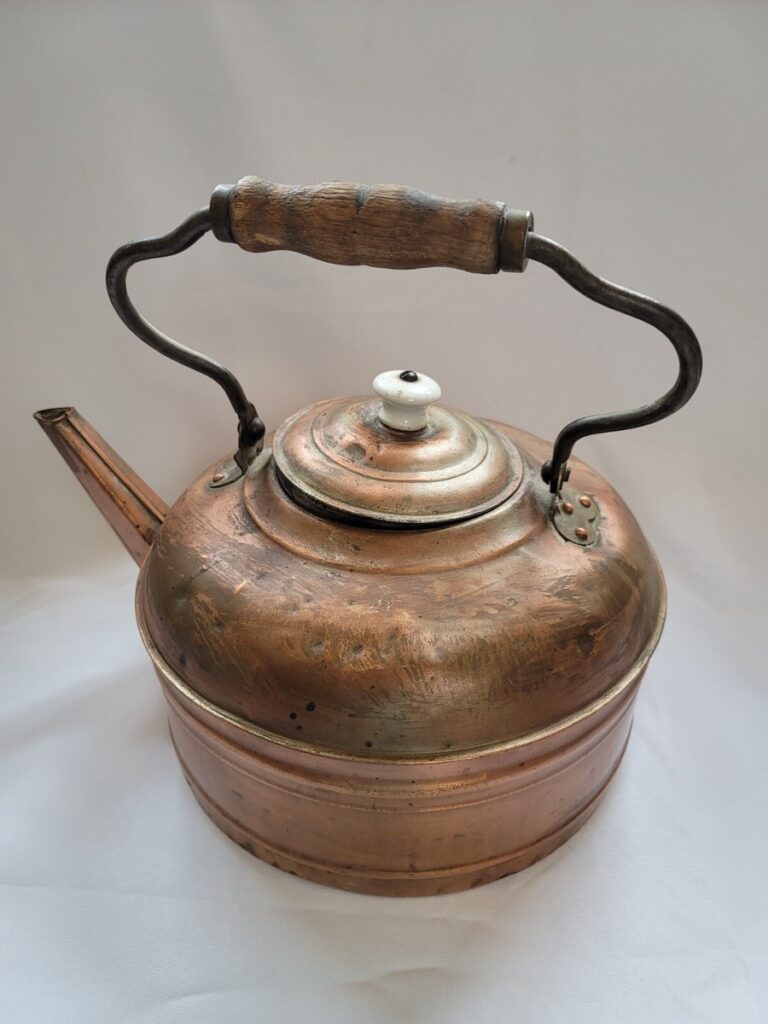
Despite these changing trends, traditional Maltese coffee has not disappeared. Many cafés and households continue to prepare the classic spiced version, ensuring that local customs remain an important part of the island’s culinary identity.
Younger generations are increasingly discovering traditional recipes, combining an appreciation for modern coffee culture with a renewed interest in local heritage.
A Taste of Maltese Heritage
What makes Maltese coffee truly special is its ability to connect people with the past. Every cup tells a story of cultural exchange, family traditions, and the everyday rituals that have shaped Maltese life for generations.
The drink represents the blending of influences that characterises the Maltese Islands themselves: European, Mediterranean, and Middle Eastern traditions brought together into something uniquely Maltese.