Table of Contents
ToggleA Taste of the Mediterranean: Discovering Maltese Seafood Traditions
The Maltese Islands sit at the very heart of the Mediterranean, where crystal-clear waters, ancient trade routes, and centuries of cultural exchange have shaped a cuisine that is both humble and deeply flavorful. Among Malta’s greatest culinary treasures is its seafood—fresh, seasonal, and prepared with a simplicity that allows the sea itself to shine. Maltese seafood cuisine is not just about eating fish; it is about history, community, and a profound respect for nature.
The Mediterranean Sea as Malta’s Pantry
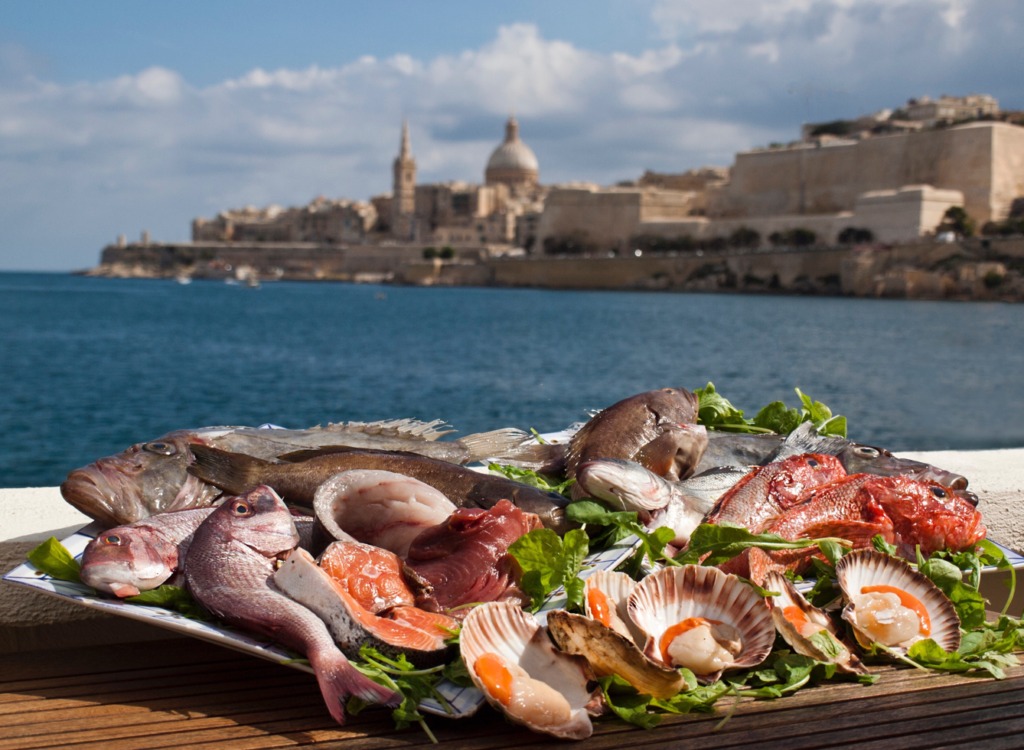
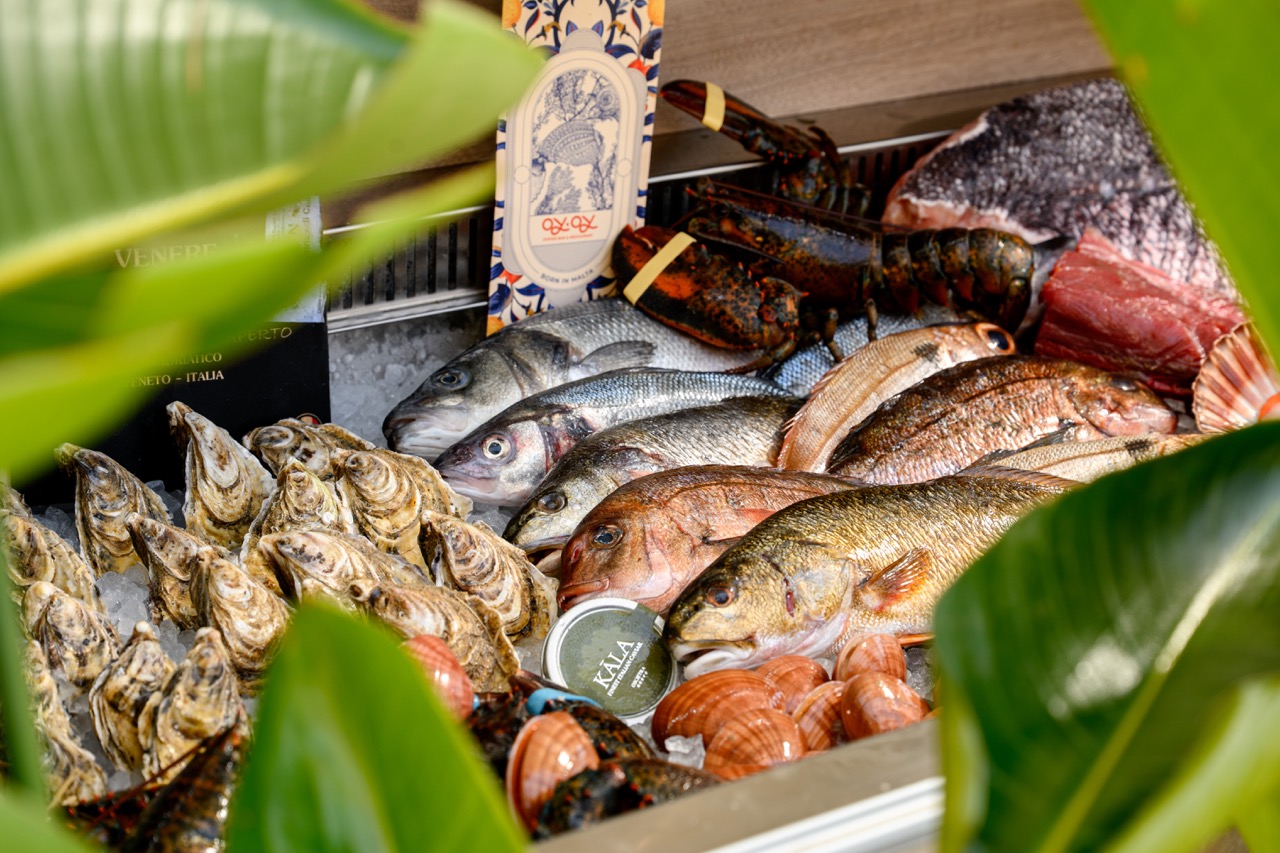
For generations, the Mediterranean Sea has been Malta’s primary pantry. The islands’ rocky coastline and small fishing villages fostered a close relationship between locals and the sea. Fishermen head out early in the morning, returning with the day’s catch—lampuki (dolphinfish), swordfish, octopus, tuna, sea bream, and prawns—often sold within hours at local markets or cooked the same day at home.
What defines Maltese seafood is freshness. Because Malta is small, seafood rarely travels far. This immediacy means recipes are designed to enhance, not mask, natural flavors. Olive oil, garlic, tomatoes, capers, herbs, and a squeeze of lemon are usually all that is needed.
Signature Maltese Seafood Dishes
Maltese seafood dishes reflect the islands’ practical roots and Mediterranean soul. One of the most iconic is lampuki pie, a savory pastry traditionally prepared during lampuki season in autumn. The fish is mixed with spinach, olives, capers, onions, and tomatoes, then baked into a golden crust that balances richness and freshness.
Another beloved staple is aljotta, a traditional fish soup made with mixed fish, garlic, tomatoes, rice, and fresh herbs. Light yet deeply aromatic, aljotta is often served as a starter but can easily stand alone as a comforting meal.
Grilled swordfish is also central to Maltese cuisine. Typically marinated with olive oil, garlic, and herbs, then cooked over an open flame, it highlights Malta’s preference for clean, bold flavors without unnecessary complexity.
Simplicity Rooted in Tradition
Unlike heavily sauced or spiced cuisines, Maltese seafood celebrates restraint. This simplicity stems from both necessity and wisdom. Historically, fishing was unpredictable, and ingredients were limited. Over time, Maltese cooks perfected techniques that honored the catch rather than overshadowing it.
Olive oil is the backbone of most recipes, providing richness without heaviness. Tomatoes—often sun-ripened and intensely sweet—add acidity and color. Capers, olives, and anchovies bring salinity, echoing the sea itself. Fresh herbs like parsley, mint, and bay leaf offer brightness and balance.
Seasonal Eating and Sustainability
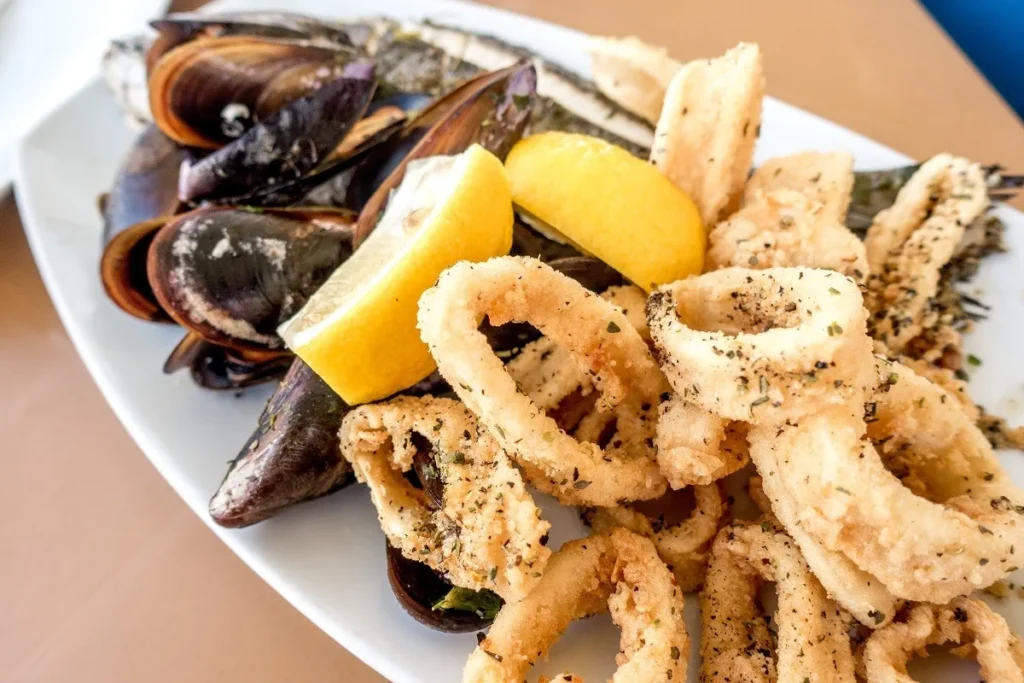
Seasonality plays a vital role in Maltese seafood culture. Certain fish are eaten only during specific months, respecting breeding cycles and natural rhythms. Lampuki season, for example, is eagerly anticipated each year, while octopus is most common in late summer.
This seasonal approach is not a modern trend in Malta—it is tradition. Today, as sustainability becomes increasingly important, Malta’s long-standing respect for the sea feels more relevant than ever. Local fishermen, small-scale markets, and family-run restaurants help preserve this balance, ensuring that future generations can continue to enjoy the Mediterranean’s bounty.
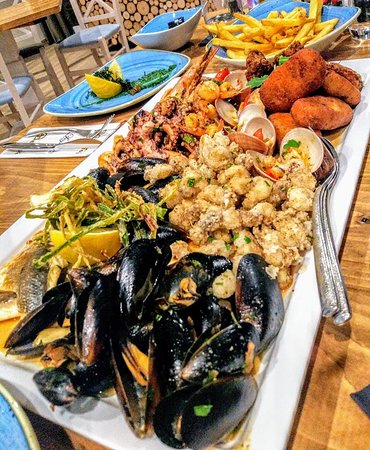
Seafood and Maltese Community Life
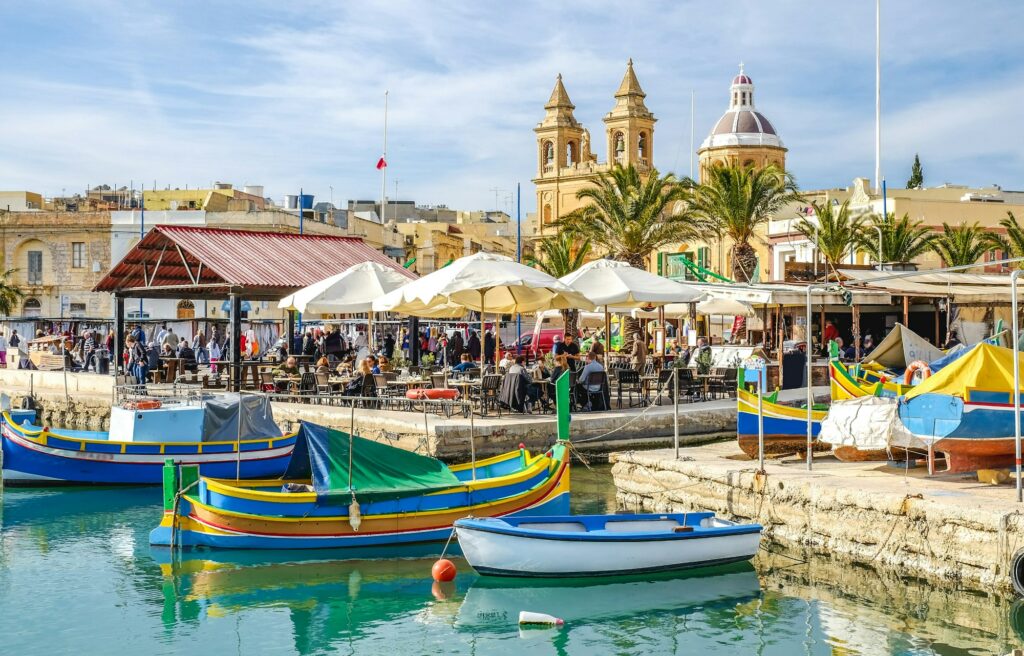
Seafood in Malta is inseparable from community. Family lunches often stretch for hours, with seafood at the center of the table. Village festas frequently feature seafood dishes, and seaside restaurants become gathering places where locals and visitors share plates, stories, and wine as the sun sets over the water.
Meals are rarely rushed. Eating seafood in Malta is about slowing down, appreciating craftsmanship, and connecting with others. This social element is as important as the food itself, turning simple ingredients into meaningful experiences.
A Living Mediterranean Heritage
Maltese seafood cuisine is a living expression of Mediterranean heritage—shaped by geography, history, and everyday life. Influences from Italian, North African, and wider Mediterranean cultures blend seamlessly with local traditions, creating dishes that feel both familiar and uniquely Maltese.
Whether enjoyed in a bustling harbor restaurant or prepared at home with freshly caught fish, Maltese seafood tells a story of resilience, respect, and deep connection to the sea. It reminds us that the best Mediterranean cooking is not about extravagance, but about quality, tradition, and letting nature lead the way.