Table of Contents
ToggleMaltese Honey: A Golden Tradition Rooted in History and Nature
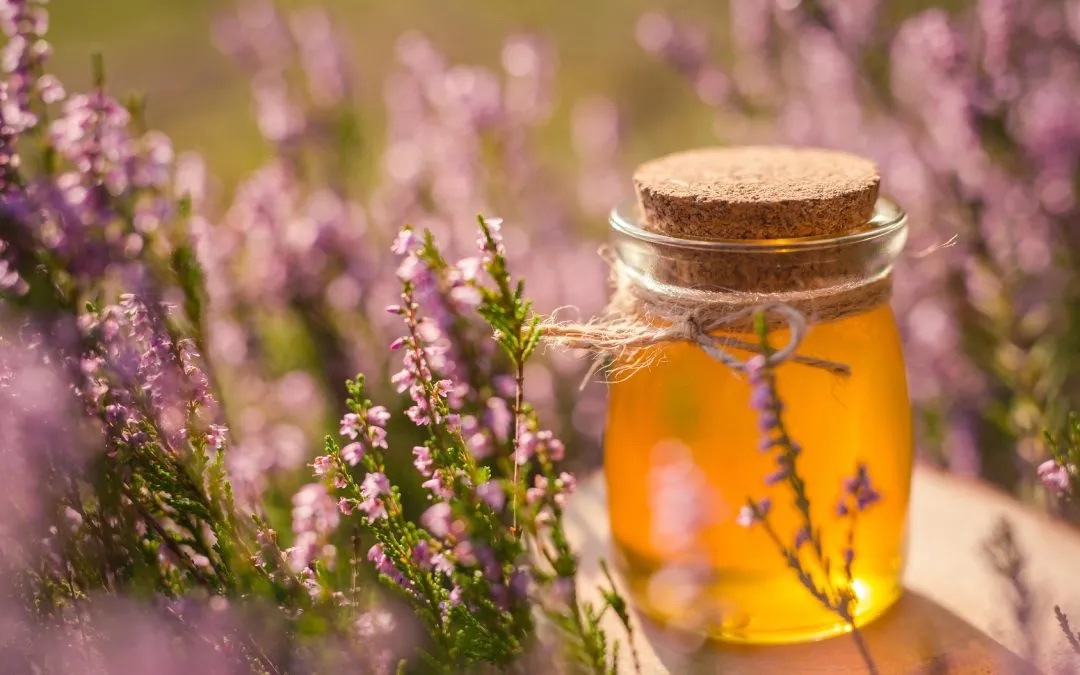
Maltese honey is far more than a natural sweetener; it is a symbol deeply woven into the island’s history, language, and rural life. Revered since antiquity for its flavour and medicinal qualities, honey has long been one of Malta’s most prized natural products. Shaped by the islands’ climate, flora, and centuries-old beekeeping traditions, Maltese honey reflects both the resilience of nature and the dedication of local beekeepers.
The Ancient Origins of Maltese Honey
The importance of honey in Malta dates back thousands of years. The very name “Malta” is widely believed to derive from the ancient word melita, meaning honey or sweetness. This connection highlights how central honey was to the island’s identity even in ancient times.
Phoenicians, Romans, and later Arab rulers all recognised the value of Maltese honey. Historical records suggest that honey was used not only as food but also as medicine, preservative, and offering. Roman writers praised Malta for the quality of its honey, noting its distinctive taste and aroma, which were influenced by the islands’ wild herbs and flowers.
Bees and the Maltese Landscape
Malta’s unique geography plays a crucial role in shaping its honey. Despite its small size, the islands boast a rich variety of wild flora, including thyme, carob, eucalyptus, citrus blossoms, and clover. These plants thrive in Malta’s dry summers, mild winters, and limestone-rich soil.
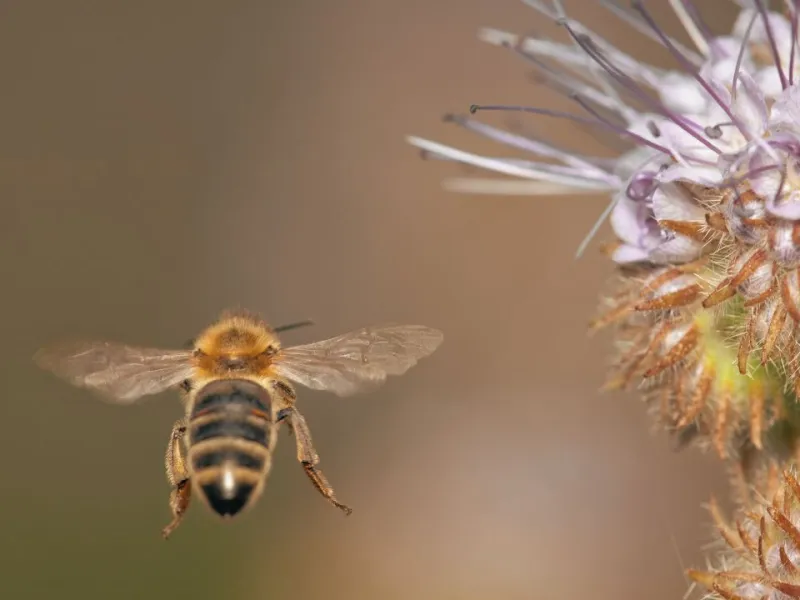
The Maltese honeybee, a subspecies adapted to the local climate, is particularly resilient to heat and drought. These bees forage across terraced fields, valleys, and coastal areas, collecting nectar that gives Maltese honey its intense flavour and dark golden colour. Seasonal changes in flowering plants also result in different types of honey throughout the year.

Traditional Beekeeping Practices
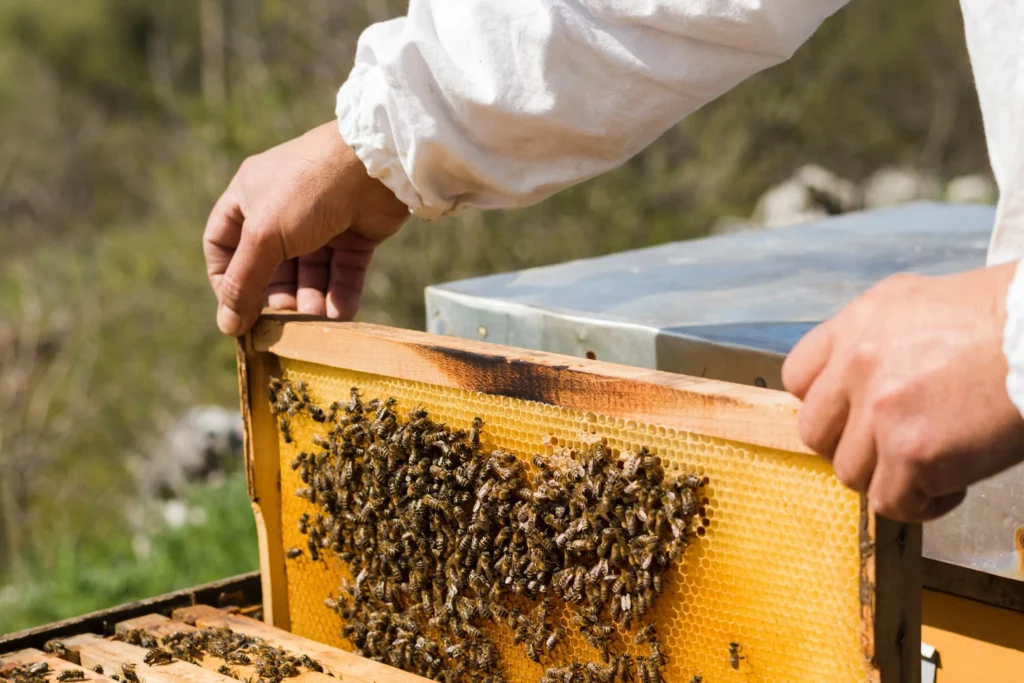
Beekeeping in Malta has historically been a rural craft, passed down through generations. Traditional hives were often made from clay or hollowed stone and placed near fields and gardens where wildflowers grew abundantly. Beekeepers relied on intimate knowledge of the land, weather patterns, and flowering cycles to manage their colonies.
Harvesting honey required patience and respect for the bees. Excess honey was carefully removed while ensuring enough remained for the colony’s survival. This sustainable approach helped maintain healthy bee populations long before modern environmental awareness.
Honey in Maltese Daily Life
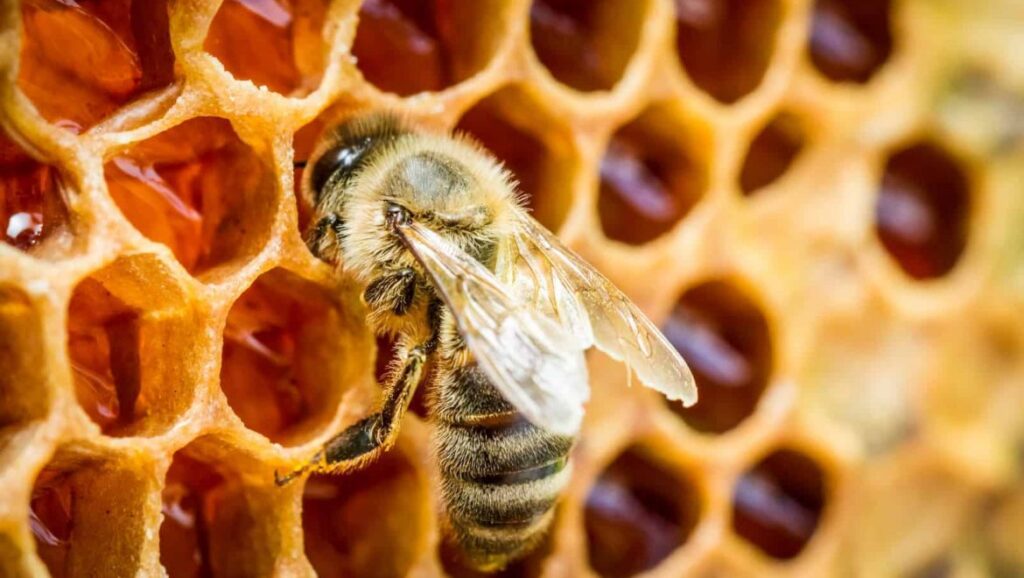
For centuries, honey was a staple in Maltese households. It was commonly used as a natural sweetener before sugar became widely available. Honey featured prominently in traditional remedies, believed to soothe sore throats, aid digestion, and boost overall health.
In Maltese cuisine, honey is closely associated with traditional sweets and festive foods. Pastries filled with honey, sesame seeds, and spices became especially popular during religious celebrations. Honey was also mixed with herbs to create syrups and tonics, reflecting its role as both nourishment and medicine.
Cultural and Symbolic Significance
Beyond its practical uses, honey held symbolic meaning in Maltese culture. It represented abundance, fertility, and divine blessing. Offering honey during celebrations or important life events was seen as a gesture of goodwill and prosperity.
Honey production was also a source of pride for rural communities. A successful harvest reflected harmony between humans and nature, reinforcing respect for the land and its cycles. This cultural value helped preserve beekeeping traditions even during periods of hardship.
Challenges Through the Centuries
Despite its long history, Maltese honey production has faced numerous challenges. Urban development, changes in agricultural practices, and the introduction of imported honey reduced demand for local varieties. Environmental pressures, including pesticide use and habitat loss, further threatened bee populations.
Climate change has added new difficulties, with irregular rainfall and extreme heat affecting flowering seasons and nectar availability. These challenges have made traditional beekeeping increasingly demanding, requiring adaptation and innovation.
Revival and Modern Beekeeping
In recent decades, there has been renewed interest in Maltese honey as consumers seek authentic, locally produced foods. Modern beekeepers combine traditional knowledge with contemporary techniques to protect bees and improve sustainability. Emphasis is placed on quality over quantity, preserving the distinctive character of Maltese honey.
Educational initiatives and awareness campaigns have also highlighted the importance of bees to biodiversity and food systems. As a result, Maltese honey is once again recognised as a valuable agricultural and cultural product rather than a simple commodity.
Maltese Honey Today
Today, Maltese honey is appreciated for its bold flavour, thick texture, and natural purity. Varieties differ depending on the season and dominant flowers, offering a range of tastes from mildly sweet to rich and aromatic. Local honey is often sought after for its traceability and connection to the land.
For Malta, honey remains a living link to the past. Each jar represents centuries of tradition, the labour of dedicated beekeepers, and the delicate balance of nature on the islands.