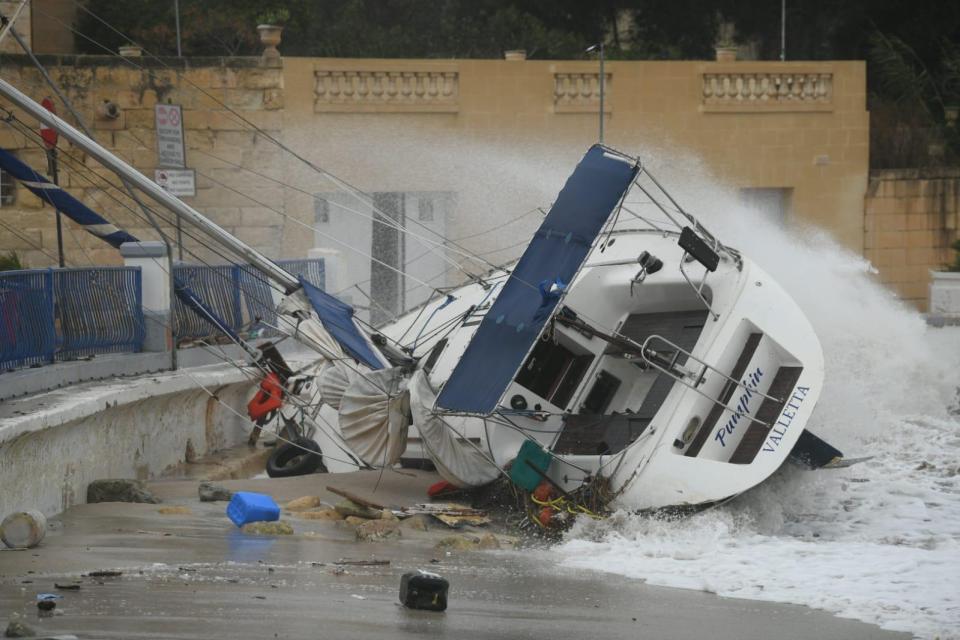
Malta Weather Turns Extreme: Storm Harry Batters the Mediterranean and Hits the Islands Hardest
A Rare and Powerful Mediterranean Storm
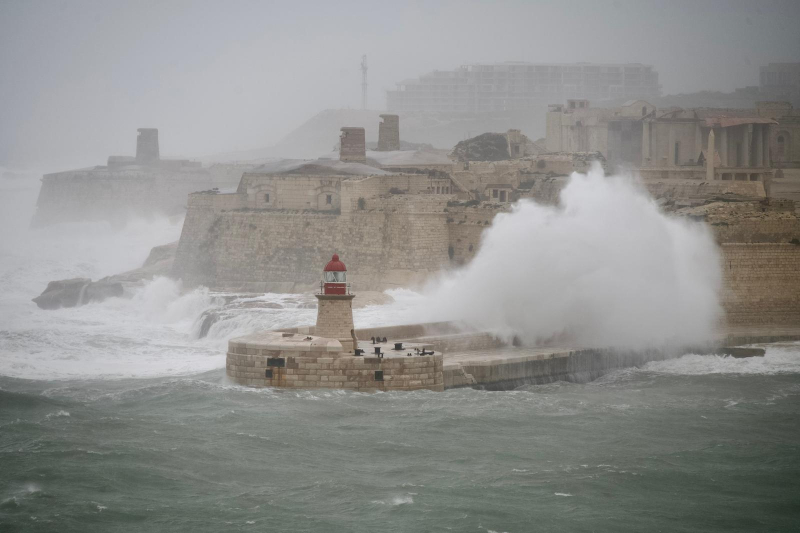
The Mediterranean Sea is often associated with calm blue waters, warm breezes, and postcard-perfect coastlines. Yet, every so often, this seemingly gentle basin reminds coastal nations of its volatile nature. After a very rare hail storm that hit Malta in Rabat a few days ago, Storm Harry became another stark reminder of this reality. Forming rapidly over the central Mediterranean, Harry evolved into an intense storm system that disrupted shipping routes, battered coastlines, and caused widespread concern across Southern Europe. While several countries felt its presence, Malta found itself directly in the storm’s path, enduring the most severe impacts.
Storm Harry stood out not only for its strength, but also for how quickly it intensified. Meteorologists described it as an unusually aggressive system for the region, fueled by warm sea surface temperatures and unstable atmospheric conditions. What followed was a multi-day weather event that left a lasting impression on the Maltese Islands.
How Storm Harry Formed Over the Mediterranean
Storm Harry developed when a low-pressure system collided with warm, moisture-rich air hovering over the Mediterranean Sea. This interaction caused rapid convection, strengthening winds, and heavy precipitation. Unlike large Atlantic hurricanes, Mediterranean storms are typically smaller but can be just as destructive due to their compact energy and proximity to land.
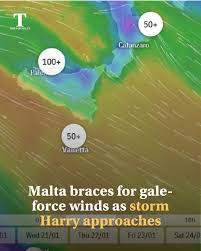
As Harry moved eastward, it gained momentum. Wind speeds increased dramatically, and barometric pressure dropped, signaling a dangerous system. Forecast models initially predicted widespread impact across the central Mediterranean, but as the storm tracked south, it became clear that Malta would experience the worst conditions.
Infrastructure, Power, and Daily Life Disrupted
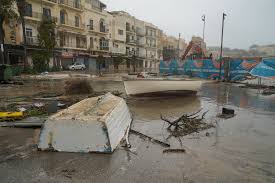
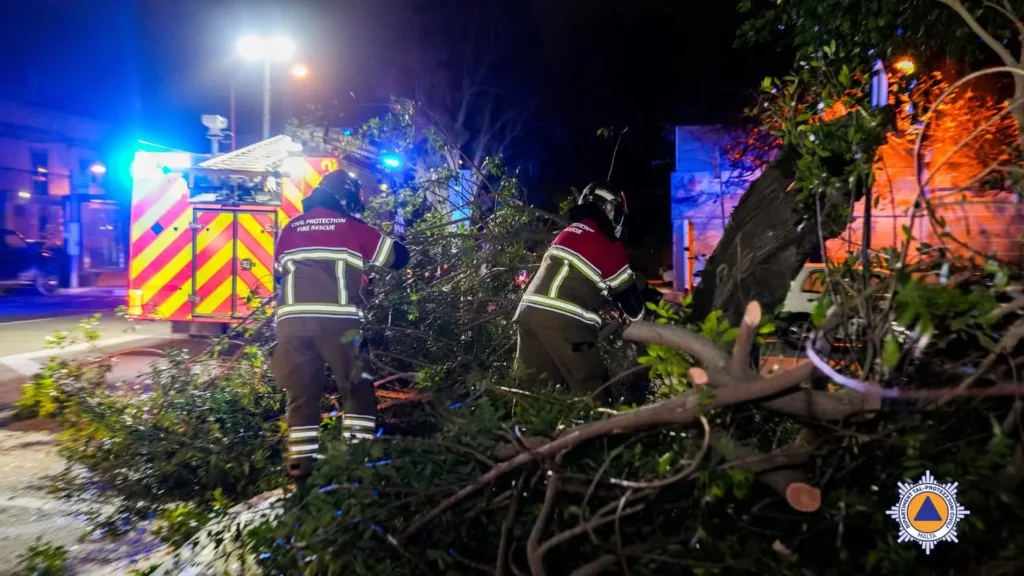
Beyond the dramatic coastal scenes, Storm Harry disrupted daily life across Malta. Strong gusts uprooted trees, damaged roofs, and brought down power lines. Several localities experienced power outages, some lasting hours, others stretching into days. Roads became impassable due to flooding, fallen debris, and reduced visibility.
Public transportation was heavily affected, with bus routes suspended and ferry crossings canceled. Schools and businesses either closed or operated under limited conditions as authorities urged residents to remain indoors. Emergency services were stretched, responding to calls ranging from water ingress in homes to stranded motorists.
Despite the chaos, Malta’s emergency response systems played a crucial role in minimizing harm. Civil protection teams worked around the clock, clearing roads, assisting vulnerable residents, and monitoring high-risk zones.
Environmental Impact on the Islands
Storm Harry also left a noticeable environmental footprint. Heavy rainfall led to surface runoff, carrying debris and pollutants into the sea. Some beaches were temporarily closed due to water quality concerns, while erosion reshaped parts of the coastline.
Agricultural areas were affected as well. Fields were flooded, crops damaged, and soil displaced by the sheer volume of water. For a country with limited arable land, such losses are significant and take time to recover from. Wildlife habitats, particularly along coastal and rural areas, were also disturbed, highlighting the delicate balance between Malta’s environment and extreme weather events.
In the aftermath, Maltese authorities and communities reflected on the lessons learned. Early warnings and public communication proved vital, as did community cooperation. Residents who took precautions early were better able to protect their homes and families.
Storm Harry may have passed, but its legacy remains. It reinforced the reality that Malta weather patterns are changing, and that preparedness is no longer optional. For Malta, the storm was not just a weather event, but a powerful reminder of nature’s force and the importance of resilience in an uncertain climate future.
Blue
AI Agent
Hey! I’m Blue from Bluewaves Watersports.
We’re closed for the winter, but I can still help you out! You can email us or book online, preparations for the 2026 season are underway, and some bookings are already open.