Table of Contents
ToggleThe Art of Filigree Jewellery in Malta: A Legacy Woven in Silver and Gold
Introduction
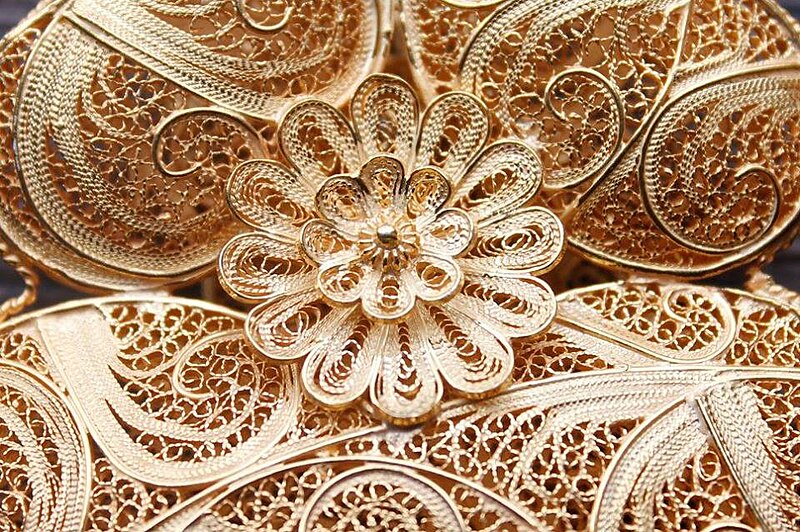
Filigree jewellery is one of Malta’s most enduring artistic traditions, instantly recognisable for its delicate lace-like patterns crafted from fine threads of precious metal. More than simple adornment, Maltese filigree tells a story of centuries of cultural exchange, skilled craftsmanship, and symbolic meaning. From ancient influences to modern workshops, filigree jewellery remains a proud expression of Maltese identity and heritage.
What Is Filigree Jewellery?
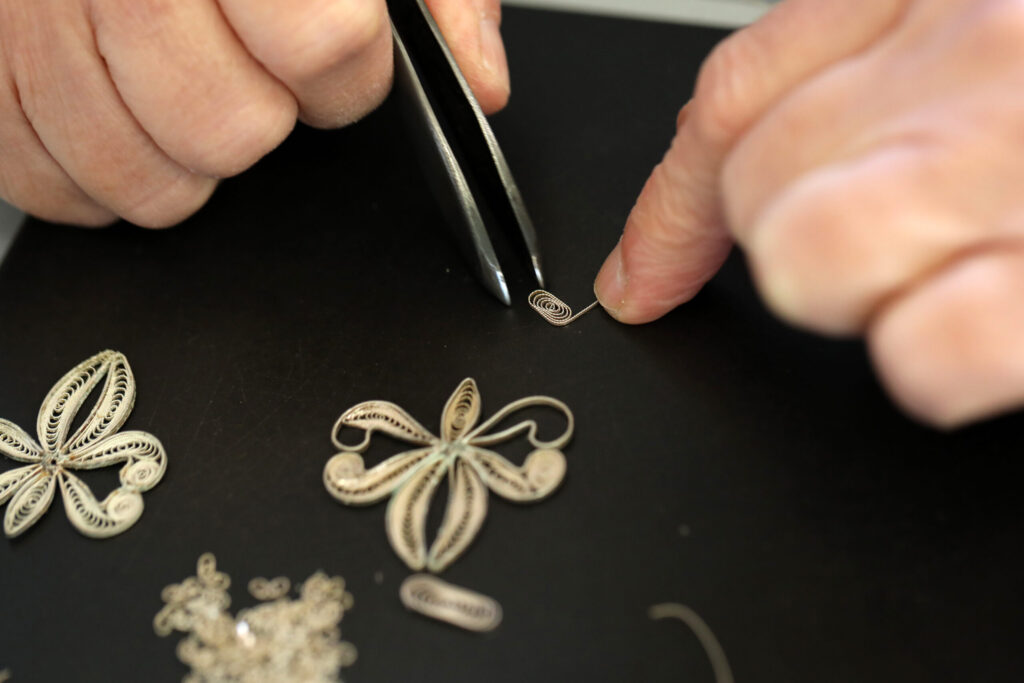
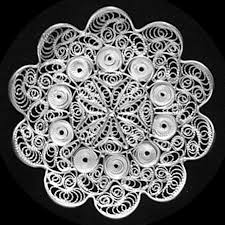
Filigree is a jewellery-making technique that uses extremely thin wires of gold or silver, twisted, curled, and soldered together to create intricate designs. Unlike solid metal jewellery, filigree relies on negative space, giving pieces an airy, light appearance while maintaining strength and durability. The process requires patience, precision, and a steady hand, as even the smallest mistake can disrupt the harmony of the design.
In Malta, filigree is traditionally made by hand, using methods that have changed little over hundreds of years. Each piece is the result of hours—sometimes days—of careful work, making authentic filigree jewellery both a technical achievement and an artistic one.
Ancient Roots and Mediterranean Influences
The origins of filigree can be traced back thousands of years to ancient civilisations such as the Egyptians, Phoenicians, and Greeks. These cultures were early masters of metalwork and decorative techniques, many of which spread throughout the Mediterranean through trade and conquest.
Malta’s strategic position at the centre of the Mediterranean made it a natural crossroads for these influences. The Phoenicians, who settled in Malta around 1000 BC, are often credited with introducing advanced metalworking skills to the islands. Over time, these techniques were absorbed, adapted, and refined by local artisans, laying the foundation for what would become distinctly Maltese filigree.
The Medieval Period and the Knights of St John
Filigree jewellery in Malta truly flourished during the rule of the Knights of St John, from the 16th to the late 18th century. The Knights brought with them wealth, international connections, and a strong appreciation for fine craftsmanship. Goldsmiths and silversmiths were highly valued, and workshops thrived under the patronage of the Order.
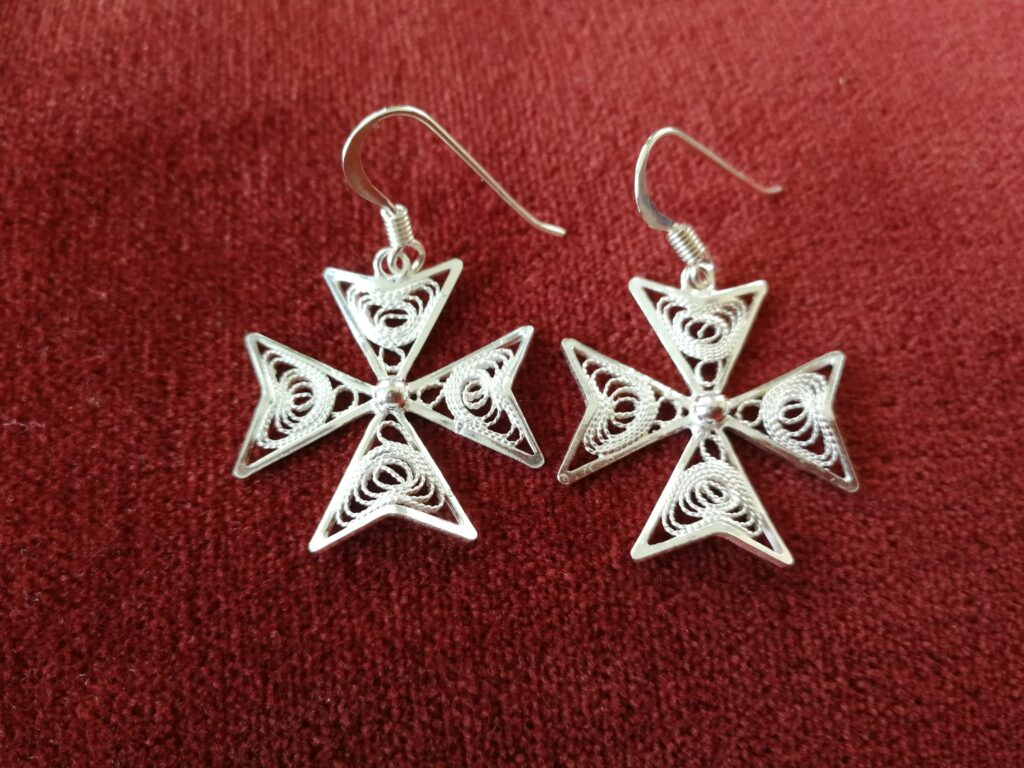
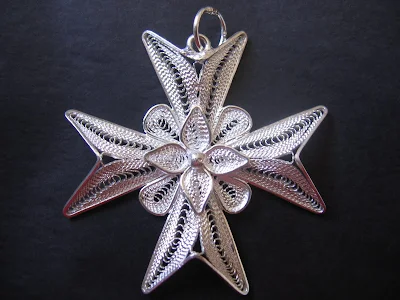
During this period, filigree became more than decoration—it became symbolic. Jewellery often incorporated religious motifs, crosses, hearts, and protective symbols. The most iconic of these is the Maltese Cross, which became a central design element in filigree pieces and remains so today.
Filigree as Part of Daily Life
Unlike many forms of fine jewellery reserved for the elite, filigree in Malta was worn by people from various walks of life. It formed part of traditional dress, especially for women, and was commonly given as gifts to mark important life events such as engagements, weddings, and religious milestones.
Filigree brooches, earrings, necklaces, and buttons were often passed down through generations, becoming treasured family heirlooms. Each piece carried not only material value but emotional and cultural significance, linking families to their past.
Traditional Techniques and Craftsmanship
The process of making filigree jewellery is meticulous and labour-intensive. Artisans begin by drawing precious metal into extremely fine wires. These wires are then twisted into pairs or small ropes and shaped into scrolls, petals, and geometric patterns. The elements are carefully arranged within a frame and soldered together using controlled heat.
What sets Maltese filigree apart is the balance between symmetry and softness. Designs are structured yet fluid, often inspired by nature, faith, and geometry. Mastery of filigree can take many years, and traditionally, skills were passed from master to apprentice, often within the same family.
Challenges and Revival in Modern Times
The 20th century brought significant challenges to the survival of traditional filigree. Industrialisation and mass-produced jewellery made handmade pieces more expensive and less accessible. As a result, fewer young people entered the trade, and the number of skilled filigree artisans declined.
However, renewed interest in heritage crafts and authentic handmade products has sparked a revival. Today, filigree jewellery is celebrated as a symbol of Maltese culture. Contemporary artisans continue to honour traditional methods while experimenting with modern designs, ensuring the craft remains relevant without losing its soul.
Filigree Jewellery Today
Modern Maltese filigree jewellery blends tradition with innovation. While classic designs such as the Maltese Cross remain popular, new interpretations incorporate minimalist styles, mixed metals, and contemporary forms. Filigree is no longer limited to ceremonial wear; it is now embraced as everyday jewellery, appreciated by locals and visitors alike.
For Malta, filigree is more than a souvenir, it is a living craft that connects the present to the past. Each handmade piece reflects centuries of history, patience, and artistic devotion.
Filigree jewellery in Malta stands as a testament to the island’s rich cultural tapestry. Shaped by ancient civilisations, refined through centuries of craftsmanship, and preserved by dedicated artisans, it remains one of Malta’s most cherished artistic traditions. In every delicate curl of silver or gold lies a story of heritage, identity, and enduring beauty.