Table of Contents
ToggleBuskett Gardens, Siġġiewi: Malta’s Green Heart of History and Nature
An Introduction to Buskett Gardens
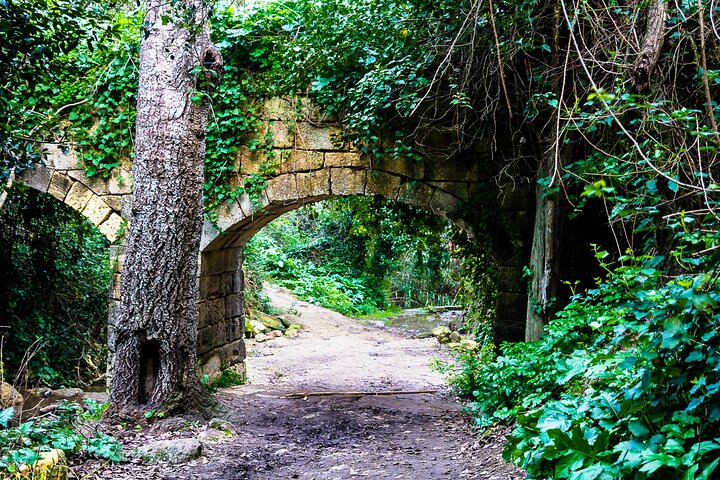
Nestled on the outskirts of Siġġiewi, at the foothills of Verdala Palace, Buskett Gardens stand as one of Malta’s most cherished green spaces. In a country known for its dry landscapes and rocky terrain, Buskett offers a refreshing contrast — a lush woodland filled with trees, wildlife, and centuries of history. It is not only a place of natural beauty but also a cultural landmark deeply woven into Maltese tradition.
For locals and visitors alike, Buskett Gardens provide a peaceful retreat where nature, heritage, and community come together.
A Rare Woodland in the Maltese Landscape
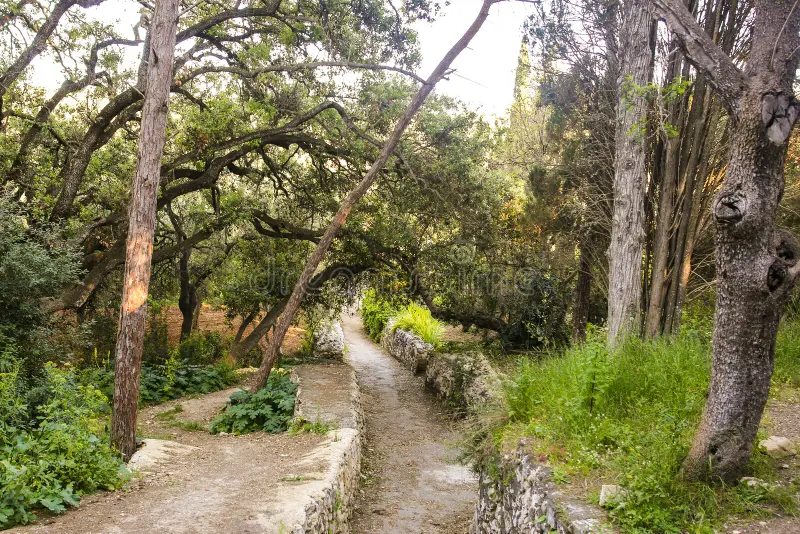
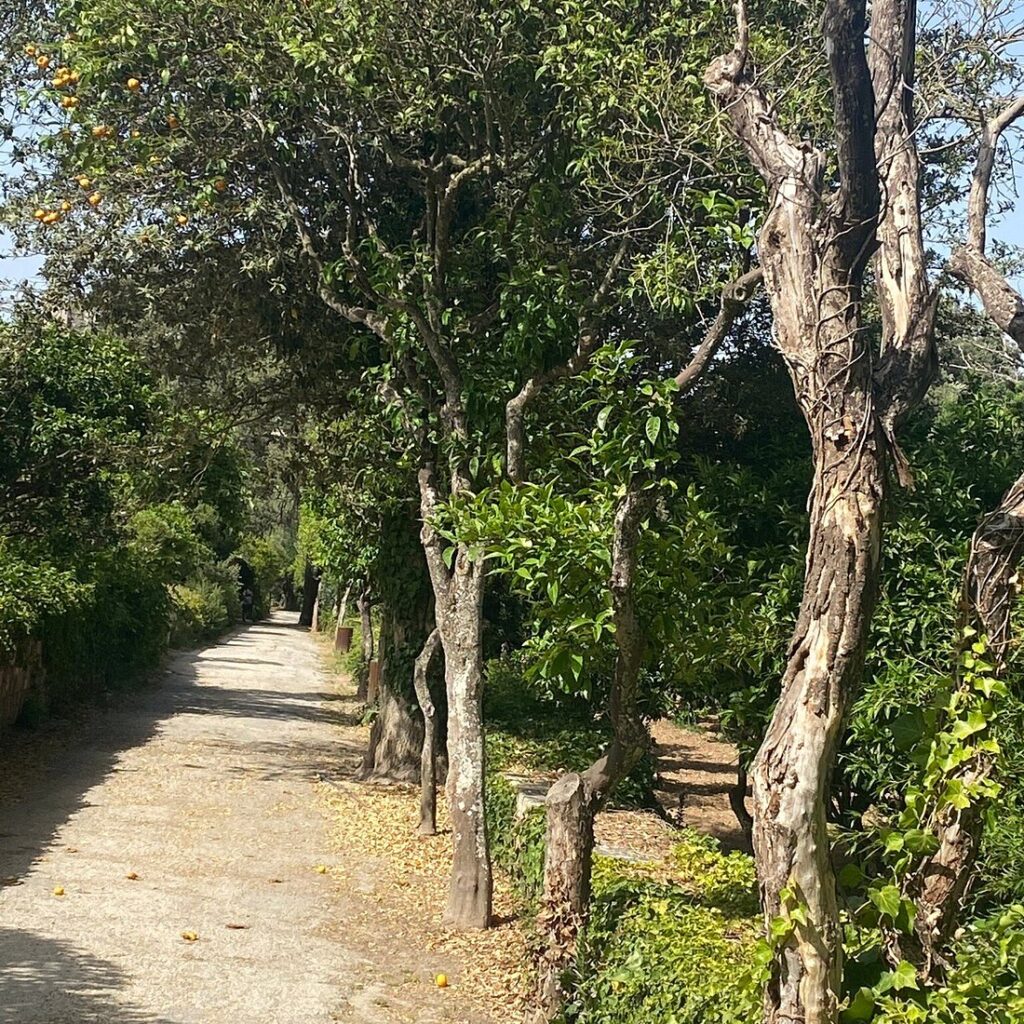
Buskett Gardens are often described as Malta’s only true woodland, making them a unique ecological site on the island. The area is planted with a variety of trees, including olive, pine, oak, and citrus, many of which were introduced and cultivated over centuries.
The gardens were originally developed as a hunting ground and recreational estate, benefiting from the fertile soil of the nearby Wied il-Luq valley. The abundance of trees creates a cooler microclimate, offering shade and relief from Malta’s summer heat — a rare and welcome feature in the Mediterranean environment.
Historical Roots and Verdala Palace
The origins of Buskett Gardens date back to the Knights of St. John, who transformed the area into a hunting reserve during the 16th century. It served as a leisure ground for the Knights and later became closely associated with Verdala Palace, which overlooks the gardens from above.
Verdala Palace, now the official summer residence of the President of Malta, adds a regal presence to the area. The connection between the palace and the gardens reflects Buskett’s long-standing role as a place of rest, retreat, and prestige.
Flora, Fauna, and Biodiversity
Buskett Gardens support a wide range of plant and animal life, making them an important biodiversity hotspot. The dense tree cover provides shelter for birds, insects, and small mammals, while the surrounding countryside supports reptiles and amphibians.
Birdwatchers can spot various resident and migratory species, particularly during spring and autumn. The mix of woodland and valley ecosystems allows different species to thrive, contributing to the ecological importance of the area.
Despite its cultivated origins, Buskett has evolved into a semi-natural environment where native and introduced species coexist in balance.
A Place of Tradition and Celebration
Buskett Gardens hold a special place in Maltese culture, most notably during L-Imnarja, the annual feast of Saints Peter and Paul celebrated on June 29th. This traditional event brings together food, music, poetry, and agricultural displays, attracting families from across the island.
During L-Imnarja, Buskett transforms into a lively celebration of Maltese identity, blending rural traditions with communal joy. The event highlights the gardens’ role not just as a natural space, but as a living cultural venue that continues to unite generations.
Walking, Relaxation, and Outdoor Activities
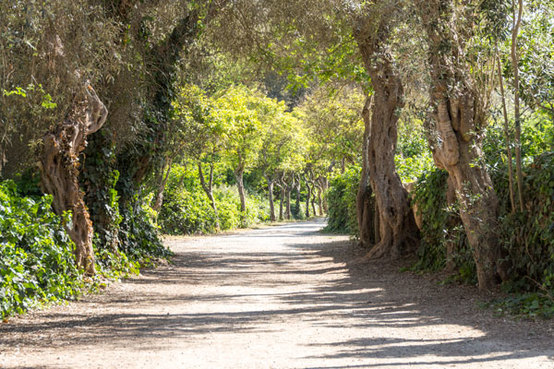
Today, Buskett Gardens are a popular destination for walking, picnics, and quiet reflection. Well-trodden paths wind through shaded areas, making it an ideal spot for nature walks and light hiking. The surrounding countryside also offers scenic routes that connect to Siġġiewi and nearby rural landscapes.
Families, photographers, and nature lovers are drawn to Buskett for its calm atmosphere and scenic beauty. Whether enjoying a short stroll or spending an afternoon under the trees, visitors can experience a side of Malta that feels worlds away from busy towns and coastal resorts.
Conservation and Environmental Awareness
As one of Malta’s most important green spaces, Buskett Gardens face challenges from urban pressure, increased visitation, and environmental stress. Conservation efforts focus on tree management, habitat protection, and maintaining the balance between public access and ecological preservation.
Environmental organizations and local authorities work to ensure that Buskett remains healthy and accessible while preserving its natural and historical value. Responsible tourism and respectful use of the gardens are key to safeguarding their future.