Discover Our Exciting Blogs on Water Adventures and More

Ggantija Temples in Gozo

Ggantija – The Prehistoric Megalithic Temples of Gozo On the small island of Gozo, just a short ferry ride from Malta, visitors can discover one of the most astonishing archaeological sites in the world: the Ggantija Temples. These ancient structures are not only older than the pyramids of Egypt and Stonehenge but also represent a time when early human communities created sacred spaces with remarkable skill and purpose. Despite their global historical significance, Ggantija remains a lesser-known marvel, offering travelers a rare chance to experience a truly ancient site without the crowds. A Glimpse into Prehistory The Ggantija Temples are part of the UNESCO World Heritage listed Megalithic Temples of Malta and are considered among the earliest free standing stone structures on Earth. Dating back to between 3600 and 3200 BCE, these temples were constructed during the Neolithic period, also known as the Temple Period in Maltese prehistory. The name “Ggantija” comes from the Maltese word ggant, meaning “giant.” According to local legend, the massive stones used to construct the temples were carried and erected by a giantess named Sunsuna, who was said to have built the temple while carrying a child on her shoulder. Although folklore has long attributed the site to supernatural beings, archaeological evidence confirms the builders were part of a highly organized and spiritual society with a sophisticated understanding of architecture, astronomy, and ritual. Location and Layout of Ggantija Located on the outskirts of the village of Xagħra in Gozo, Ggantija is composed of two main temples enclosed within a single boundary wall. This outer wall, made up of colossal limestone blocks, some weighing over 50 tons, is an awe inspiring sight that immediately invokes wonder. How did people without modern machinery move and place these stones with such precision? The exact methods remain a mystery, but archaeologists suggest the use of spherical stone rollers and levers. Each of the temples features a clover leaf layout known as a trefoil design, consisting of semicircular apses branching off from a central corridor. This design is characteristic of Maltese temple architecture and appears across other prehistoric sites on the islands. The inner sanctuaries were likely used for ceremonial and religious purposes, possibly involving fertility rituals and offerings to deities. Spiritual Significance of the Ggantija Temples While Gozo is also known for its many beautiful churches, such as the Basilica of Ta’ Pinu, the Ggantija Temples offer a much older glimpse into the island’s sacred history. Archaeological findings such as altars, hearths, and animal bones suggest that Ggantija was a site of communal worship and ritual. The temples may have been dedicated to a mother goddess or fertility cult, as implied by figurines and statues unearthed in the area. The emphasis on round, voluminous forms in the statues aligns with fertility symbolism found in other ancient cultures. The orientation of the temples also holds astronomical significance. The southern temple’s main entrance is aligned with the solstices, suggesting that the builders had an understanding of celestial patterns, possibly linking their CONTINUE READING

Feasts of Malta

The Vibrant Feasts of Malta: A Celebration of Faith, Tradition, and Culture Malta, a small island nation in the heart of the Mediterranean, is known for its rich history, stunning landscapes, and warm, welcoming people. However, one of the most captivating aspects of Maltese culture is the island’s deep-rooted tradition of religious feasts. These lively celebrations, which take place throughout the year, are a blend of spirituality, community, and festivity, drawing locals and tourists alike to experience the unique atmosphere of Malta’s vibrant villages. Feasts, or “festas,” are an integral part of Maltese life. While they are primarily religious in nature, honoring patron saints and their respective churches, they also serve as important social events, offering a sense of unity, joy, and pride. Visitors to Malta can expect to see colorful processions, hear bands playing traditional marches, and witness spectacular fireworks displays — all while enjoying local food and drinks in a festive atmosphere. The History of Maltese Feasts The tradition of feasts in Malta dates back centuries, influenced by the island’s deep Catholic roots and its long history of occupation by various powers, including the Phoenicians, Romans, Arabs, Normans, and the Order of St. John (the Knights Hospitaller). Under the Knights, Malta became a center of Christian devotion and military might, and religious observances were a central part of daily life. This influence still shapes the way feasts are celebrated today. The feasts are usually dedicated to the patron saints of towns and villages across Malta. It is common for every town or village to have its own annual feast, often held on the feast day of its patron saint. The festivities typically start on the Saturday before the actual feast day and continue through to Sunday, sometimes even lasting for a whole week. During this time, the local church is adorned with colorful decorations, and the streets are filled with lights, banners, and flowers. What to Expect at a Maltese Feast A Maltese feast is a multi-sensory experience that combines religious observance with lively festivities. Here are some of the key elements that you can expect when attending one of these vibrant events: The Procession: The heart of any feast is the procession, which is typically held on the feast day itself. A statue or image of the patron saint is paraded through the streets, often accompanied by prayers, hymns, and incense. The procession is a deeply religious event, with many locals participating by walking alongside the statue, carrying candles or offering prayers. The procession is often accompanied by a band, playing traditional marches, which add to the festive atmosphere. Fireworks Displays: One of the most spectacular aspects of Maltese feasts is the fireworks. These displays are often grand and impressive, lighting up the night sky in vibrant colors. The fireworks are traditionally fired from the church or a nearby open space, and each village competes with others to put on the best display. The history of fireworks in Malta dates back to the 18th century, and they CONTINUE READING

Churches of Gozo

Churches of Gozo, Malta’s Spiritual Jewel The island of Gozo is a treasure trove of spiritual heritage, with churches that speak to centuries of devotion, artistry, and architectural grandeur. While often overshadowed by its larger sister island, Malta, Gozo offers an intimate and authentic experience for travelers seeking both cultural immersion and sacred beauty. Gozo, though just 67 square kilometers in size, is home to over 40 churches, a remarkable number considering its modest population. Each of these churches, from majestic cathedrals to humble chapels, tells a story of faith, tradition, and the enduring strength of the island’s Catholic roots. The Cathedral of the Assumption, Victoria, Gozo No visit to Gozo is complete without exploring the Churches of Gozo. One famous place in Gozo is Victoria, the island’s capital, and its crown jewel, the Cathedral of the Assumption. Nestled within the imposing Cittadella, the cathedral stands as a testament to Baroque elegance and spiritual devotion. Built in the late 17th century on the site of an earlier church, the cathedral is dedicated to the Assumption of the Virgin Mary. Its most remarkable feature is an illusory dome, a masterful trompe-l’Ĺ“il painting by Italian artist Antonio Manuele that gives the impression of a grand dome where there is none. Inside, the cathedral offers serene beauty, from its gilded altar to the intricate marble floor tombstones that echo the voices of centuries past. The cathedral’s construction was strongly supported by the Order of St. John, the Knights Hospitaller, who were central to the governance of Malta during this period. The Order’s influence in Gozo, and Malta at large, can still be felt in the grandeur of the churches and fortifications built during their time. The panoramic views from the Cittadella’s ramparts are a reward in themselves, rolling hills, limestone villages, and a skyline peppered with church domes as far as the eye can see. Ta’ Pinu Basilica – A Place of Pilgrimage and Miracles Perhaps the most iconic and revered church on the island is the Basilica of the National Shrine of the Blessed Virgin of Ta’ Pinu. Located near Għarb, this Roman Catholic basilica is considered a sacred site not just for Gozitans but for all Maltese. The church gained prominence after a local woman claimed to hear the voice of the Virgin Mary in the 1880s. Since then, Ta’ Pinu has become a pilgrimage site associated with miraculous healings and answered prayers. The current basilica was completed in the 1930s and consecrated in 1932. The architecture is neo-Romanesque, with a honey-colored stone façade that glows in the Mediterranean sun. The interior is peaceful and awe-inspiring, adorned with mosaics, marble, and ex-voto offerings, testimonials to faith and gratitude. The surrounding countryside also features a series of outdoor mosaics and stations of the cross, ideal for quiet reflection. Xewkija Rotunda: Gozo’s Architectural Wonder In the village of Xewkija stands one of the most remarkable churches in Gozo, the Rotunda of St. John the Baptist, commonly referred to as the Xewkija Rotunda. It CONTINUE READING

Sharks in Malta

Sharks in Malta: A Rare and Beautiful Encounter with Nature At Bluewaves Watersports, we’re passionate about Malta’s stunning marine life. Our crystal-clear Mediterranean waters are home to an incredible array of sea creatures, from playful dolphins to colorful fish. One fascinating but often misunderstood ocean dweller very rarely makes an appearance in our waters. The shark. Before your imagination runs wild, let us reassure you, Malta is not known for shark activity, especially near the coast. In fact, shark sightings here are very rare. But when one does appear, as happened recently in Sliema, it’s a wonderful reminder of how rich and healthy our marine ecosystem truly is. A Peaceful Visitor in Sliema – 09/05/2025 On May 9th, 2025, beachgoers and walkers along the Sliema coast witnessed a special and rare sight, a small shark was seen calmly swimming close to shore. The video quickly made rounds on social media, with onlookers expressing surprise and awe at the peaceful presence of this ocean visitor. Marine experts believe the shark was likely a blue shark (Prionace glauca), a sleek, deep-sea species known for its striking blue coloration and gentle nature. These sharks live far offshore and are not typically found near beaches. Sightings near the coast are exceptionally rare, and this one came with calm seas and perfect visibility, ideal conditions for such an encounter. The shark posed no threat to swimmers, and officials confirmed there was no danger or need for alarm. In fact, it was a positive sign that our local waters remain clean and biodiverse. Sharks are essential indicators of a healthy ocean, and seeing one in Malta is a rare and special moment to appreciate. Sharks in Malta: The Facts Malta’s surrounding waters are home to over 30 species of sharks, but most are small, non-aggressive, and live in deep waters far from shore. The reality is that you are extremely unlikely to ever see a shark while swimming, snorkeling, or enjoying water activities here. In fact, shark-related incidents in Malta are virtually unheard of. Sharks do not hunt humans, their diet consists mainly of fish and squid, and they are naturally wary of people. Interestingly, the waters near Filfla, an uninhabited islet south of Malta, are one of the island’s richest marine ecosystems and an occasional habitat for larger marine species, including some types of sharks. However, this area is far from regular swimming zones and is a protected nature reserve, ensuring minimal interaction with humans. At Bluewaves Watersports, safety is our top priority. In all our years operating here at Bluewaves Watersports, we’ve never had any kind of shark-related issue. The sighting on 09/05/2025 in Sliema was not a warning, it was a rare and beautiful reminder of nature’s balance. Sharks: Guardians of the Sea Sharks are a vital part of the marine ecosystem. As apex predators, they help maintain the balance of other marine life, keeping populations in check and supporting the overall health of coral reefs and fish stocks. Despite their important role in CONTINUE READING

Maltese Traditional Buses

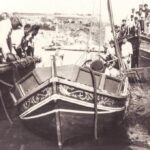
The Charm and Legacy of Maltese Traditional Buses When one thinks of Malta, images of crystal-clear waters, ancient architecture, and sun-soaked landscapes might come to mind. But for decades, something else colorful and unmistakably unique captured the heart of this Mediterranean island — the iconic Maltese traditional bus. These buses weren’t just a means of transportation; they were moving symbols of Maltese culture, hand-decorated masterpieces, and beloved relics of a bygone era. A BUS History The story of Maltese traditional buses dates back to the early 20th century. The very first buses appeared on the island in 1905, and over time, they became the primary method of public transportation. By the 1920s and 30s, most buses were imported as bare chassis from manufacturers like Bedford, Leyland, and AEC. These chassis were then transformed into unique vehicles by local craftsmen who built the bodywork and designed the interiors. What made these buses so special was that no two were exactly the same. Each one was personalized by its driver, who was often also the owner. This resulted in a fleet that was as diverse in appearance as it was functional — buses were often painted in vibrant colors, decorated with religious symbols, witty sayings, family crests, and even chrome ornaments. From bold reds and canary yellows to lime greens and sky blues, each bus was a rolling canvas. Cultural Icons on Wheels More than just transportation, Maltese buses became an integral part of the island’s culture and identity. The drivers took immense pride in their vehicles, maintaining them meticulously and often investing significant time and money into decoration and repair. Riding one of these buses was not merely a commute; it was an experience. Tourists and locals alike grew fond of the unique ambiance: the scent of engine oil and leather seats, the buzz of conversation, and the occasional blast of Maltese or Italian music from the driver’s radio. The interiors often included religious icons, photos of loved ones, and even little shrines tucked into dashboards. For decades, these buses connected rural villages to urban centers and became a part of daily life in Malta. The Farewell: Modernization and Controversy By the early 2000s, however, Malta’s aging bus fleet began to draw criticism. The vehicles, while charming, were becoming outdated. Many lacked air conditioning, were prone to breakdowns, and didn’t meet modern accessibility standards. Pollution was also a growing concern, with the diesel engines contributing heavily to urban smog. In 2011, Malta undertook a major overhaul of its public transport system. The traditional buses were replaced with a standardized, modern fleet operated initially by Arriva and later by other private operators. Though more efficient and environmentally friendly, the new buses didn’t carry the same charm — and their arrival sparked a wave of nostalgia, sadness, and even protest among locals and vintage bus enthusiasts. Preserving the Bus Legacy Thankfully, all was not lost. Recognizing their cultural significance, efforts were made to preserve many of the traditional buses. Today, several restored buses CONTINUE READING

Wied il-Ghasri in Gozo

Wied il-Ghasri – Gozo’s Hidden Valley Wied il-Ghasri is a secluded valley that leads to one of the island’s most breathtaking coastal inlets. This hidden gem offers an unparalleled blend of natural beauty, rugged cliffs, crystal-clear waters, and an air of serenity that makes it an ideal retreat for nature lovers, adventurers, and those looking to escape the hustle and bustle of everyday life. Google Map Location A Natural Haven Wied il-Ghasri is a picturesque valley formed by millennia of natural erosion, creating a narrow and winding gorge that carves its way toward the sea. The surrounding limestone cliffs add to the dramatic scenery, offering a stunning contrast to the turquoise waters that fill the inlet. This secluded spot remains largely unspoiled, making it a sanctuary for those who appreciate the beauty of untouched landscapes. The valley itself is a paradise for walkers and hikers, particularly in the cooler months. A network of rural trails leads visitors through lush fields, ancient rubble walls, and stunning viewpoints overlooking the valley and the coastline. The sight of the meandering stream that occasionally flows through the valley enhances the area’s charm, especially after heavy rainfall. The Idyllic Inlet One of the most captivating features of Wied il-Ghasri is its stunning inlet, a small, fjord-like cove where the valley meets the Mediterranean Sea. The narrow bay is flanked by high limestone cliffs that provide shelter from strong winds, creating a peaceful and pristine environment for visitors. The cove’s pebbled shoreline and clear waters make it an excellent spot for swimming, snorkeling, and exploring the marine life that thrives in this unspoiled ecosystem. For snorkelers and divers, Wied il-Ghasri offers a fascinating underwater world. The rocky seabed and underwater caves are home to a variety of marine species, making it a haven for those eager to discover Gozo’s rich aquatic biodiversity. The clarity of the water enhances visibility, allowing swimmers to appreciate the vibrant underwater landscape. A Tranquil Escape Unlike some of Gozo’s more popular beaches and tourist spots, Wied il-Ghasri remains relatively quiet, even during peak season. This makes it an excellent destination for those seeking solitude and relaxation. Whether visitors wish to bask in the sun, listen to the soothing sound of the waves, or simply take in the breathtaking surroundings, the cove provides the perfect setting. Although it is a remote location, getting to Wied il-Ghasri is part of the adventure. A steep staircase leads down from the cliffside to the shore, providing an unforgettable descent with spectacular views. While the path requires some effort, the reward of reaching the tranquil cove is well worth it. Cycling and Hiking Opportunities Wied il-Ghasri is not just for swimmers and snorkelers—it is also a fantastic destination for cycling and hiking enthusiasts. The valley is part of a larger network of trails that crisscross Gozo’s rugged terrain, providing countless opportunities for outdoor exploration. Cyclists can follow scenic routes that pass through charming villages, historical sites, and panoramic viewpoints before descending toward the valley. Similarly, hikers can embark CONTINUE READING

The Cittadella – The citadel of Gozo

The Citadel (Cittadella) in Gozo Perched atop a hill in Victoria, the capital of Gozo, the Citadel, also known as the Cittadella or Kastell, stands as a testament to the island’s rich and varied history. This fortified city has been the heart of Gozo’s activity for millennia, offering visitors a unique blend of historical intrigue, architectural splendor, and panoramic vistas. Google Map Location​ A Journey Through Time The Citadel’s origins trace back to the Bronze Age, around 1500 BC, when early settlers fortified the hilltop to protect themselves from invasions. During the Punic and Roman periods, it served as the acropolis for the city of Gaulos or Glauconis Civitas, highlighting its significance as a central hub. The medieval era saw the Citadel evolve into a refuge for Gozitans against corsair raids, with its fortifications being continually reinforced over the centuries.​ A pivotal moment in the Citadel’s history occurred in 1551 when Ottoman forces besieged Gozo. Despite the Citadel’s formidable defenses, the invaders captured and enslaved nearly the entire population. This tragic event underscored the need for even stronger fortifications, leading to significant enhancements by the Knights of St. John in the subsequent years. Architectural Marvels Within the Walls Stepping through the Citadel’s gates is akin to entering a living museum. The narrow, winding streets are lined with historic buildings, each narrating a chapter of Gozo’s past. Dominating the skyline is the Cathedral of the Assumption, a Baroque masterpiece designed by Maltese architect Lorenzo GafĂ . Constructed between 1697 and 1711, the cathedral is renowned for its remarkable trompe-l’Ĺ“il painting on the ceiling, creating the illusion of a dome that was never built. ​ Adjacent to the cathedral, the Old Prison offers a glimpse into Gozo’s penal history. Active from the 16th century until the early 20th century, the prison’s walls are adorned with graffiti etched by former inmates, providing a haunting insight into their experiences. The Citadel also houses several museums that delve into various facets of Gozitan life: Gozo Museum of Archaeology: Showcasing artifacts from Gozo’s prehistoric periods through the Middle Ages.​ Natural Science Museum: Offering exhibits on the island’s geology, flora, and fauna.​ Folklore Museum: Presenting traditional tools, crafts, and insights into the daily lives of past inhabitants.​ ​ Breathtaking Panoramas One of the Citadel’s most captivating features is its panoramic views. Walking along the fortified walls, visitors are treated to a 360-degree vista of Gozo’s rolling hills, quaint villages, and the shimmering Mediterranean Sea. From here, you can also see Ta’ Ä urdan Lighthouse, standing proudly atop a hill, offering a striking landmark against the island’s landscape. This vantage point not only provides stunning photo opportunities but also a deeper appreciation of the island’s topography and strategic importance throughout history. Cultural Significance and UNESCO Recognition The Citadel’s enduring legacy and cultural value have not gone unnoticed. As a site that has stood the test of time, witnessing centuries of historical events, it remains a focal point of Gozitan heritage. Recognizing its unique blend of prehistoric, medieval, and Baroque influences, as CONTINUE READING

Grand Harbour of Malta in Valletta

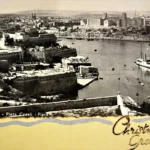
The Grand Harbour of Valletta The Grand Harbour, known as “Il-Port il-Kbir” in Maltese, is a natural harbour located in Valletta, Malta (Google Location). Renowned for its expansive size and strategic significance, it has played a pivotal role throughout Malta’s history, serving as a focal point for military, economic, and cultural developments. Valletta’s Harbour Geographical Layout The harbour’s entrance faces northeast, flanked by Saint Elmo Point to the north and Ricasoli Point to the south, further protected by an isolated breakwater. The Sciberras Peninsula, predominantly occupied by Valletta and its suburb Floriana, forms the northwestern shore and separates the Grand Harbour from the parallel Marsamxett Harbour. The southeastern shore is characterized by a series of inlets and promontories, including Rinella Creek, Kalkara Creek, Dockyard Creek, and French Creek, encompassing the areas of Kalkara and the Three Cities: Cospicua, Vittoriosa, and Senglea. The main waterway extends inland towards Marsa. The Grand Harbour’s Historical Significance The Grand Harbour’s strategic location has rendered it a coveted asset across various eras: Prehistoric and Classical Eras Archaeological findings, such as the Kordin Temples dating back to circa 3700 BC, indicate early human activity along the harbour’s shores. Subsequent Punic and Roman artifacts further attest to the area’s long-standing significance. Medieval Period By the 12th and 13th centuries, the establishment of the Castrum Maris in present-day Birgu underscored the harbour’s defensive importance. Notably, the 1283 Battle of Malta, where Aragonese forces triumphed over a larger Angevin fleet, unfolded at the harbour’s entrance. Knights of St. John Era From 1530 to 1798, the Order of Saint John headquartered in Birgu, fortifying the area extensively, including the transformation of Castrum Maris into Fort Saint Angelo. The harbour was central during the Great Siege of 1565, with the Ottomans’ unsuccessful attempt to seize it marking a turning point in Maltese history. Post-siege, the foundation of Valletta on the Sciberras Peninsula further solidified the harbour’s prominence. British Colonial Period Following the expulsion of the French in 1800, Malta became a British protectorate and was formally declared a colony in 1814 under the Treaty of Paris. The Grand Harbour quickly became a crucial naval base for the Royal Navy, serving as a repair, refueling, and supply station. British investment in fortifications and dockyards reinforced Malta’s role as an imperial stronghold, particularly through the expansion of coastal defenses, including numerous batteries and gun emplacements designed to protect the harbour from naval attacks. These fortifications, such as Fort Rinella with its massive 100-ton gun, played a key role in securing British naval dominance in the Mediterranean. Despite economic and infrastructural advancements, tensions arose over cultural and political issues, leading to demands for self-governance. A constitution granted limited autonomy in 1921, but political instability led to its suspension in 1933. During World War II, Malta’s strategic position made it a prime target for Axis bombing, with the Grand Harbour’s batteries and anti-aircraft defenses playing a crucial role in resisting enemy assaults, though widespread destruction ensued. After the war, Malta’s significance as a British military CONTINUE READING