

Table of Contents
ToggleMalta During the Arab Era: A Lasting Cultural Legacy
Malta’s long and fascinating history has been shaped by many civilizations, but few have left as lasting an influence as the Arabs. Although the Arab period lasted for only a few centuries, its impact can still be seen today in the Maltese language, place names, agriculture, and cultural traditions. Understanding Malta’s Arab era offers a unique insight into how the islands developed their distinct identity.
The Arrival of the Arabs
The Arab presence in Malta began in 870 AD when Muslim forces from North Africa conquered the islands. At the time, Malta had already experienced centuries of Roman and Byzantine rule. The conquest marked a significant turning point, introducing new systems of governance, agriculture, and culture.
For several centuries, Malta became part of the wider Arab world, connected to North Africa and Sicily through trade, administration, and cultural exchange. During this period, the islands underwent substantial changes that would shape their future development.
The Birth of the Maltese Language
Perhaps the most enduring legacy of the Arab era is the Maltese language itself. Unlike any other European language, Maltese is a Semitic language that developed from Arabic, specifically the dialects spoken in Sicily and North Africa during the Middle Ages.
Over time, Maltese absorbed influences from Italian, Sicilian, English, and other European languages. Despite these additions, its Arabic roots remain evident in everyday vocabulary, grammar, and pronunciation.
Today, Malta is the only country in the European Union with a national language of Semitic origin, making Maltese a remarkable linguistic bridge between Europe and the Arab world.
Transforming Agriculture
The Arabs introduced advanced agricultural techniques that helped improve farming across the islands. They developed irrigation systems and promoted the cultivation of crops better suited to Malta’s dry climate.
Fruit trees such as citrus, as well as cotton and various vegetables, became more widespread during this period. The use of terraced farming and efficient water management allowed local communities to make better use of the limited natural resources available on the islands.
Many of these agricultural practices continued long after the Arab period and contributed to Malta’s rural development for centuries.
Arab Influences in Place Names
A walk through Malta reveals numerous place names with Arabic origins. Towns and villages such as Rabat, Mdina, Marsa, Marsaxlokk, and Mġarr all reflect the linguistic influence left behind by Arab settlers.
Many place names beginning with “Marsa” relate to harbours or ports, while others are linked to geographical features, agriculture, or historical settlements. These names serve as living reminders of a period that continues to influence daily life in modern Malta.
Life in Medieval Malta
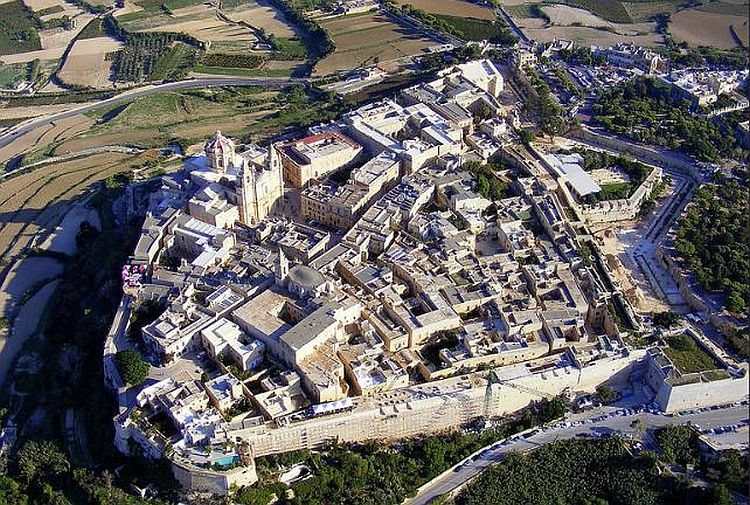
During the Arab era, Malta was largely rural, with communities centred around farming and local trade. Settlements were often built with defence in mind, and the ancient city of Mdina evolved into the fortified centre of the island.
The Arabs also introduced architectural concepts that influenced the layout of villages and urban areas. Narrow winding streets, designed to provide shade and protection from the sun, can still be seen in some of Malta’s historic towns.
Trade connections with Sicily and North Africa brought new goods, ideas, and cultural influences, helping Malta become part of a wider Mediterranean network.
The Norman Conquest and Cultural Continuity
In 1091, the Normans from Sicily arrived in Malta, marking the beginning of Christian rule. However, the transition was gradual, and many aspects of Arab culture remained deeply rooted in society.
Rather than disappearing, Arab influences blended with new European traditions. This cultural fusion helped create the unique character that distinguishes Malta today, where different civilizations have contributed to a shared heritage.
A Legacy That Lives On
Although the Arab era ended many centuries ago, its influence remains visible throughout Malta. The language spoken by the Maltese people, the names of towns and villages, agricultural traditions, and elements of local culture all reflect this important chapter in the islands’ history.
Far from being a forgotten period, the Arab era helped shape the foundations of modern Malta. It is a story of cultural exchange, adaptation, and lasting influence that continues to enrich the islands and their identity to this day.