
Table of Contents
ToggleThe Purpose of Towers and Castles in Malta
Malta is often described as an open-air museum of fortifications. Scattered across its islands are imposing castles, coastal towers, and fortified cities that tell the story of a nation shaped by centuries of conflict and strategic importance. But these structures were not built merely for beauty—they served crucial defensive and political purposes that helped Malta survive in a turbulent Mediterranean world.
A Strategic Island at the Heart of the Mediterranean
The main reason Malta developed so many castles and towers lies in its geography. Located in the center of the Mediterranean Sea, Malta sat along key trade routes between Europe, North Africa, and the Middle East. This made it highly valuable, but also highly vulnerable.
Throughout history, different powers, from the Phoenicians and Romans to the Knights of St. John and later the British, recognized Malta’s importance and invested heavily in defending it. These fortifications evolved over thousands of years, adapting to new threats and technologies.




Castles and Fortresses: Defending Against Invasion
In Malta, what we often call “castles” were usually large fortresses or fortified cities rather than royal residences. Their main purpose was military defense.
When the Knights of St. John arrived in 1530, they transformed Malta into one of the most fortified places in the world. They built massive stone walls, bastions, and forts such as Fort St. Elmo and Fort St. Angelo to protect key harbours and settlements.
These fortifications were designed to withstand powerful cannons and large armies. During the Great Siege of 1565, they proved their effectiveness by helping the Knights and Maltese people resist an Ottoman invasion.
In addition to defense, castles also served as command centers. Leaders coordinated military operations from these strongholds, stored weapons and supplies, and housed soldiers. In some cases, they even acted as residences for important figures such as the Grand Master.
Coastal Towers: Early Warning and Communication
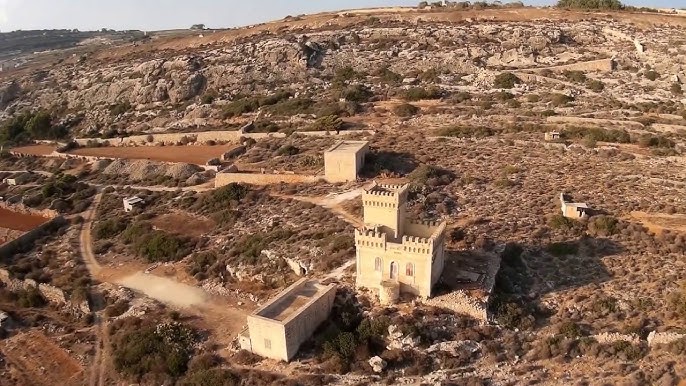
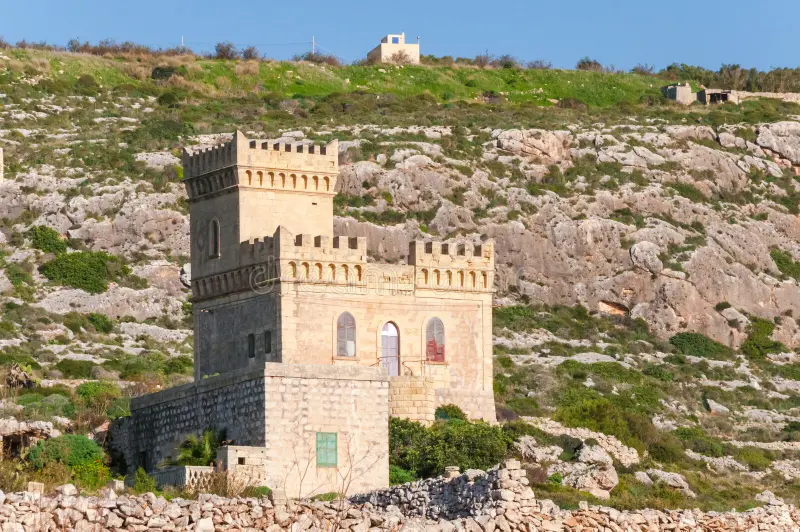
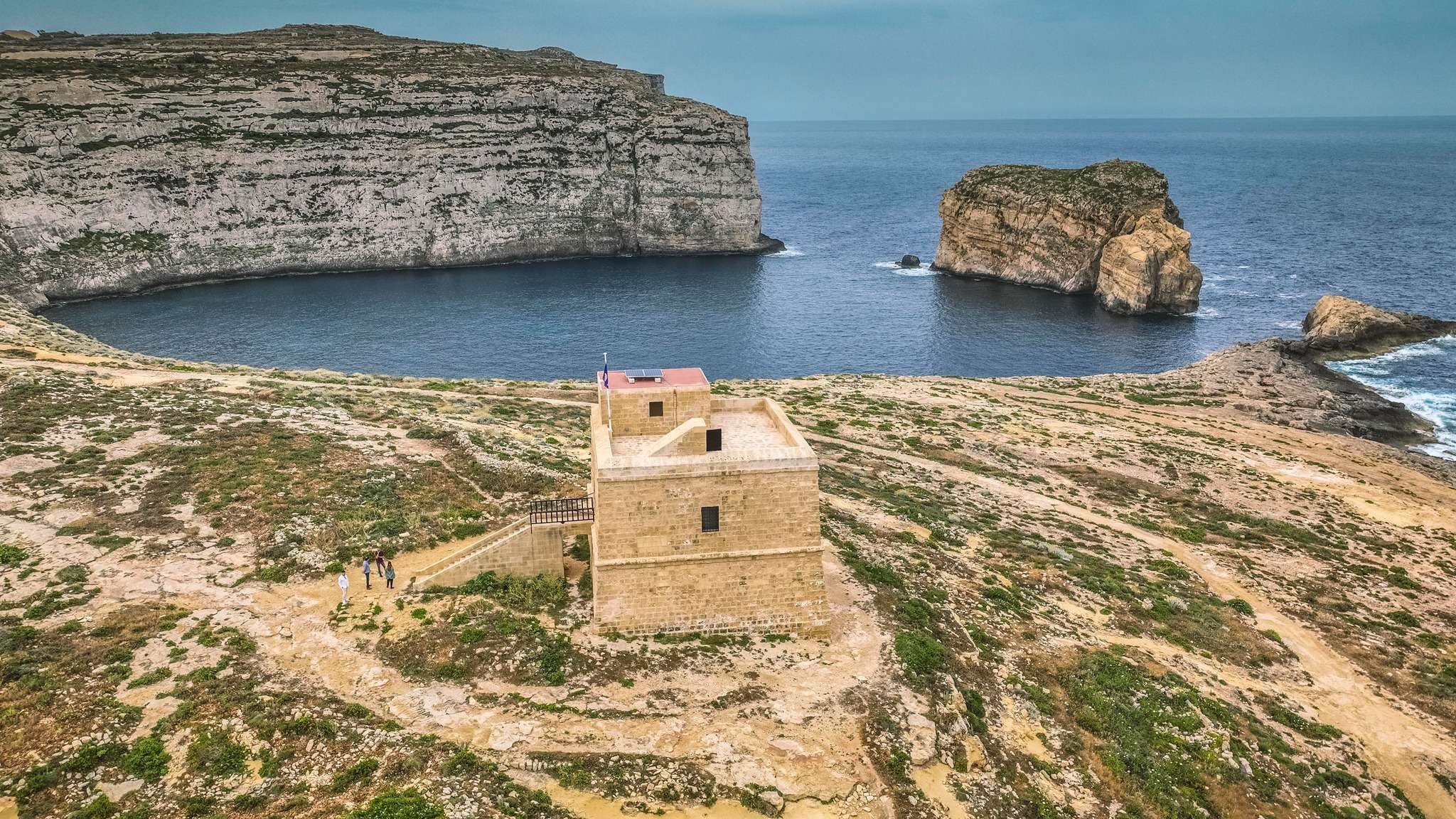
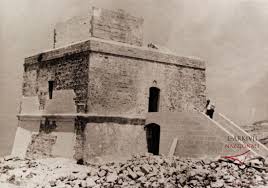
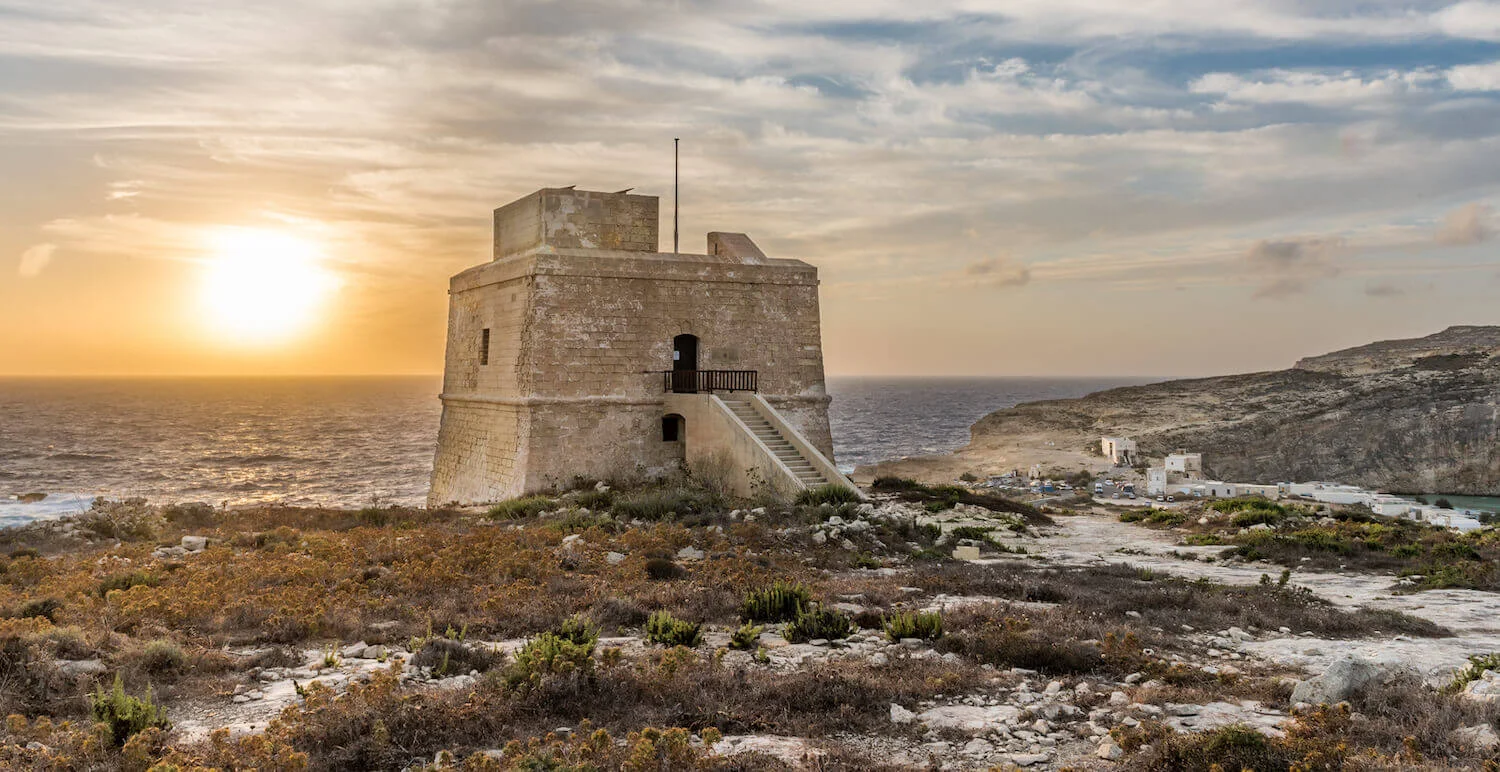
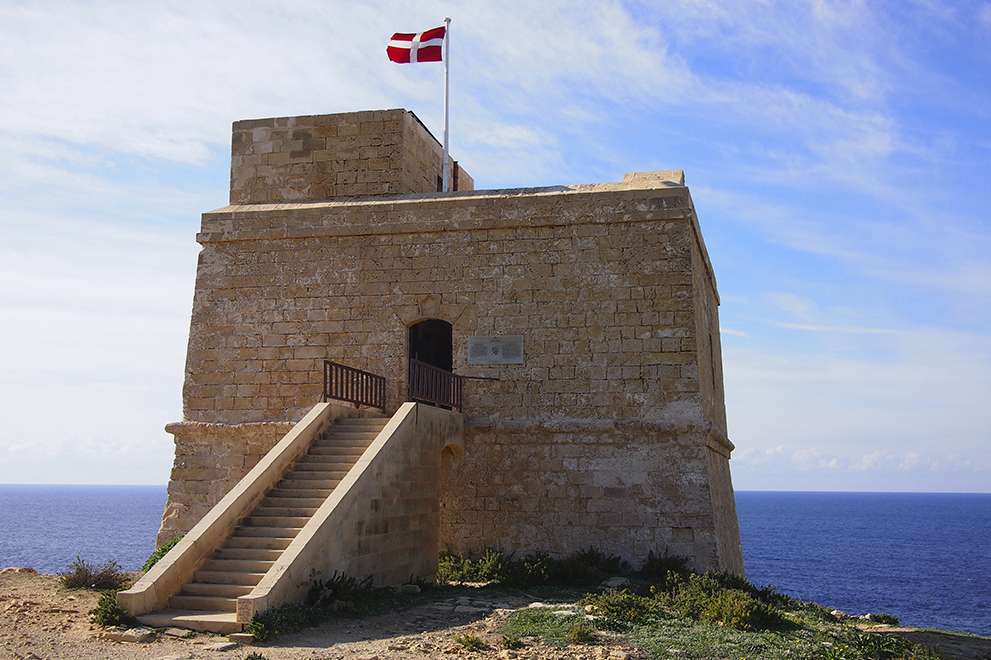
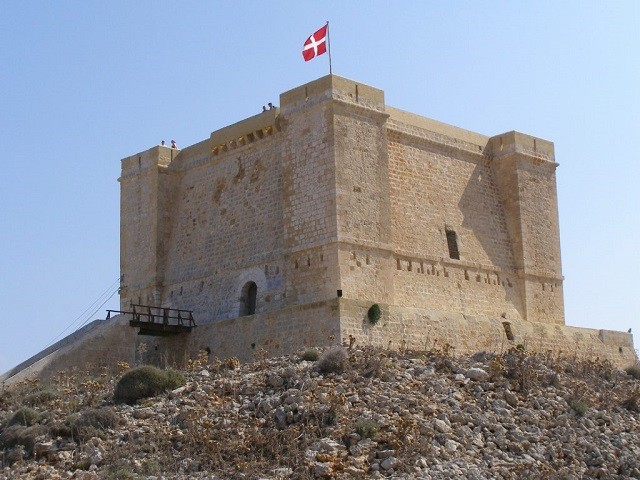
While castles protected major towns and harbours, towers played a different but equally important role. Built mostly during the 17th century, these towers formed a network around Malta’s coastline.
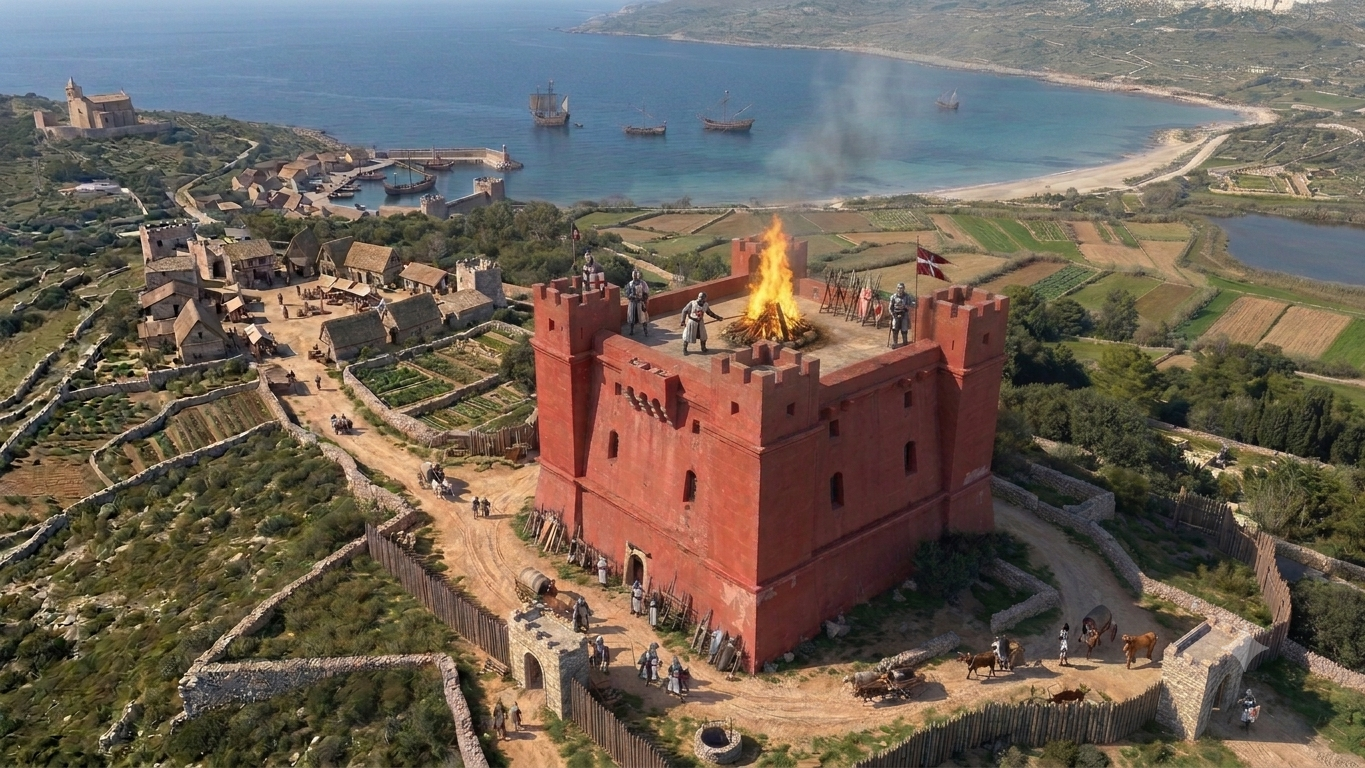
Their primary purpose was surveillance. From these elevated positions, guards could watch the sea for approaching enemy ships, especially pirates and corsairs who frequently raided the islands.
When danger was spotted, the towers were used to send signals—often through smoke by day or fire at night, to nearby towers and inland fortifications. This created an early warning system that allowed the population to prepare for attack.
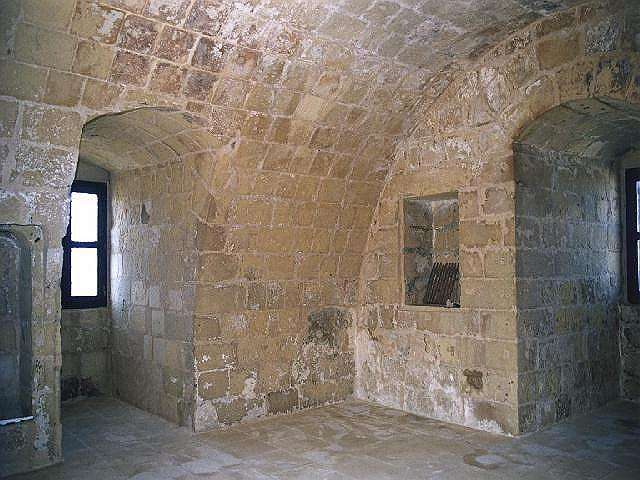
Some towers were also built as mini-fortresses. Stronger towers like the Wignacourt Towers could serve as defensive positions and temporary refuges where locals could take shelter during raids.
Protection Against Pirates and Corsairs
Between the 15th and 18th centuries, Malta faced constant threats from pirates and corsairs, sea raiders who attacked coastal areas and ships. These raids could be devastating, with attackers looting villages and sometimes taking people into slavery.
Towers were critical in preventing surprise landings. Positioned near bays and beaches, they ensured that even remote areas were guarded. Meanwhile, castles and forts provided the strong defensive backbone needed to repel larger invasions.
Interestingly, Malta was not only a target but also a participant in maritime warfare. The Knights themselves conducted corsairing missions, capturing enemy ships to strengthen their economy and defenses.
A Symbol of Power and Resilience
Beyond their military purpose, Malta’s towers and castles symbolized strength and control. Their massive structures sent a clear message to enemies: Malta was heavily defended and not easily conquered.
They also reflected the technological advancements of their time. Designs such as star-shaped forts were specifically created to counter the growing use of gunpowder weapons, showing how architecture adapted to changing warfare.
The towers and castles of Malta were essential for survival in a region marked by conflict. Castles and fortresses protected vital cities and harbours, while coastal towers provided surveillance and early warning against raids. Together, they formed a sophisticated defense system that made Malta one of the most secure strongholds in the Mediterranean.
Today, these structures remain a powerful reminder of Malta’s past—a small island that stood strong against some of the greatest military threats in history.