Table of Contents
ToggleSelmun Chapel: A Quiet Jewel Above Mellieħa
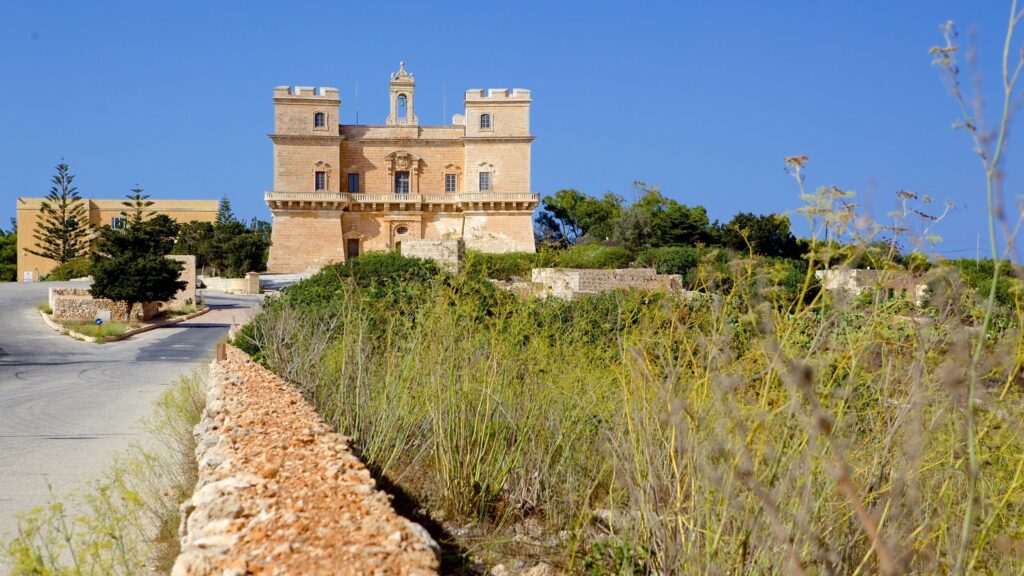
Perched gracefully on the ridge overlooking Selmun Bay, the Selmun Chapel, also known as the Chapel of Our Lady of Ransom (Madonna tal-Fidwa), is one of Mellieħa’s hidden treasures. Often overshadowed by its imposing neighbor, Selmun Palace, this humble chapel carries a deep sense of history, devotion, and Maltese heritage that rewards anyone who takes the time to visit.
A Chapel with a Purpose
The Selmun Chapel dates back to the 18th century, a period when Malta was under the rule of the Knights of St. John. It was built not merely as a place of worship, but as part of a wider philanthropic effort. The nearby Selmun Palace was owned by the Monte della Redenzione degli Schiavi, an institution established to raise funds for the ransom of Christians captured by pirates and enslaved in North Africa.
The chapel served both the estate and the surrounding rural community, offering a spiritual refuge in what was then an isolated and agricultural area.
Architectural Simplicity and Charm
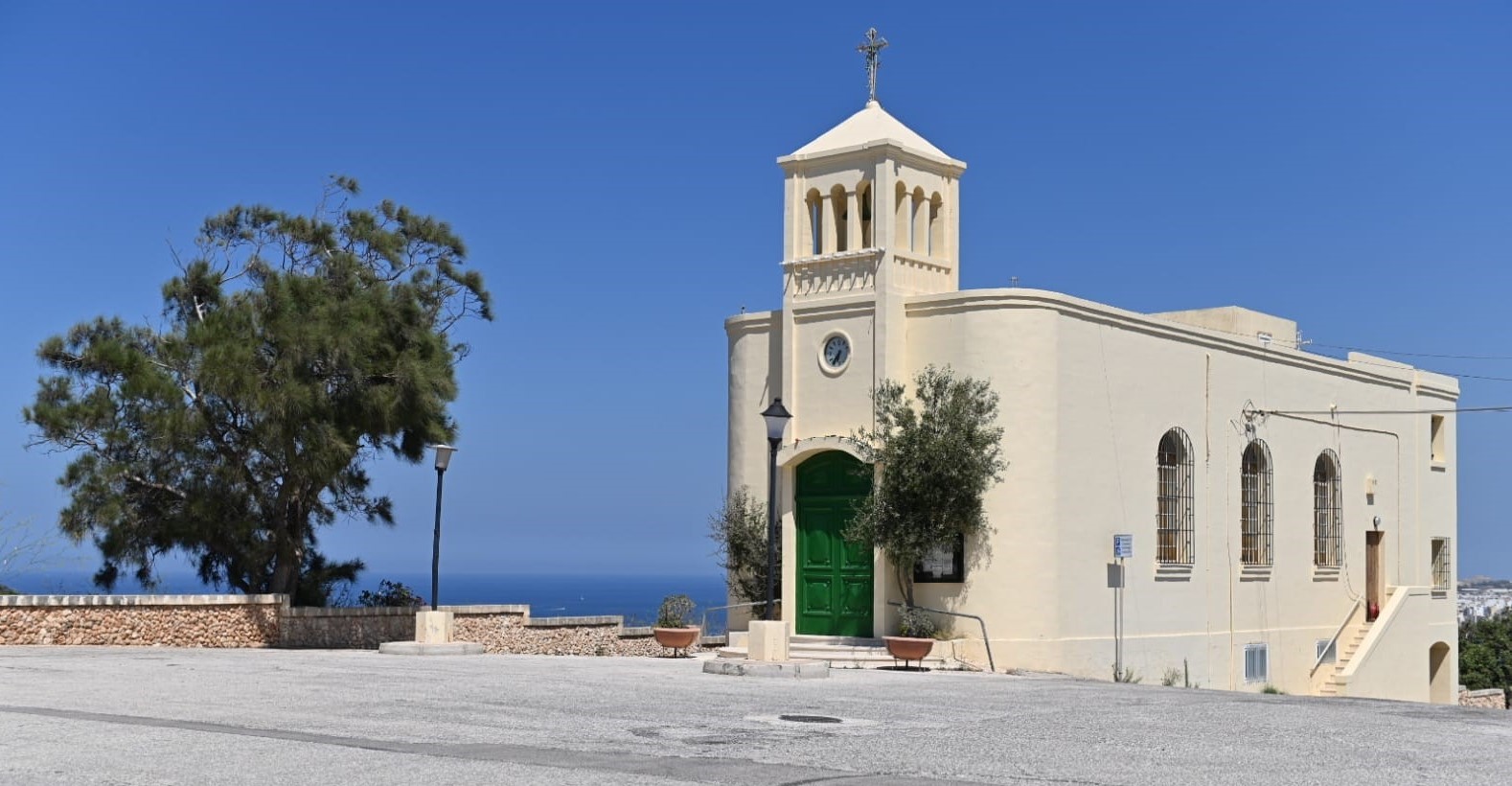
Unlike Malta’s grand baroque churches, Selmun Chapel is modest in design—yet this simplicity is part of its charm. Built from traditional Maltese limestone, its façade is elegant but unpretentious, featuring:
- A symmetrical front with a central doorway
- A small bell cote rising above the roofline
- Clean, simple lines typical of rural chapels
Inside, the chapel is intimate and serene. Its focal point is the altar dedicated to Our Lady of Ransom, symbolizing hope, freedom, and compassion. The simplicity of the interior enhances the feeling of quiet reflection, making it easy to disconnect from the noise of modern life.
A Scenic Setting Like No Other
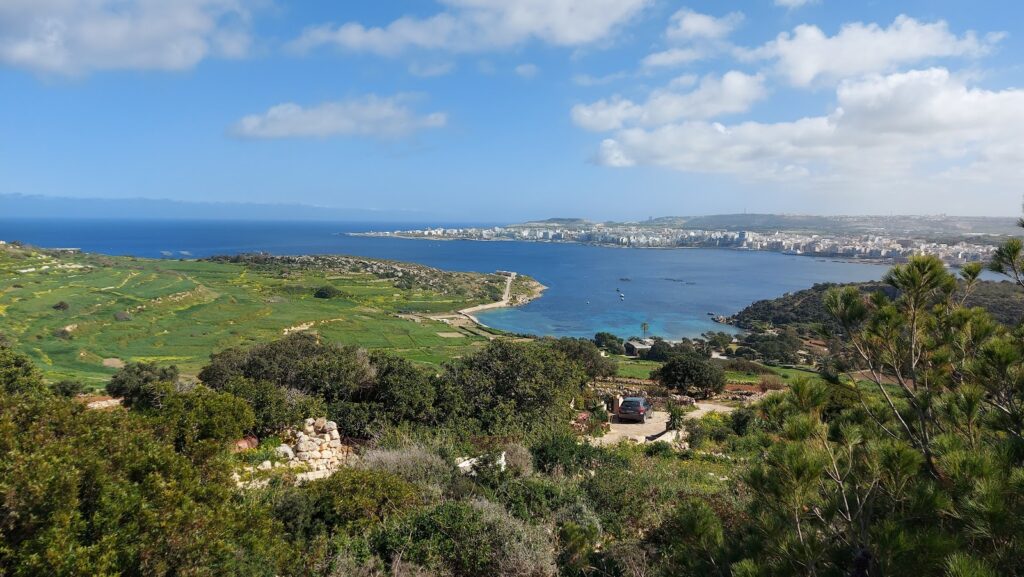
What truly sets the Selmun Chapel apart is its location. Standing on elevated ground, it commands sweeping views of the northern Maltese coastline, including:
- Selmun Bay and Mistra Bay
- St. Paul’s Islands in the distance
- Rolling countryside that changes color with the seasons
At sunrise or sunset, the chapel becomes especially magical. The honey-colored stone glows warmly, and the surrounding landscape seems to pause in admiration. It’s a favourite spot for photographers, walkers, and anyone seeking peace.
A Symbol of Mellieħa’s Rural Past
Today, Mellieħa is known for its beaches and tourism, but Selmun Chapel is a reminder of the area’s agricultural roots. In the past, farmers and herders living in the scattered countryside would gather here for religious celebrations and quiet prayer.
Even now, the area around Selmun retains much of its rustic character. Walking paths, terraced fields, and dry-stone walls surround the chapel, preserving a sense of timelessness.
Visiting the Selmun Chapel
Although small and not always open to the public, the chapel’s exterior alone makes a visit worthwhile. It is easily reached by car or on foot from Mellieħa, and it’s often included in countryside walks around Selmun Palace.
Tips for visitors:
- Visit early morning or late afternoon for the best light and cooler temperatures
- Bring comfortable walking shoes if exploring the surrounding countryside
- Respect the site, as it remains a place of cultural and religious importance