
Table of Contents
ToggleCWGC War Graves in Pembroke
The Origins of Pembroke Military Cemetery
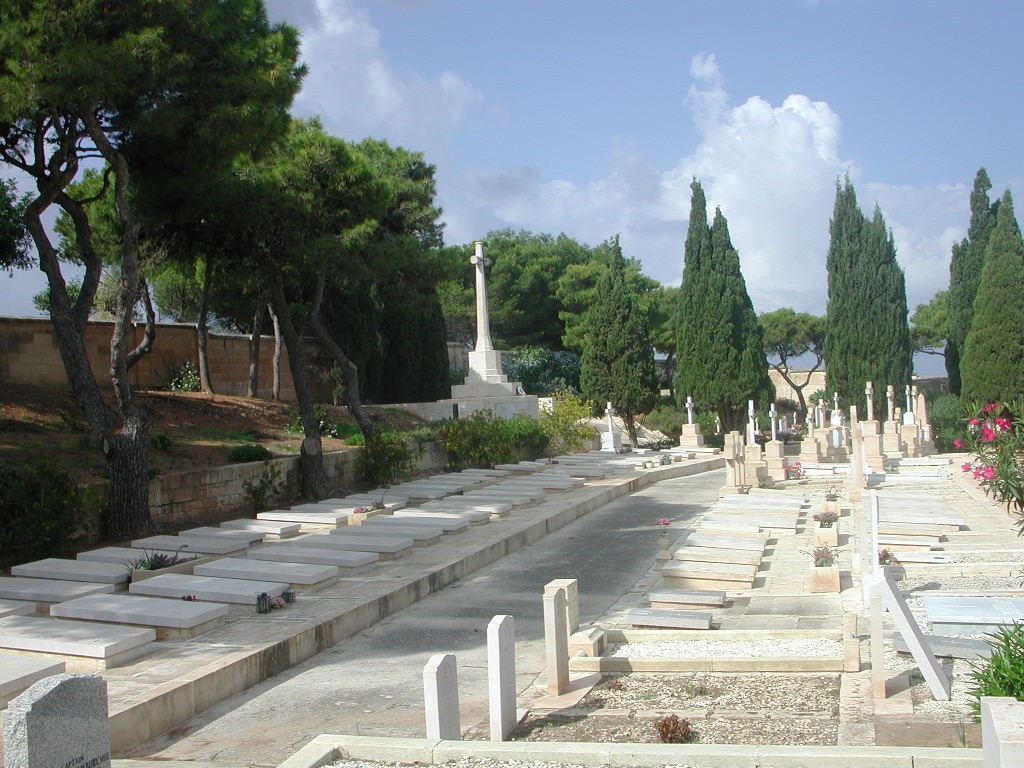
Pembroke Military Cemetery was established in 1908, when Malta was a major British military base in the Mediterranean. The site developed alongside nearby barracks and formed part of a wider garrison community that supported the British Empire’s naval and military operations.
Today, the cemetery holds nearly 700 burials, including more than 300 Commonwealth war graves from the First and Second World Wars, as well as other military and civilian interments. Its position within Pembroke reflects the area’s long-standing military connections, particularly during the early 20th century.
Malta and the First World War
During the First World War, Malta became known as the “Nurse of the Mediterranean” due to its crucial medical role. From 1915 onwards, hospitals across Malta and Gozo cared for over 135,000 wounded and sick soldiers, many evacuated from campaigns such as Gallipoli and Salonika.
Some of these men died despite receiving treatment and were buried on the island. Only a small number of First World War graves—around nine burials—are found at Pembroke, as many others were interred in larger cemeteries elsewhere in Malta. Even so, these graves provide a touching link to soldiers who never made it home after surviving the battlefield.
The Second World War and the Siege of Malta
Most of the graves at Pembroke date from the Second World War, when Malta became one of the most heavily attacked places in the world. Its strategic position between Europe and North Africa made it essential to Allied operations, particularly for disrupting Axis supply lines.
From June 1940 to November 1942, Malta endured constant bombing and blockade. Despite the intensity of these attacks, the island was never captured, and its resistance played a major role in the Allied success in North Africa. In recognition of this courage, the entire Maltese population was awarded the George Cross in 1942. [cwgc.org]
The graves at Pembroke reflect the dangers faced during this period. Those buried here include:
- Airmen of the Royal Air Force, often killed in air raids or operational missions
- Naval personnel, serving in convoy protection and Mediterranean operations
- Army troops, defending the island’s territory
Some died in combat, while others lost their lives through injuries, illness, or accidents while on duty.
Unique Features of the Cemetery
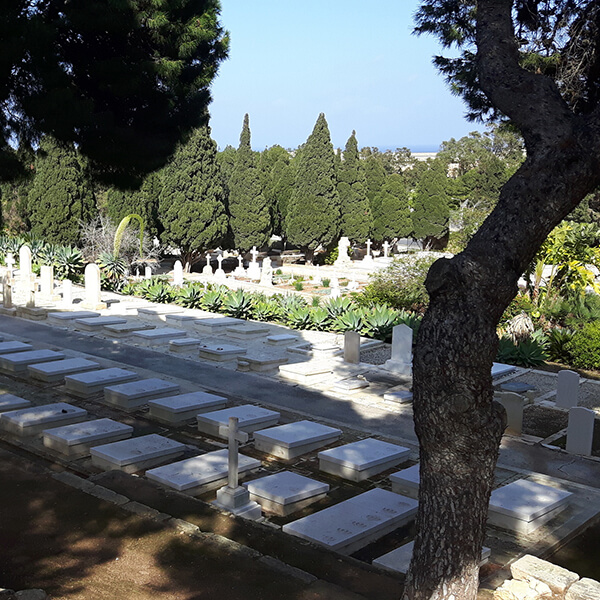
Pembroke Military Cemetery has a distinctive appearance compared to other CWGC sites. Malta’s shallow soil and rocky ground meant that graves often had to be cut directly into stone.
During wartime, especially under air attack, burial work was difficult and dangerous. As a result, many graves are communal, with several individuals commemorated on a single marker. These markers are often flat rather than upright, giving the cemetery a unique layout while still maintaining the CWGC’s principles of equality and dignity.
The Pembroke Memorial
Within the cemetery stands the Pembroke Memorial, dedicated to over 50 Second World War servicemen whose original burial sites elsewhere on the island could not be permanently maintained.
Their names are carved into stone panels near the Cross of Sacrifice, ensuring that they are properly commemorated even without identifiable graves. This reflects the CWGC’s commitment to remembering every individual equally.
A Shared Commonwealth Story
The cemetery highlights the global nature of the war effort. Servicemen from across the Commonwealth—including the United Kingdom, Australia, Canada, New Zealand, South Africa, and Malta—are buried or commemorated here.
This diversity reflects Malta’s role as a hub of Allied cooperation, where troops from different nations served together in defence of one of the war’s most strategically important locations.
Pembroke Today: A Place of Reflection
Today, Pembroke Military Cemetery is carefully maintained by the Commonwealth War Graves Commission. It remains open to the public and offers a peaceful place for reflection within a modern urban setting.
Visitors can walk among the graves and read the inscriptions, gaining insight into the individuals behind the names. The site also plays an educational role, helping people understand Malta’s wartime history and the human cost of conflict.