
Table of Contents
ToggleOld Maltese Road Stairways: History Beneath Every Step
An Everyday Feature with a Hidden Story
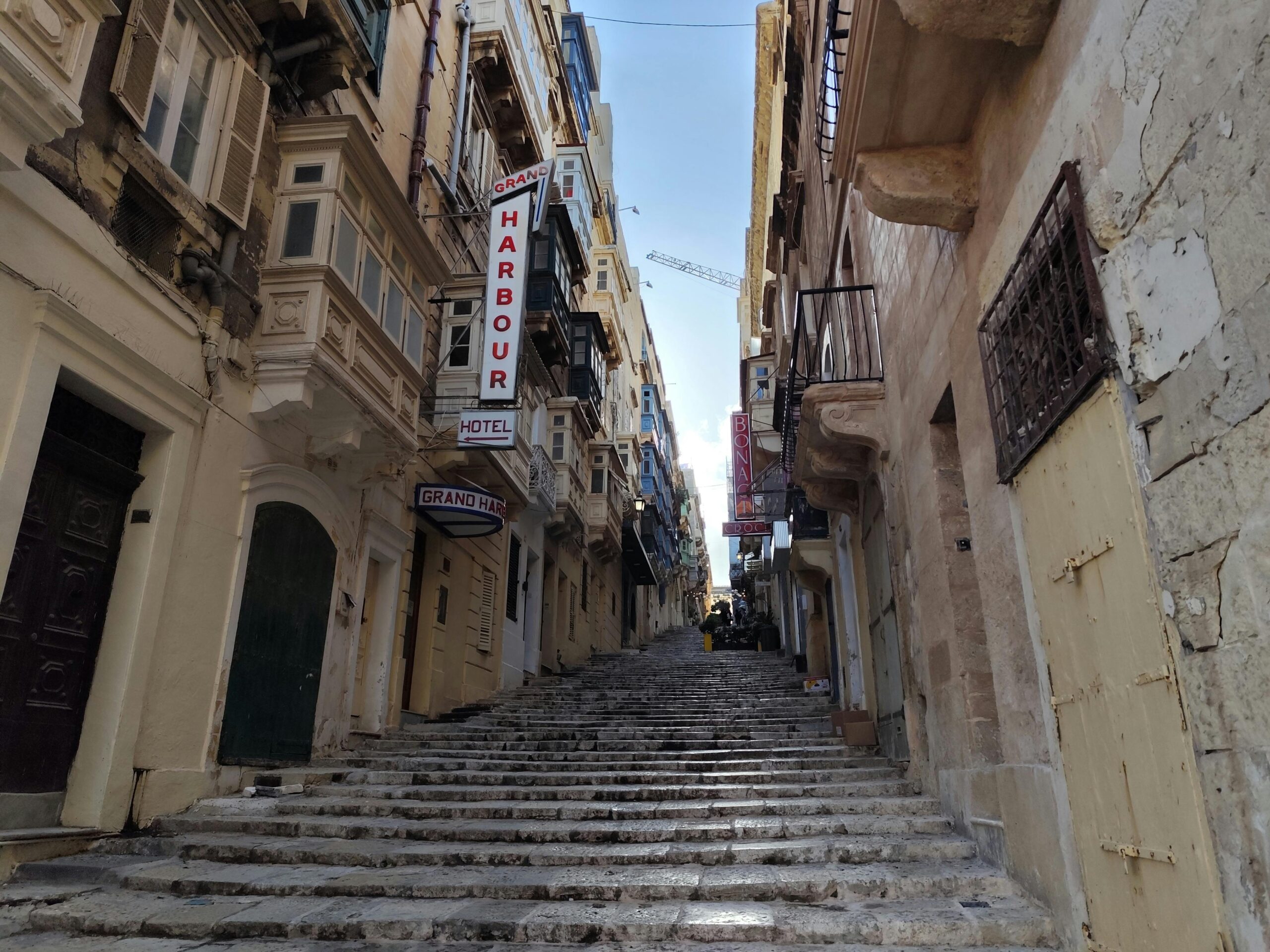
Across Malta’s villages and historic towns, old road stairways blend quietly into the landscape. Found along sloping streets, village cores, and ancient pathways, these stone steps often go unnoticed by those who use them daily. Yet they are among the island’s most enduring architectural features. Worn smooth by centuries of footsteps, Maltese road stairways tell a story of practicality, adaptation, and life shaped by the island’s terrain.
How Old Are Maltese Road Stairways?
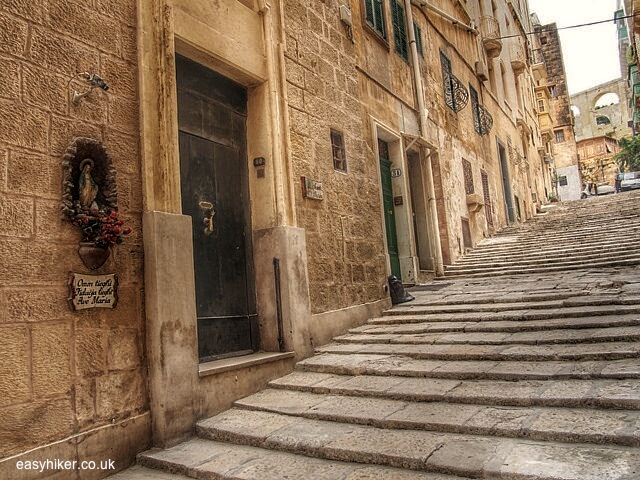
Many of Malta’s road stairways date back several centuries, with some believed to have origins in medieval times. As villages expanded and roads were formalized, stairways became essential in areas where the terrain was too steep for carts or animals. During the period of the Knights of St John, these stairways became more structured, often integrated into urban planning around fortifications, churches, and residential areas.
Over time, stairways were repaired, rebuilt, and sometimes extended, meaning that while the route itself may be centuries old, individual steps could be younger. Still, the original layout often remains unchanged, preserving the logic and function of the earliest designs. In rural areas, some stairways may even follow much older paths once used by farmers moving between fields and settlements.
Built for the Land
Malta’s limestone landscape played a major role in shaping these stairways. Soft when quarried and hardening over time, local limestone was ideal for carving steps directly into sloping ground. This allowed builders to create stairways that felt like a natural extension of the road rather than a separate structure.
The stairways also helped manage erosion. By breaking steep slopes into gradual rises, they reduced water runoff during heavy rains and made paths safer for everyday use. In this way, road stairways were both practical and protective, serving the needs of the community while preserving the land itself.
Why Are the Steps So Low?
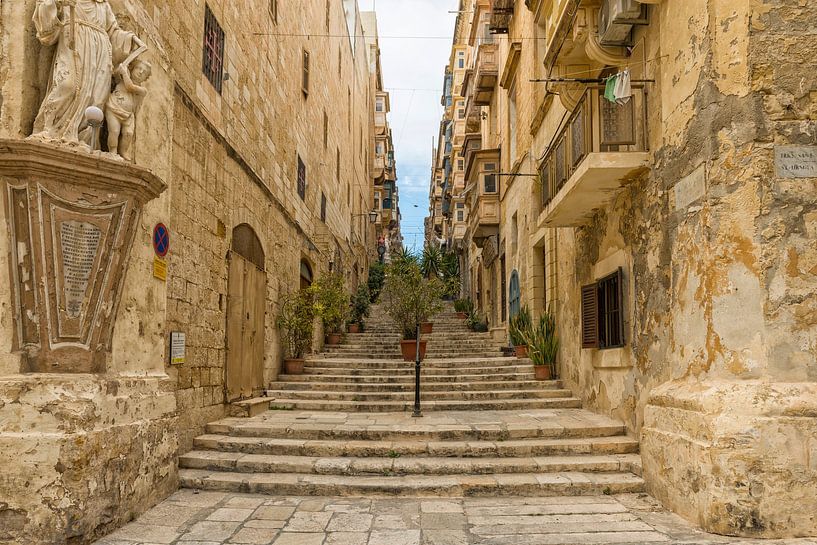
One of the most noticeable features of old Maltese stairways is the low height of each step. Unlike modern staircases, which prioritize efficiency and speed, traditional stairways were designed for comfort, safety, and endurance. Low steps allowed people of all ages to move easily, especially when carrying heavy loads such as water, firewood, or baskets of produce.
Animals also influenced the design. Mules and donkeys were commonly used for transport, and shallow steps reduced strain on their legs. Low risers made it easier for animals to maintain balance while climbing or descending steep routes. In many cases, stairways were shared spaces for both people and animals, so accessibility was essential.
Another reason lies in footwear, or the lack of it. Many people walked barefoot or in simple sandals, and low steps reduced the risk of injury. The gentle rise encouraged a natural walking rhythm, allowing long distances to be covered without exhaustion.
Designed for a Slower Life
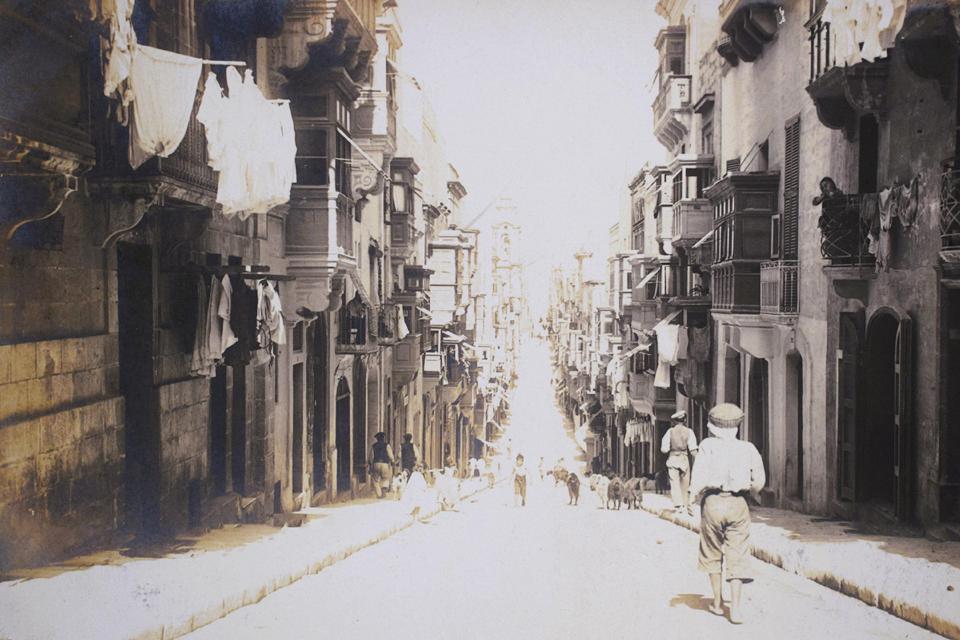
Old Maltese stairways reflect a slower pace of life. Travel was not rushed, and daily movement was part of routine rather than inconvenience. Low steps encouraged steady progress instead of hurried strides. This design made stairways suitable for social use, where neighbors could stop, talk, and rest without disrupting the flow of movement.
These stairways often doubled as informal seating areas. Residents sat on the steps during evenings, children played along them, and processions passed over them during religious feasts. The architecture supported social interaction, reinforcing the stairway’s role as a shared public space.
Craftsmanship and Wear
Each step was shaped by hand, and slight variations in height and width are common. These irregularities were not flaws but reflections of craftsmanship and adaptation to the terrain. Over centuries, the stone has been polished smooth by use, creating the distinctive worn surfaces seen today.
Maintenance was traditionally communal. Damaged steps were repaired using local stone, often by the same families who depended on them daily. This ongoing care allowed stairways to survive far longer than many modern constructions.
Stairways as Living Heritage
Today, old road stairways remain vital links between past and present. They continue to serve pedestrians while reminding us of earlier ways of living. Their low steps, practical design, and enduring materials speak of resilience and thoughtful planning rather than grand architectural statements.
Preserving these stairways is not only about protecting stone; it is about safeguarding everyday heritage. They represent how communities once shaped their environment with care, creating structures that served both function and social life. Each worn step carries the memory of countless journeys — quiet, ordinary, and deeply human.