Qormi Old Bakeries: Where Malta’s Bread Has a Soul
A Town Built on Bread
Qormi, often called Il-belt tal-forn (the town of ovens), holds a special place in Malta’s cultural heart. For centuries, this town has been synonymous with breadmaking. Long before modern bakeries and supermarkets, Qormi’s narrow streets glowed at dawn from the fire of stone ovens, feeding villages across the island.
The Rise of the Old Bakeries
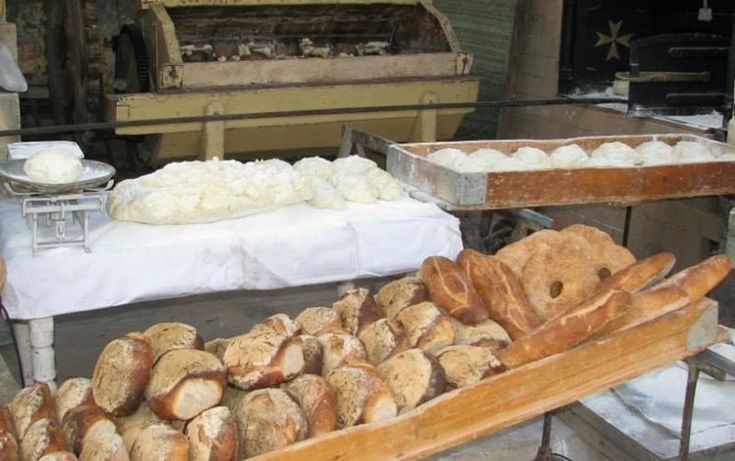
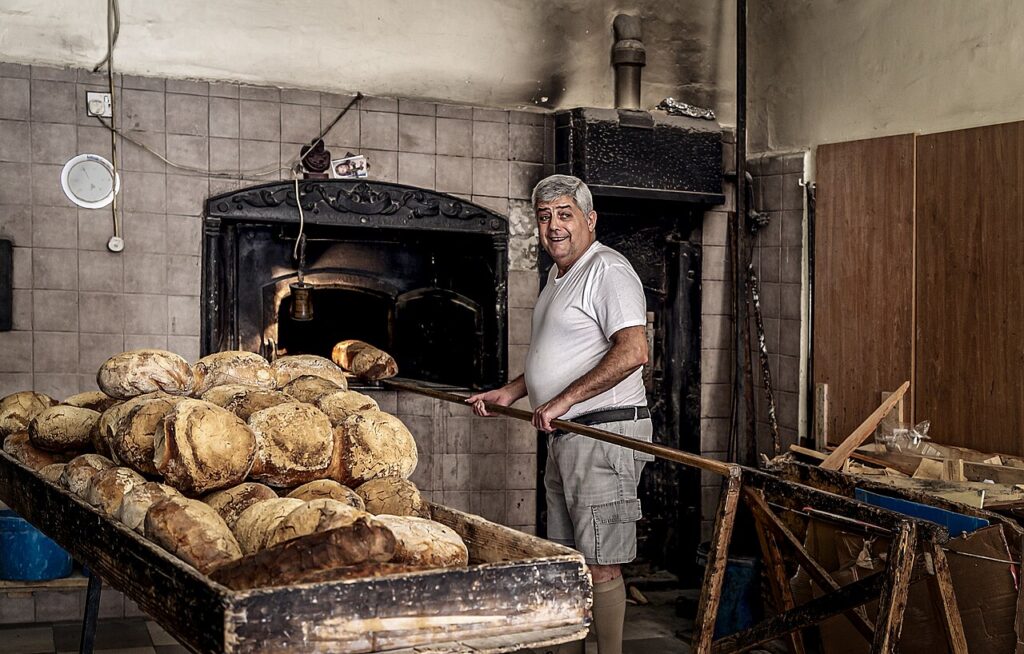
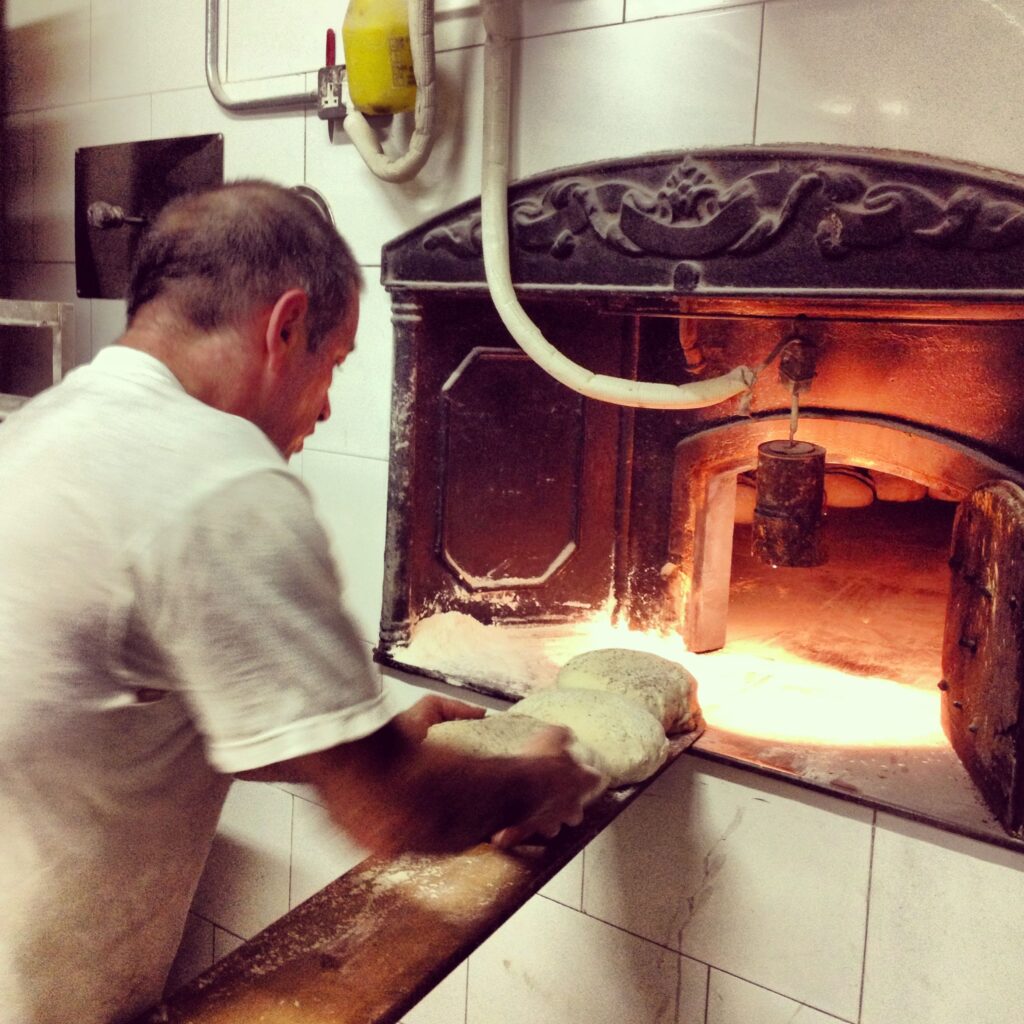
Qormi’s old bakeries were more than businesses, they were family legacies. Many were small, stone-built rooms with wood-fired ovens that burned through the night. Bakers worked in silence, guided by instinct, timing, and experience passed down through generations. The smell of fresh bread drifting through the streets became Qormi’s signature.
The Art of Traditional Maltese Bread
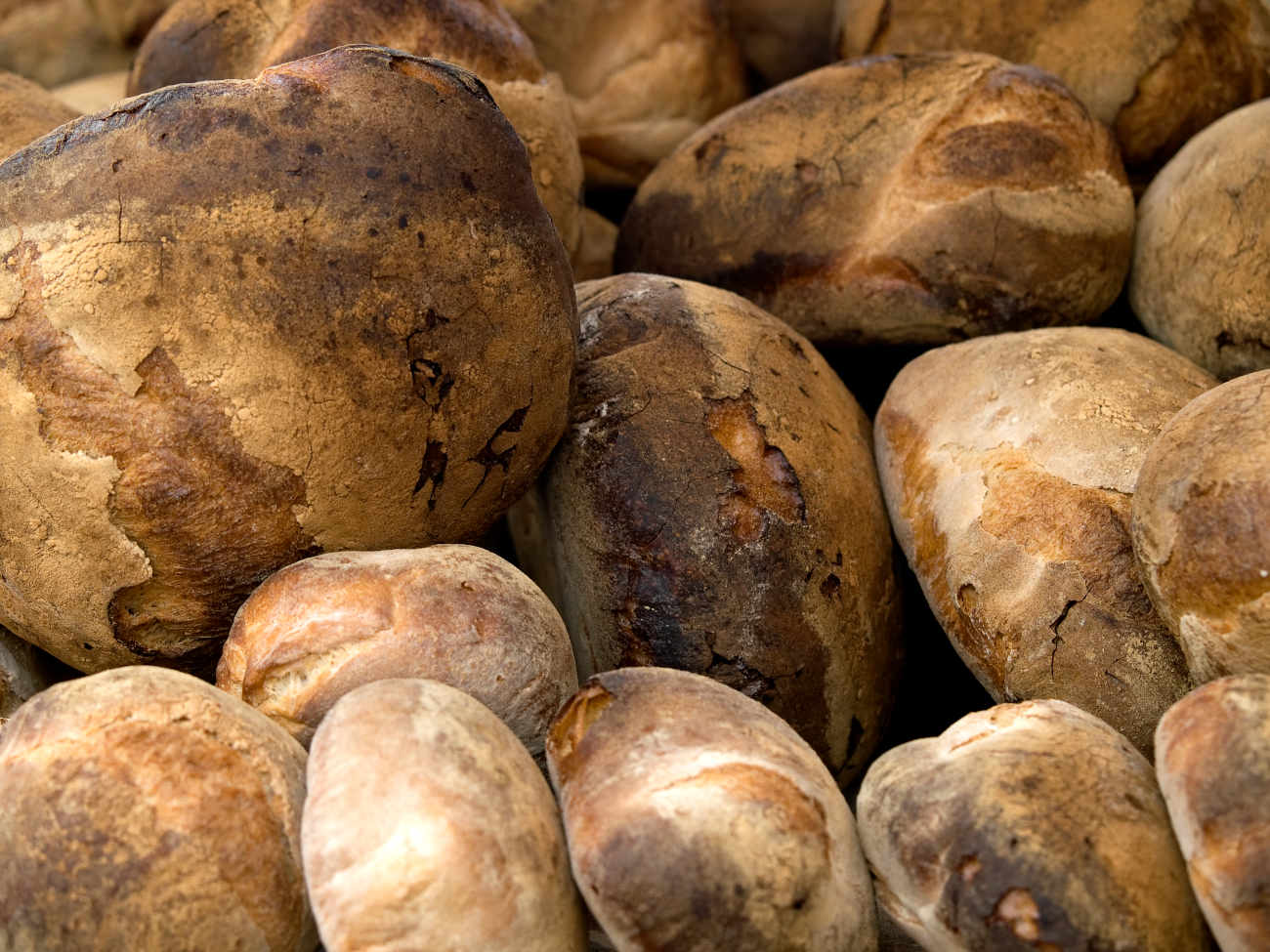
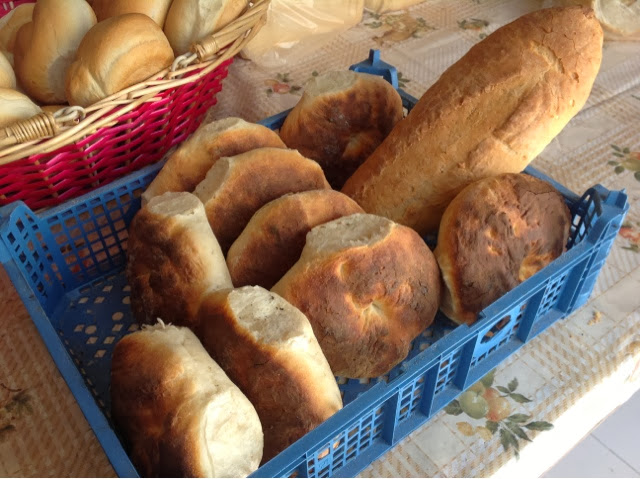
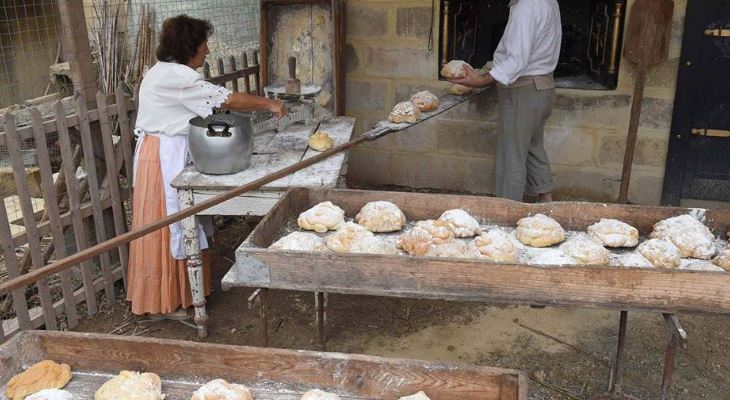
What made Qormi bakeries special was their respect for tradition. Dough was mixed by hand, fermented slowly, and baked directly on hot stone. The result was crusty on the outside, soft and airy inside, bread that stayed fresh longer and tasted richer. Each loaf carried subtle differences, shaped by the baker’s hand and the oven’s mood.
Survival in a Modern World
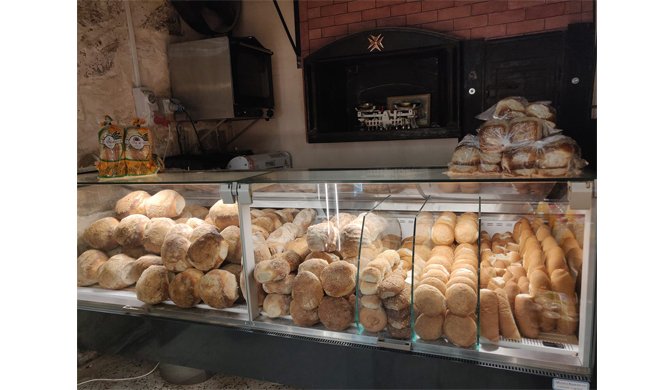
As modern life reshaped eating habits and mass production took over, many of Qormi’s old bakeries were forced to close their doors. Rising costs, strict regulations, and changing consumer expectations made it harder for traditional bakers to survive. Yet, a handful endured. These bakeries chose dedication over convenience, continuing to work through the night, firing their ovens with wood and shaping dough by hand. They resisted industrial shortcuts not out of stubbornness, but out of respect for their craft. Each loaf they produce carries the same care and methods used decades ago, preserving not only authentic flavor but a deep sense of identity. Walking into one of these bakeries today feels like stepping back in time, they are living museums where heritage is baked daily.
A Heritage Worth Preserving
Qormi’s old bakeries are far more than places where bread is made. They are symbols of patience, discipline, and pride in honest work. Every stage of the process reflects a slower rhythm of life, where quality mattered more than speed and tradition was a responsibility, not a burden. In a world driven by convenience and immediacy, these bakeries remind us of the value of craftsmanship and human connection. Preserving them means protecting a way of life that brought people together around something simple, nourishing, and warm, bread made with care, meant to be shared.
Community Around the Oven
Old bakeries in Qormi were more than places to buy bread, they were meeting points woven into daily life. Before sunrise, locals gathered outside the bakery doors, greeting one another as the scent of baking filled the street. Conversations flowed easily, news was shared, plans were made, and small moments of laughter broke the early morning quiet while everyone waited their turn.
Children often played a special role in this ritual. Sent by their families with cloth bags tucked under their arms, they learned responsibility early, carrying home loaves still hot from the oven. Burnt fingertips were worn almost as a badge of honor, proof of a task completed and a tradition lived. These small journeys to the bakery became cherished memories, linking generations through routine.
The bakery was a daily anchor for the community. It marked the rhythm of the day and created a shared experience that connected neighbors beyond words. Through something as simple as bread, the people of Qormi found familiarity, trust, and belonging, a reminder that nourishment feeds both body and community.
Qormi’s old bakeries stand as quiet guardians of tradition, carrying stories shaped by fire, flour, and time. They reflect a way of life where food was crafted with care, shared with pride, and rooted in community. Though many ovens have gone cold, their legacy continues to warm the town’s identity. Preserving this heritage means honoring the people, rituals, and values that turned simple bread into a symbol of togetherness, a legacy still worth protecting and passing on.
Blue
AI Agent
Hello! I’m Blue from Bluewaves Watersports. Ask me anything about boat hire, jet skis or trips around Comino.