
Table of Contents
ToggleSalina Wetlands, Malta: Where Nature, History, and Wildlife Meet
An Introduction to Salina Wetlands
Located on the northern edge of Malta between Naxxar and St. Paul’s Bay, the Salina Wetlands, also known as Is-Salini Nature Reserve, are one of the island’s most important ecological sites. Despite Malta’s reputation for rocky coastlines and historic cities, Salina offers a rare glimpse into a thriving wetland ecosystem that plays a crucial role in biodiversity, conservation, and environmental education.
This unique natural space is not only a sanctuary for wildlife but also a living reminder of Malta’s long-standing relationship with salt production and sustainable land use. (Recommended to also see l-Ahrax tal Mellieha)
A Landscape Shaped by Salt and Sea
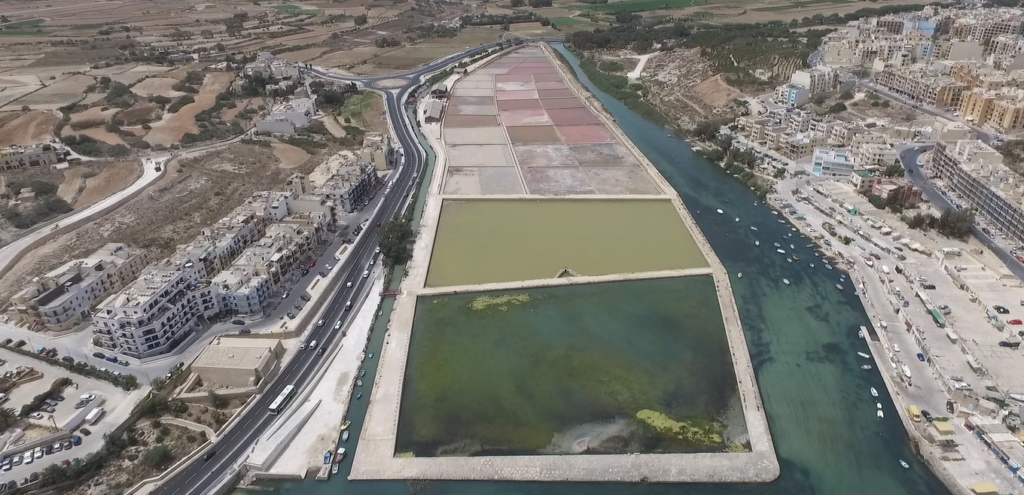
The Salina Wetlands are closely linked to the historic salt pans that date back to Roman times and were later expanded by the Knights of St. John. These shallow basins were traditionally used to harvest sea salt, a valuable commodity that supported local economies for centuries.
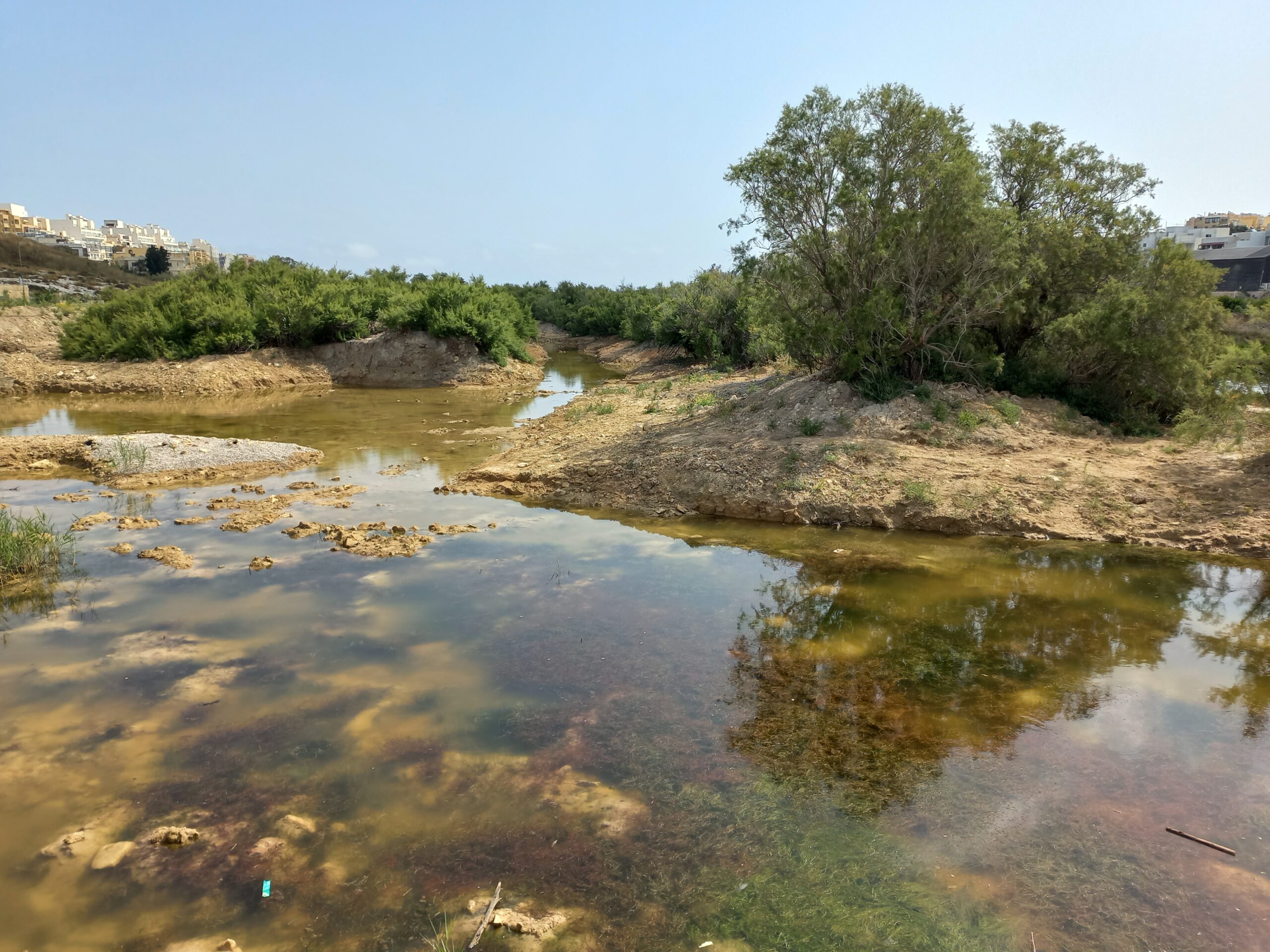
Over time, as commercial salt production declined, nature reclaimed the area. The salt pans evolved into brackish pools and marshlands, creating ideal conditions for wetland plants and animals. Today, the blend of man-made heritage and natural regeneration makes Salina a rare and fascinating landscape in Malta.
A Haven for Birds and Wildlife
One of the Salina Wetlands’ greatest treasures is its role as a bird sanctuary. Positioned along major migratory routes between Europe and Africa, the reserve provides a crucial resting and feeding ground for both resident and migratory species.
Birdwatchers can spot species such as herons, egrets, stilts, sandpipers, and various ducks throughout the year. During migration seasons, the wetlands become especially lively, attracting rare and protected birds that depend on safe habitats like Salina to survive long journeys.
Beyond birds, the wetlands are home to amphibians, insects, crustaceans, and small reptiles. These species form a delicate food web that keeps the ecosystem balanced and healthy.
Native Plants and Fragile Ecosystems
The plant life at Salina Wetlands is specially adapted to saline conditions. Salt-tolerant vegetation such as reeds, shrubs, and halophytic plants helps stabilize the soil, filter water, and provide shelter for wildlife.
These plants are vital not only for biodiversity but also for environmental protection. Wetlands act as natural filters, improving water quality and reducing the impact of flooding and coastal erosion. In a densely populated country like Malta, ecosystems like Salina are invaluable natural defenses against environmental degradation.
Conservation and Community Efforts
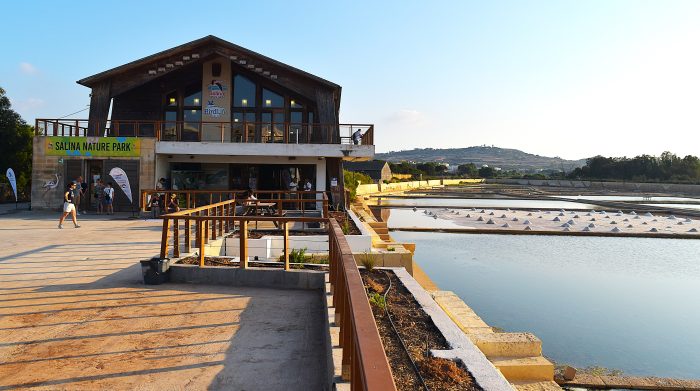
The Salina Wetlands are managed and protected through the combined efforts of environmental organizations, local councils, and volunteers. Conservation initiatives focus on habitat restoration, water management, and public education.
Educational signage, guided walks, and citizen science projects help visitors understand the importance of wetlands and the threats they face, such as pollution, urban development, and climate change. Community involvement has been key in transforming Salina from a neglected site into a respected nature reserve.
These efforts highlight how conservation and urban life can coexist when nature is valued and protected.
Visiting Salina Wetlands
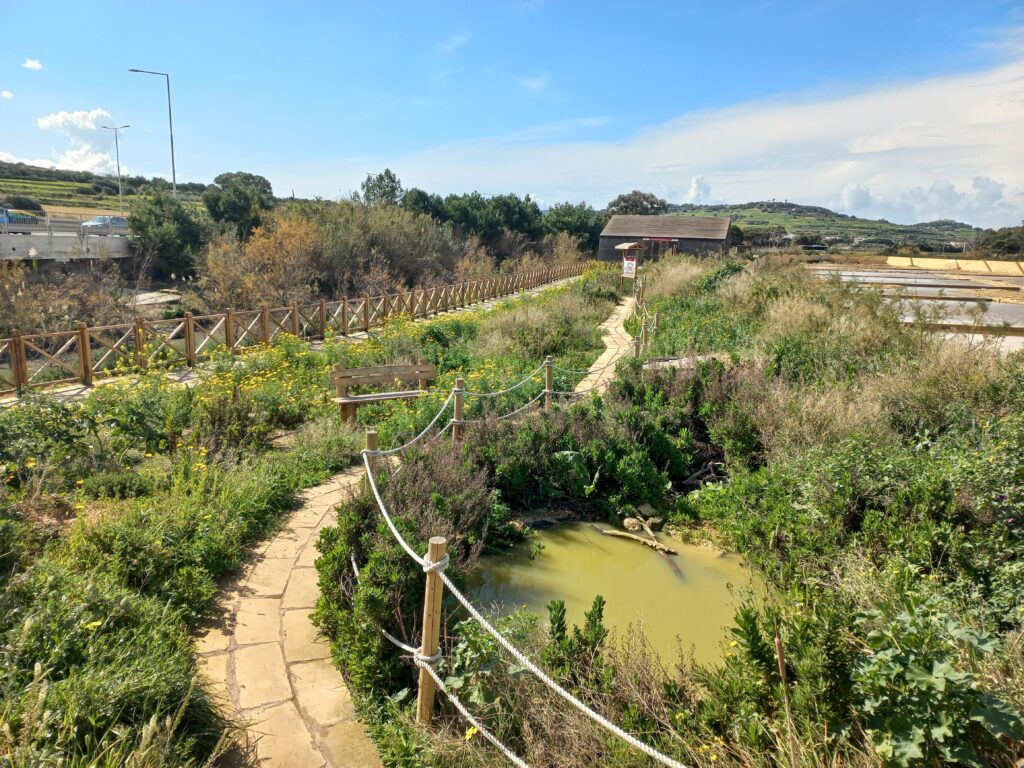
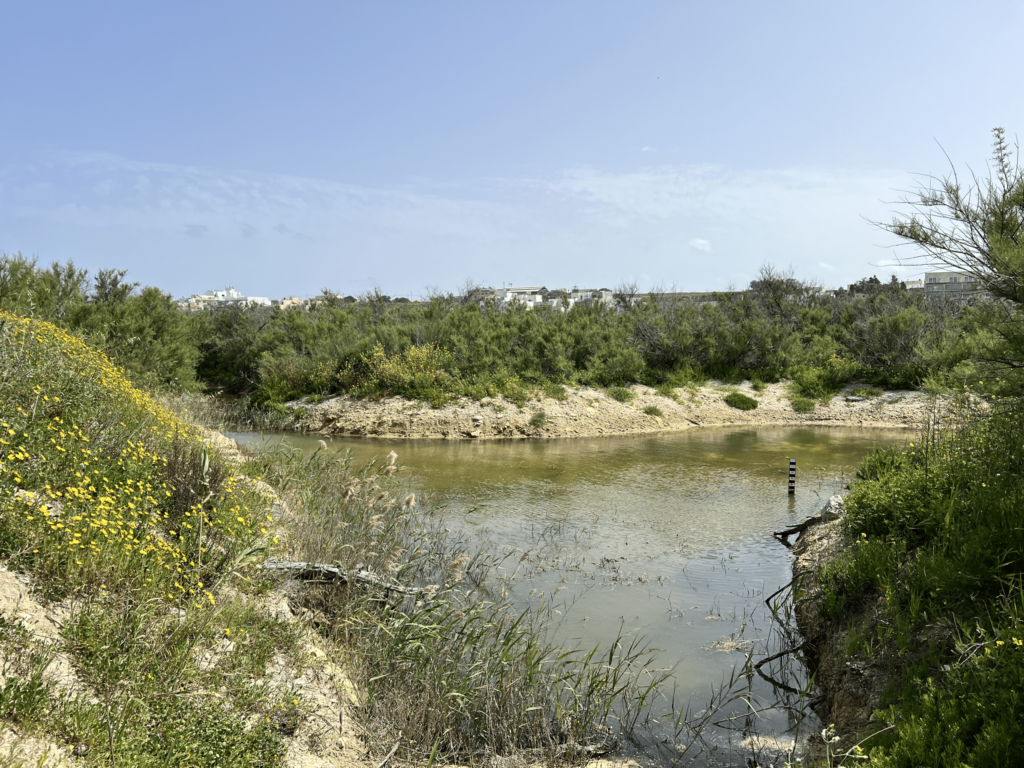
Salina Wetlands are easily accessible and open to the public, making them a perfect destination for a peaceful walk, birdwatching, or photography. Well-marked paths allow visitors to explore without disturbing wildlife, while observation points provide excellent views of the pools and surrounding landscape.
The reserve is particularly beautiful during early mornings and late afternoons, when the light reflects off the water and birds are most active. While visiting, it’s important to respect the environment by staying on paths, avoiding noise, and not leaving litter behind.
Why Salina Wetlands Matter
In a country where open natural spaces are limited, the Salina Wetlands stand as a powerful example of resilience and sustainability. They remind us that even small areas can have enormous ecological value when properly protected.
Salina is more than just a nature reserve — it is a living classroom, a refuge for wildlife, and a quiet escape from Malta’s busy urban life. Preserving it ensures that future generations can continue to experience the beauty and benefits of wetlands firsthand.
A Natural Treasure Worth Protecting
The Salina Wetlands represent the harmony between history, nature, and community action. As Malta continues to develop, places like Salina serve as essential green lungs, offering balance in an ever-changing landscape. Visiting and supporting such spaces is a small but meaningful step toward a more sustainable future.