Table of Contents
ToggleFort Tigne: Malta’s Coastal Sentinel of History
Introduction
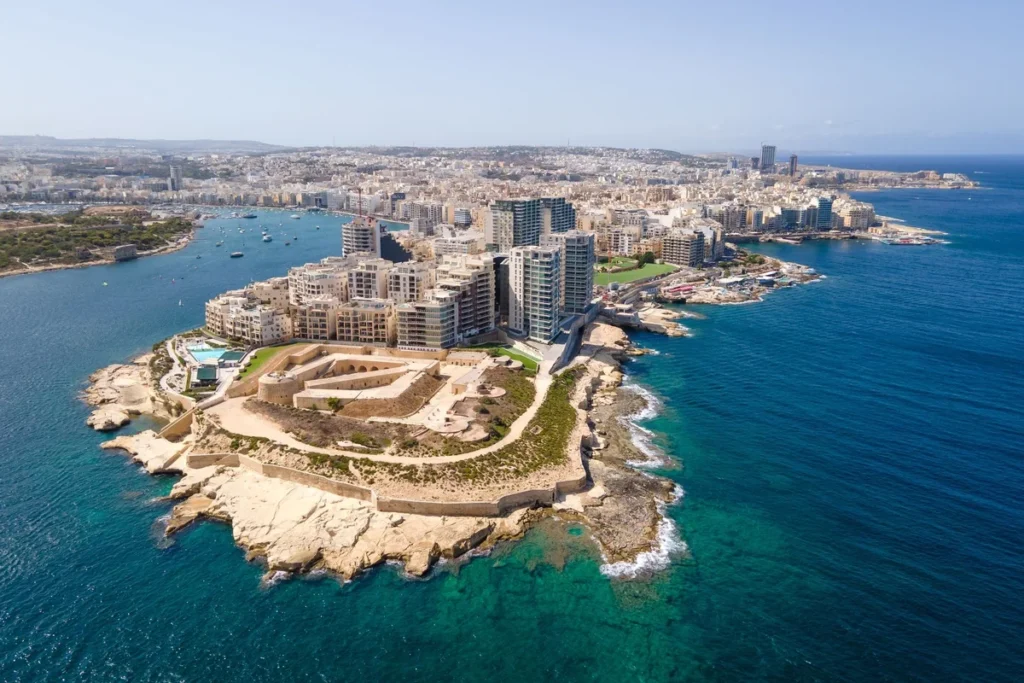
Perched on the tip of the Tigne Peninsula in Sliema, Fort Tigne is one of Malta’s most fascinating historical landmarks. Built in the late 18th century by the Knights of St John, this fortification stands as a testament to Malta’s strategic importance in the Mediterranean. Today, it blends history with modernity, offering visitors a glimpse into the island’s military past while surrounded by contemporary architecture.
The Origins of Fort Tigne
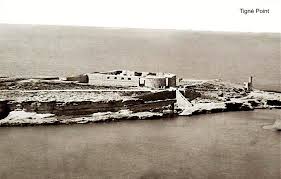
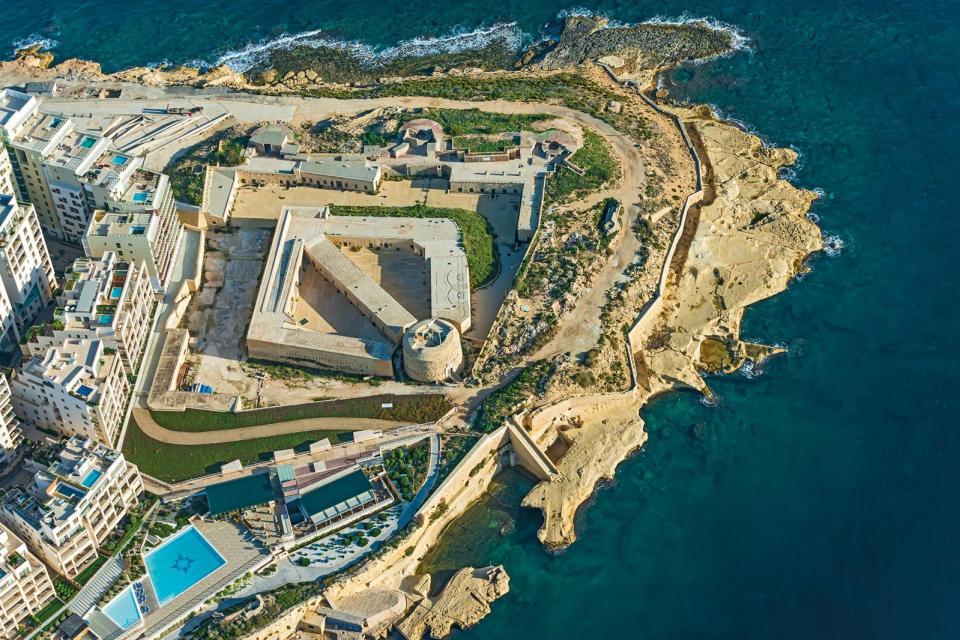
Fort Tigne was constructed in 1792 under the direction of French engineer Stefano de Tousard. Its purpose was clear: to defend Marsamxett Harbour from potential invasions. At the time, the fort was considered revolutionary in design, featuring a polygonal layout that was rare in Europe. This innovative structure allowed for better defence against artillery fire, making it one of the most advanced fortifications of its era.
A Witness to Change
The fort’s history is intertwined with Malta’s turbulent past. Just six years after its completion, the French occupied Malta during the Napoleonic Wars. Later, the British took control and adapted the fort for their own military needs. Throughout the 19th and 20th centuries, Fort Tigne continued to serve as a defensive stronghold, even playing a role during World War II.
Architectural Features
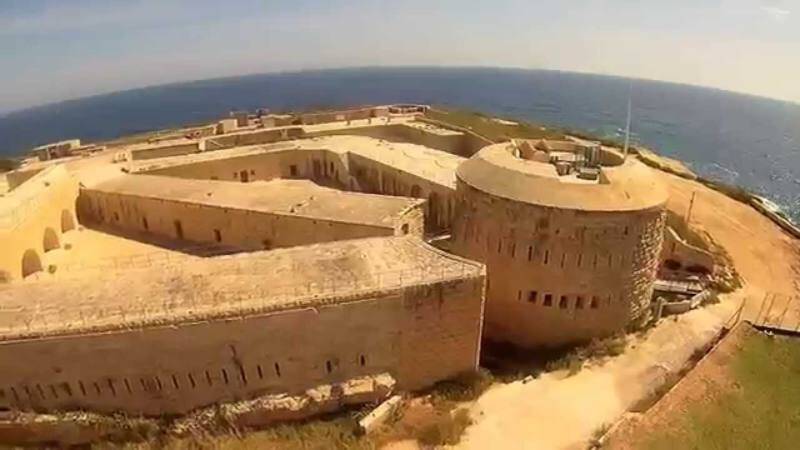
Fort Tigne’s design is a masterpiece of military engineering. Its low, thick walls and angular bastions were built to withstand heavy bombardment. The fort includes a central blockhouse, gun emplacements, and underground passages. Despite centuries of exposure to the elements, much of its structure remains intact, offering visitors a rare opportunity to explore authentic 18th-century military architecture.
Modern Transformation
In recent years, the Tigne Peninsula has undergone significant redevelopment, transforming into a hub of luxury residences and retail spaces. Amid this modern landscape, Fort Tigne stands proudly as a preserved monument. Restoration efforts have ensured that its historical integrity remains intact, allowing visitors to appreciate its original form while enjoying the vibrant surroundings.
Visiting Fort Tigne
Although Fort Tigne is not always open for public tours, its exterior can be admired from various vantage points along the Sliema waterfront. The area is perfect for a scenic walk, combining panoramic views of Valletta with the fort’s imposing silhouette. For history enthusiasts, guided tours are occasionally organised, offering deeper insights into its storied past.
Why Fort Tigne Matters
Fort Tigne is more than just a relic; it symbolises Malta’s resilience and strategic significance throughout history. Its preservation ensures that future generations can connect with the island’s heritage, making it a must-see for anyone interested in military history or architectural innovation.