Table of Contents
ToggleThe Maltese Language A Living Record of History
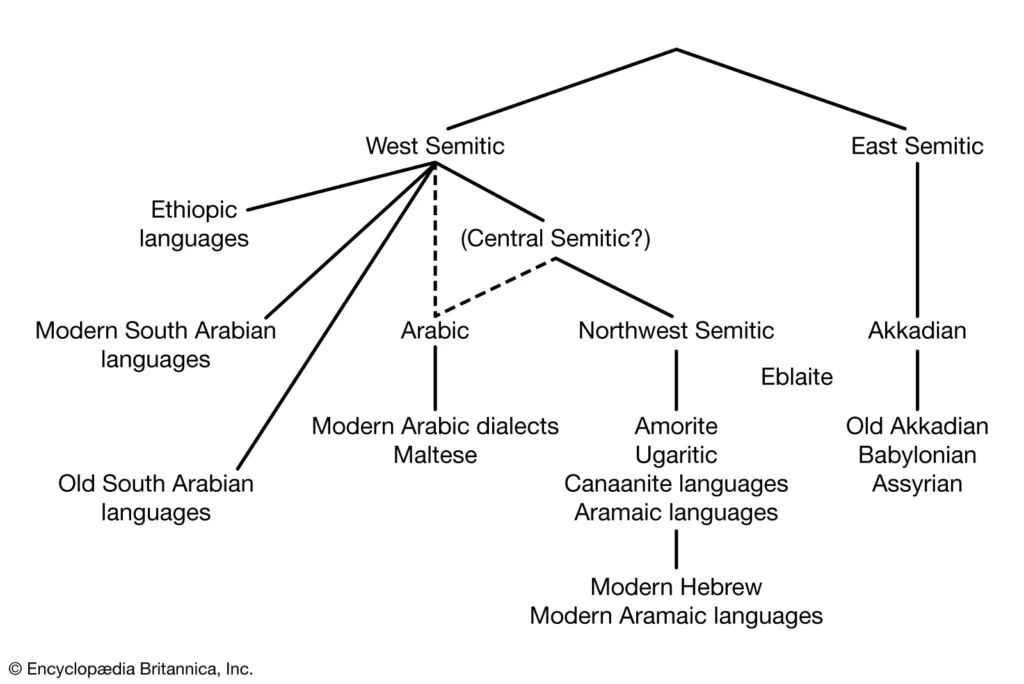
The Maltese language stands as one of the most fascinating languages in Europe. It is the only Semitic language written in the Latin alphabet and the national language of Malta. Maltese reflects centuries of migration, conquest, trade, and cultural exchange in the central Mediterranean. More than a means of communication, it is a living record of the islands history and identity.
Origins of the Maltese Language
The roots of Maltese can be traced back to Arabic spoken in Sicily and southern Italy during the medieval period. When Arab settlers arrived in Malta around the ninth century, they introduced a form of Arabic that became the foundation of the language. After the Arab period ended, the language continued to evolve in isolation, spoken by the local population even as rulers and elites changed.
Unlike other regions where Arabic disappeared after political change, Maltese survived because it remained the language of everyday life. Over time it absorbed influences from the languages of successive rulers while keeping its Semitic structure.
Influence of Latin and Romance Languages
Following the decline of Arab rule, Malta came under Norman and later European control. This introduced strong influences from Latin based languages, particularly Sicilian and Italian. These languages influenced Maltese vocabulary, especially in areas like law, culture, administration, and the arts.
Italian was the language of education and literature in Malta for several centuries. As a result, many Maltese words related to governance, religion, and high culture come from Italian. Despite this heavy borrowing, the grammatical structure of Maltese remained largely Semitic, creating a unique blend unmatched by any other European language.
| English | Maltese | Pronunciation |
|---|---|---|
| Hello | Bongu | BON-goo |
| Yes | Iva | EE-va |
| No | Le | LEH |
| Please | Jekk jogħġbok | yek yohj-BOK |
| Thank you | Grazzi | GRAHT-tsee |
| You're welcome | Merħba | MER-ha-ba |
| Sorry | Skużani | skoo-ZAH-nee |
| Help me | Għini | een i (approx.) |
| Water | Ilma | IL-ma |
| Food | Ikel | EE-kel |
| Friend | Ħabib | HA-beeb |
| How are you? | Kif int? | keef int |
| Good night | Il-lejl it-tajjeb | il-LAYL it-TAY-yeb |
The Role of the Knights of St John
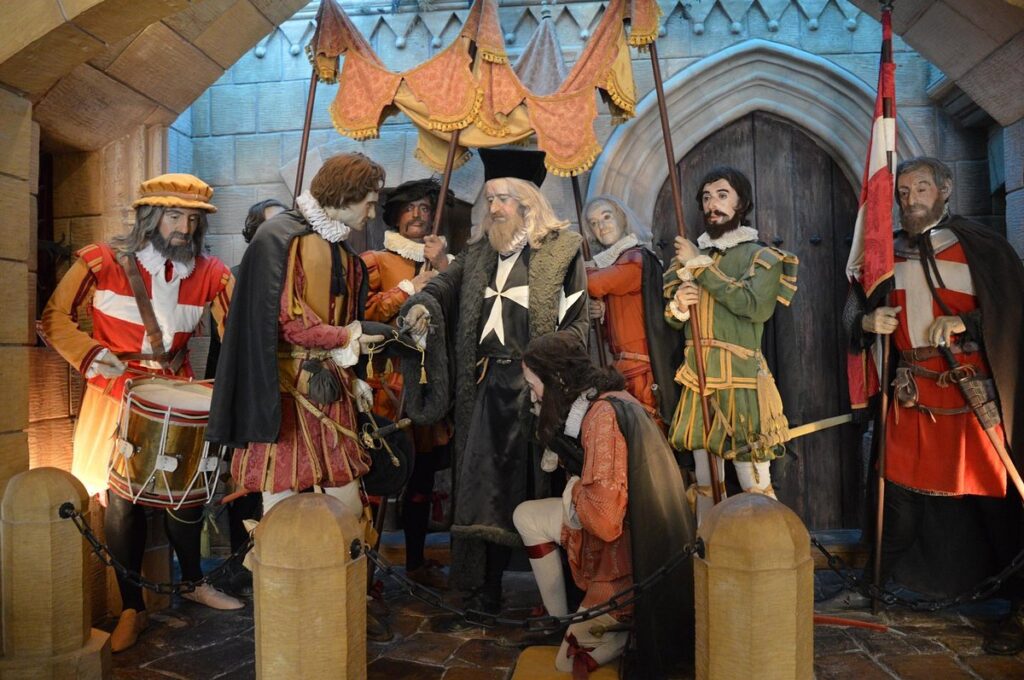
When the Knights of St John arrived in Malta in the sixteenth century, they brought with them a multilingual European environment. While the Knights used Italian and Latin for official matters, Maltese continued to be spoken by the people. During this time, the language absorbed additional vocabulary from French, Spanish, and other European tongues.
Maltese was still considered a spoken dialect rather than a formal language. It had no standardized spelling, and written use was rare. However, it remained strong at the community level, ensuring its survival through centuries of foreign rule.
British Rule and Language Development
British rule marked a turning point in the history of Maltese. English was introduced as an administrative and educational language, adding yet another layer of linguistic influence. At the same time, growing national awareness led scholars and writers to recognize Maltese as a symbol of identity.
Efforts began to standardize the language, including the development of consistent spelling and grammar. In the nineteenth century, Maltese literature began to flourish, with poets and writers choosing to express themselves in their native tongue rather than Italian or English.
Maltese as a National Language
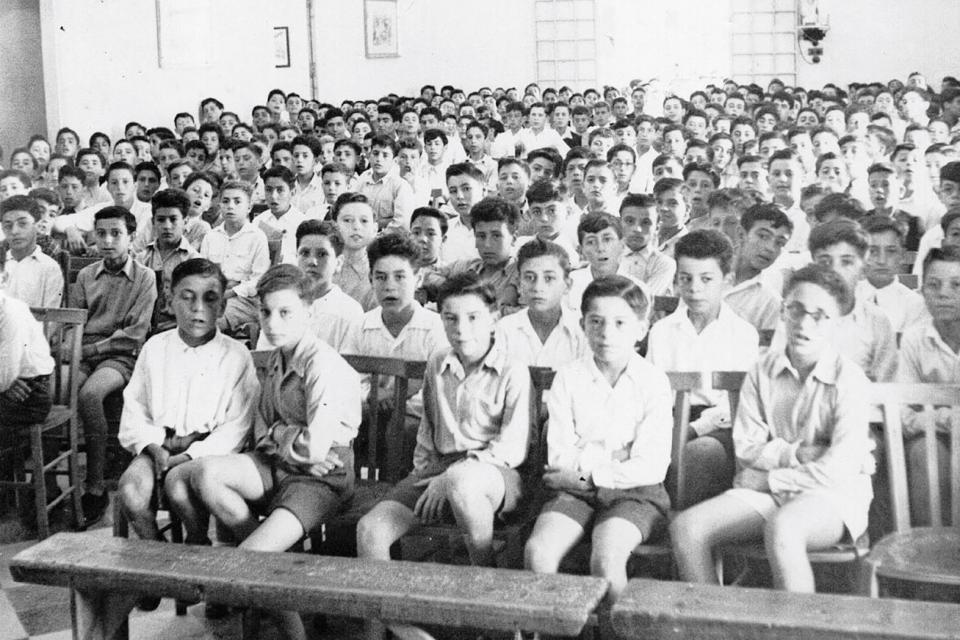
In the twentieth century, Maltese achieved official recognition. It became an official language of Malta alongside English, reinforcing its importance in public life. Schools began teaching Maltese formally, and it became the primary language of national expression, media, and politics.
When Malta joined the European Union, Maltese gained the status of an official European language. This milestone confirmed its place on the international stage and ensured its continued development through translation, terminology creation, and digital use.
Structure and Characteristics of Maltese
Maltese grammar is rooted in Semitic patterns, with words built from consonant roots. Verb forms, plurals, and sentence structure show clear links to Arabic. At the same time, a significant portion of Maltese vocabulary comes from Italian and English, particularly modern and technical terms.
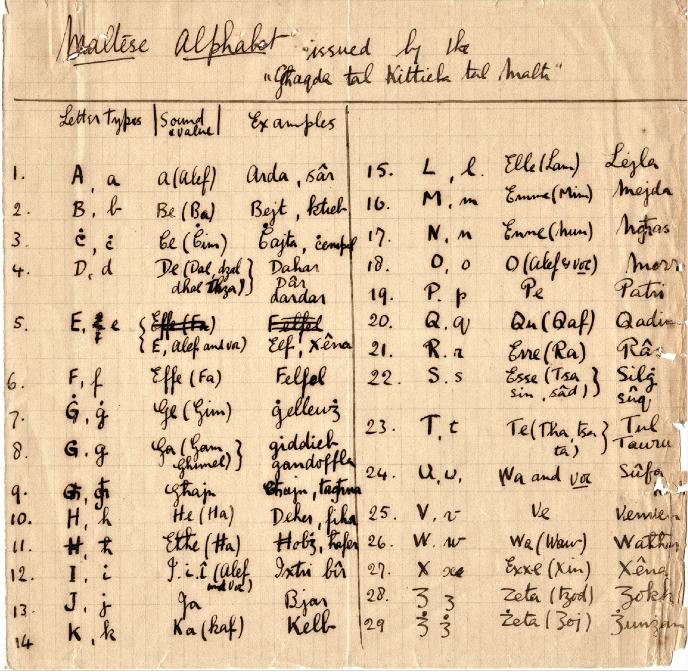
The language uses the Latin alphabet with special letters designed to represent sounds not found in other European languages. This combination of structure and script highlights Maltese rich and complex heritage.
The Cultural Importance of Maltese Today
Today, Maltese is spoken by nearly the entire population of the islands and by Maltese communities abroad. It is used in daily conversation, music, television, literature, and online spaces. Efforts to promote correct usage and protect the language continue through educational institutions and cultural organizations.
Maltese stands as a symbol of resilience. It reflects a history shaped by adaptation rather than replacement. Each influence added depth without erasing what came before, making Maltese not just a language but a historical archive of the Mediterranean world.
The story of the Maltese language is inseparable from the history of Malta itself. From its Arabic roots to its European influences, Maltese tells the story of survival, adaptation, and identity. It remains a powerful reminder that language is not just a tool for communication but a living expression of a nations past and future.