Table of Contents
ToggleIntroduction to Palazzo Falson
Palazzo Falson is one of Mdina‘s most intimate and evocative historic buildings. Located within the narrow streets of the Silent City this medieval palace offers a glimpse into the refined private world of Maltese nobility. Rather than feeling like a traditional museum it preserves the character of a lived in home allowing visitors to experience history through atmosphere objects and space. A visit here is less about spectacle and more about quiet discovery.
Mdina and the Setting of the Palazzo
Mdina has long been known as a place of retreat and reflection. Enclosed by bastioned walls and removed from modern traffic the city feels suspended in time. Palazzo Falson mirrors this quality through its inward facing design thick stone walls and sheltered courtyard. The building blends naturally into its surroundings reinforcing the sense that it belongs to the rhythm of the old city rather than standing apart from it.
Medieval Origins and Architectural Character
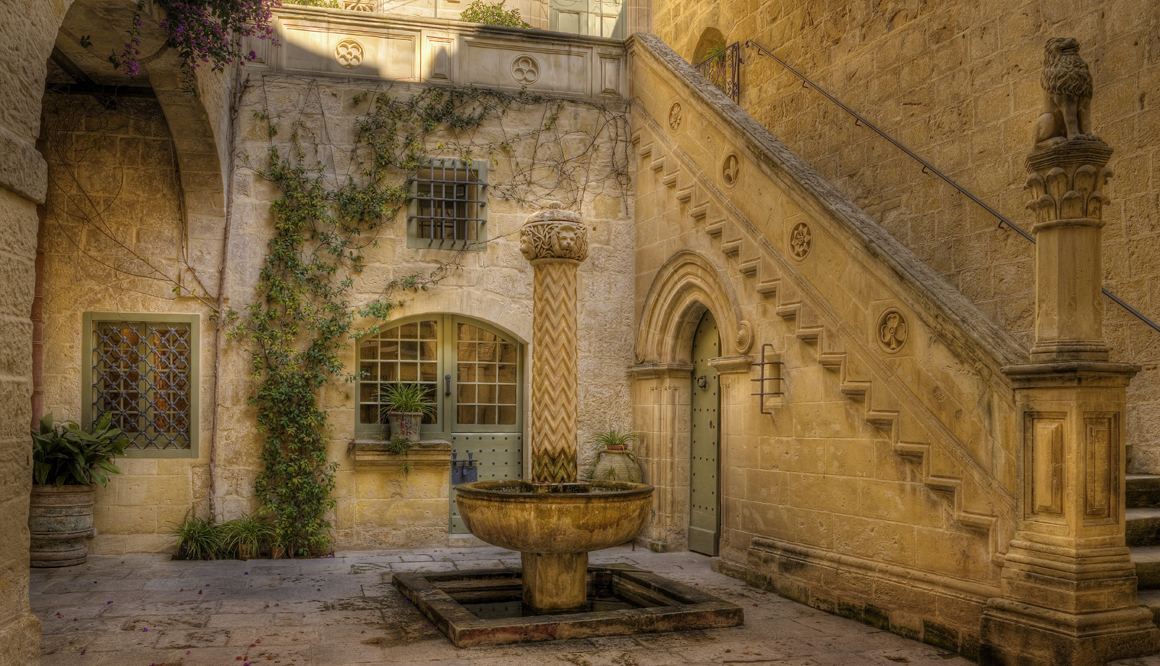
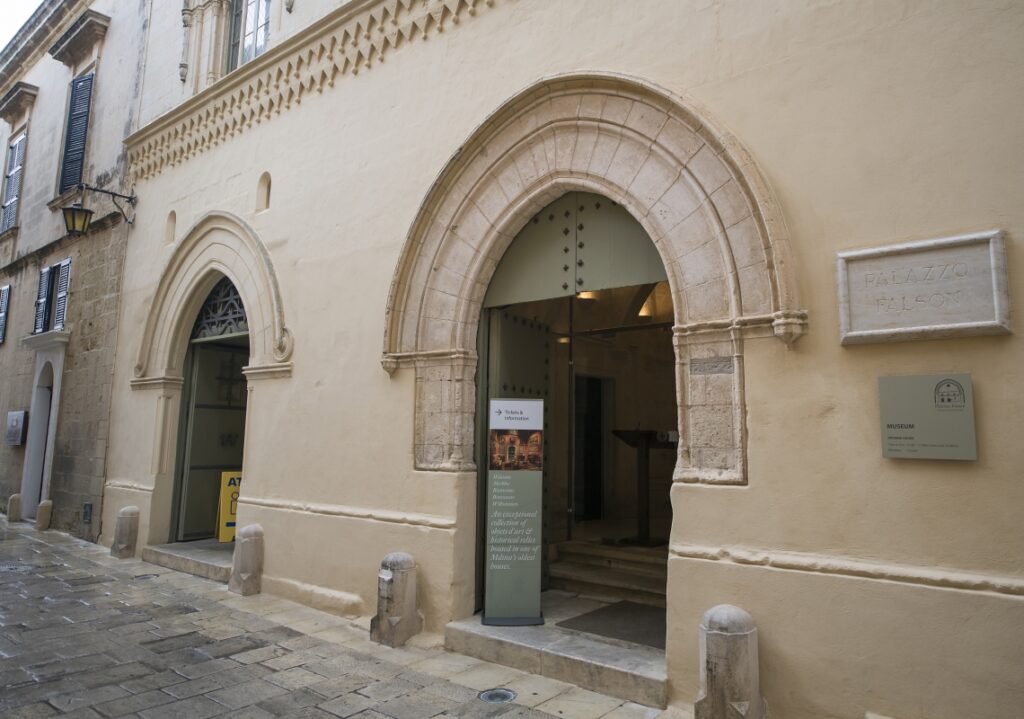
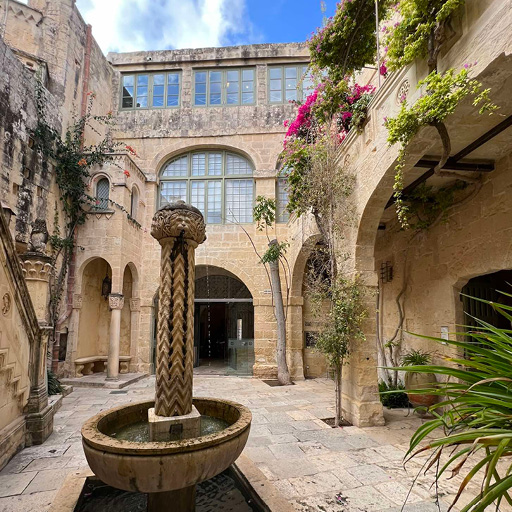
The structure of Palazzo Falson dates back to the medieval period with layers added over centuries. Its architecture reflects practicality elegance and privacy. Arched doorways stone staircases and enclosed spaces create an environment that feels secure and contemplative. The courtyard at the heart of the house brings in light and air while reinforcing the sense of separation from the outside world. This balance between openness and enclosure defines much of the palazzos charm.
The Legacy of Captain Olof Gollcher
The identity of Palazzo Falson is closely tied to its last resident Captain Olof Gollcher. A scholar artist and collector he dedicated his life to learning and preserving objects of cultural value. Unlike many historic houses that are emptied and reconstructed this palazzo retains Gollchers personal collection exactly where it belonged. His presence is felt throughout the rooms through the careful arrangement of books art and furniture.
The Library and Intellectual Life
One of the most striking rooms in the palazzo is the library. Shelves filled with rare volumes surround desks reading chairs and personal objects. The space reflects a life dedicated to study and curiosity. Books on history art and archaeology reveal an interest in both Maltese heritage and European culture. The library stands as a reminder of the importance of learning among the educated elite of past centuries.
Living Spaces and Domestic Atmosphere
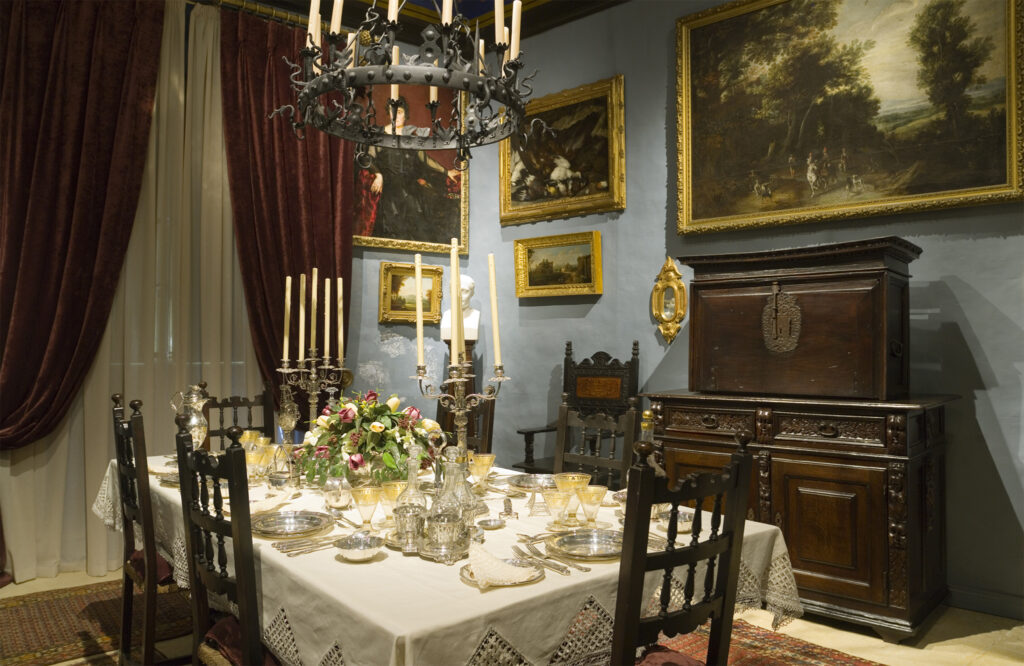
The living and dining rooms of Palazzo Falson offer insight into everyday noble life. These spaces feel warm and personal rather than grand or formal. Antique furniture textiles and decorative items create a sense of comfort and continuity. Portraits and artworks line the walls adding character and intimacy. Walking through these rooms feels like stepping into a moment briefly paused rather than a staged historical display.
Art and Decorative Collections
Art is woven throughout the palazzo rather than confined to a single gallery. Paintings sculptures ceramics and silver appear in nearly every room. The collection reflects a blend of local craftsmanship and European influence highlighting Maltas role as a cultural crossroads. Each object contributes to the overall narrative of taste refinement and personal passion rather than existing solely as an isolated exhibit.
The Rooftop Terrace and Views
The rooftop terrace offers a striking contrast to the enclosed interior. From this vantage point visitors can look across Mdina and the surrounding countryside. The open sky distant hills and church domes create a sense of quiet grandeur. This space invites reflection and provides context showing how the palazzo fits within the broader landscape of Malta.
Cultural Importance and Visitor Experience
Palazzo Falson plays an essential role in preserving not just physical objects but also ways of life. Through its rooms visitors gain insight into social customs reading habits and domestic routines of a bygone era. The experience encourages slow exploration and close observation aligning perfectly with the tranquil character of Mdina itself.