
Table of Contents
ToggleThe Origins of Pastizzi: Malta’s Most Beloved Pastry
Few foods are as instantly recognisable in Malta as the pastizz. Crisp, flaky, and unmistakably Maltese, the pastizz is more than a quick snack—it is a symbol of everyday life on the islands. Found in village bakeries, late‑night kiosks, and seaside towns across Malta and Gozo, the pastizz has a long and fascinating history rooted in practicality, influence, and tradition.
What Is a Pastizz?
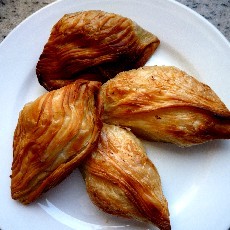
A pastizz (plural: pastizzi) is a small, diamond‑shaped pastry made from thin layers of dough folded with fat to create a flaky texture. Traditionally, it is filled with either irkotta (fresh sheep’s milk ricotta) or piżelli (curried mushy peas). These two fillings remain the most iconic, despite modern variations that have appeared over time.
The appeal of the pastizz has always been simple: it is inexpensive, filling, and satisfying—designed for everyday people rather than special occasions.
Mediterranean Roots and Foreign Influences
The origins of the pastizz are closely tied to Malta’s position at the crossroads of the Mediterranean. While the pastizz is uniquely Maltese today, its ancestry reflects centuries of foreign influence.
Many food historians trace the concept back to Middle Eastern and North African pastries, where filled dough parcels were common long before Malta developed its own version. The very word pastizz is believed to derive from the Italian pasticcio, meaning a pie or mixed filling, reflecting Sicily’s strong cultural influence on Malta.
However, what truly shaped the modern pastizz was the British colonial period (1800–1964). During this time, affordable street food became essential for dockworkers, labourers, and soldiers. The need for something cheap, fast, and calorific led Maltese bakers to refine the pastizz into the form we know today.
The Birth of the Traditional Fillings
Ricotta (Irkotta)
Ricotta was widely available in rural Malta, particularly in areas where sheep farming was common. Its mild flavour, affordability, and ability to hold moisture made it ideal for baking inside pastry. Over time, ricotta pastizzi became the preferred choice for many Maltese families and remain the most popular variety today.
Peas (Piżelli)
The pea filling is often misunderstood by visitors. It is not simply mashed peas but a seasoned mixture traditionally flavoured with curry powder—a spice introduced through British trade routes. This reflects Malta’s historical openness to adapting foreign ingredients into local cuisine.
The use of peas also had a practical origin: they were cheap, filling, and could be stored easily, making them ideal during times of hardship, especially during and after World War II.
From Bakery Staple to National Icon
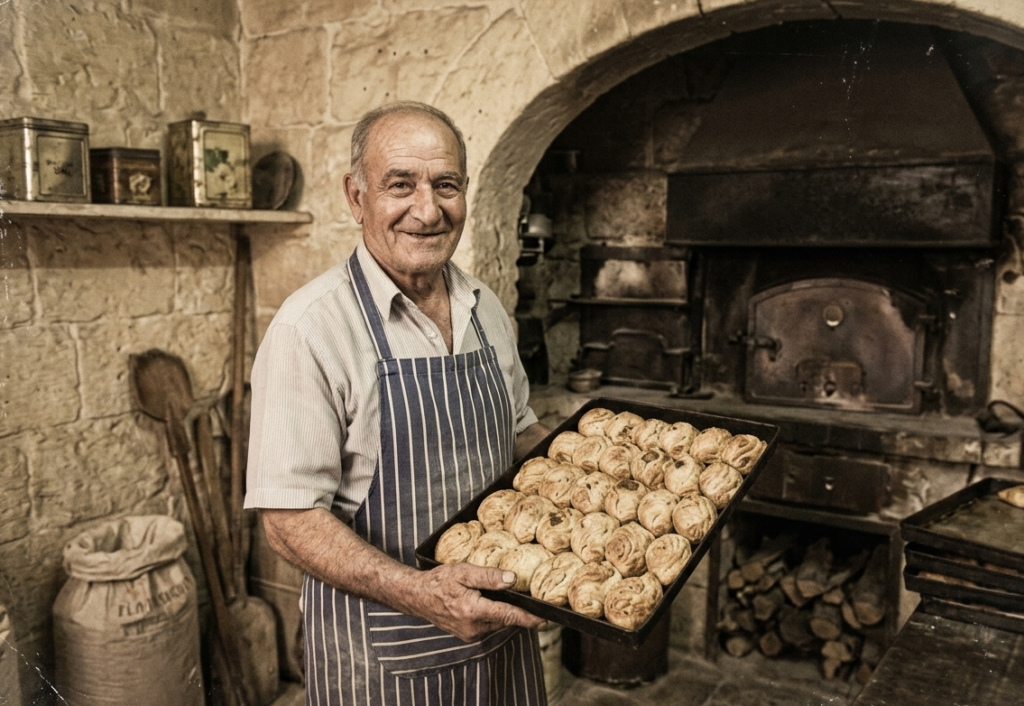
By the mid‑20th century, pastizzi had become a staple of Maltese daily life. Bakeries began specialising in them, and dedicated pastizzeriji emerged, some operating almost around the clock. Eating pastizzi after work, during a break, or late at night became a social ritual shared across generations.
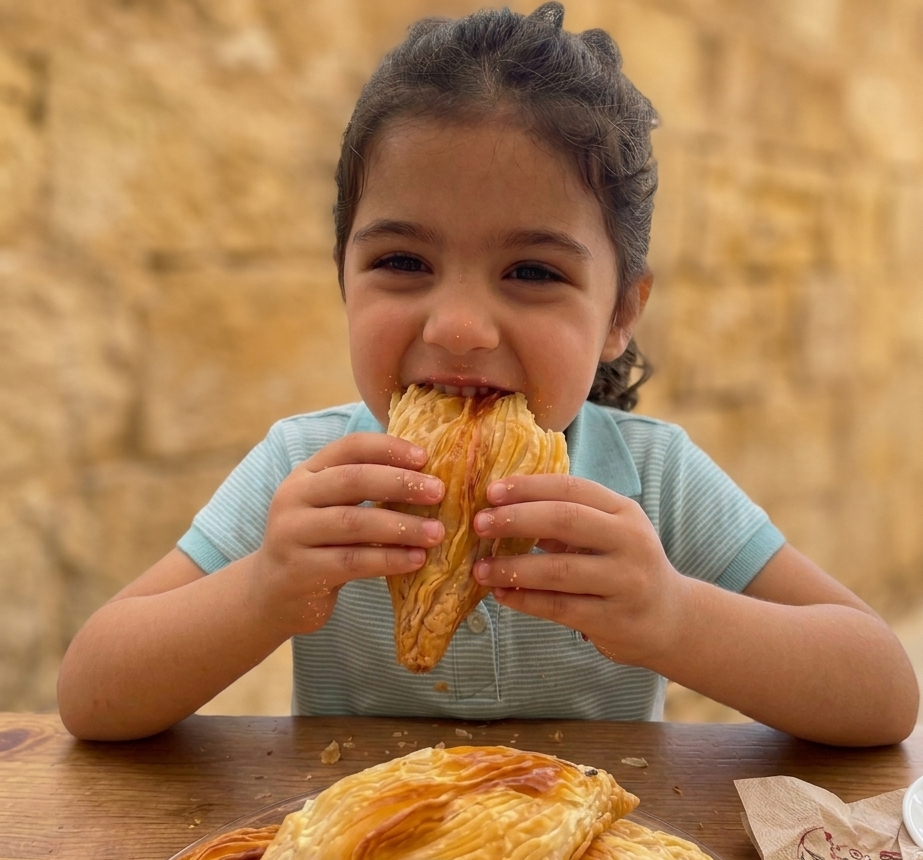
What makes the pastizz remarkable is that it transcended class. Everyone ate pastizzi—workers, students, professionals, and families alike. It was one of the few foods that truly belonged to everyone.
Pastizzi and Maltese Identity
Today, pastizzi are deeply tied to Maltese identity. For locals living abroad, they represent nostalgia and home. For visitors, they are often the first taste of authentic Maltese food.
Despite modern fillings such as chicken, chocolate, or spinach appearing in some places, traditionalists maintain that true pastizzi are only ricotta or peas. This quiet debate itself highlights how emotionally connected Maltese people are to this humble pastry.
Why Pastizzi Have Endured
The pastizz has survived centuries not because it changed dramatically, but because it didn’t need to.
Its success lies in:
- Simple ingredients
- Affordable pricing
- High energy value
- Portability
- Consistency across generations
In a fast‑changing world, the pastizz remains reassuringly familiar.
A Living Tradition
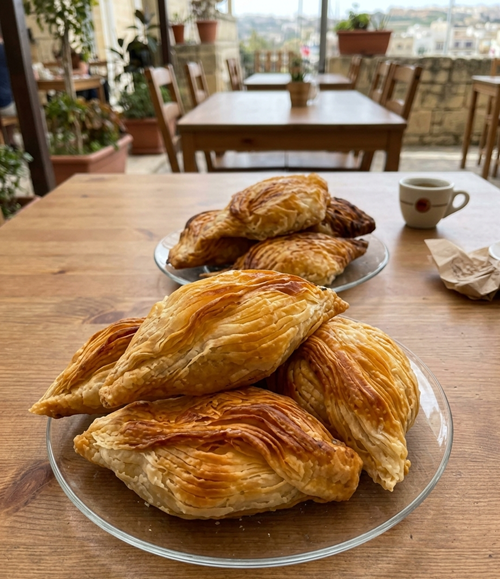
Unlike many traditional foods that become reserved for festivals or tourism, pastizzi are still part of everyday Maltese life. They are eaten standing up, shared casually, and rarely over‑thought. This is perhaps their greatest strength.
The pastizz is not just something Malta is known for—it is something Malta lives with, every day.