
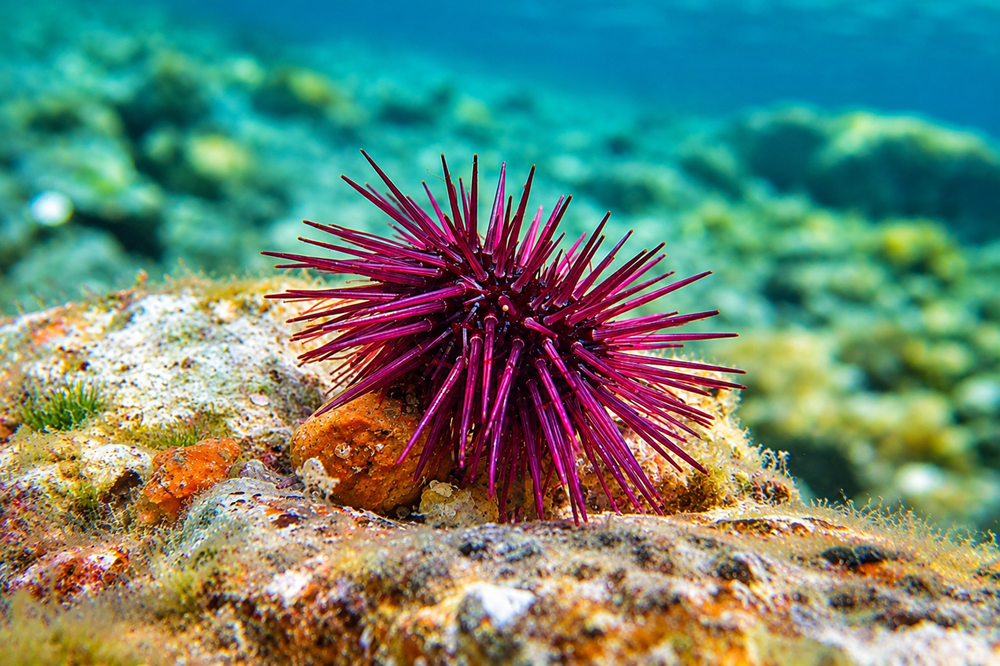
Malta’s Marine Conservation Efforts: 4,000 Sea Urchins Bred to Repopulate Local Waters
Malta is taking an important step towards protecting its marine biodiversity through an initiative aimed at restoring sea urchin populations in local waters.
Around 4,000 sea urchins have been bred at Fort San Luċjan in Marsaxlokk as part of a plan to repopulate the sea and support the long-term sustainability of Malta’s marine ecosystems.
The initiative highlights the importance of marine conservation and protecting the underwater environment that makes the Maltese Islands such a spectacular Mediterranean destination.
A Major Step Towards Restoring Malta’s Sea Urchin Population
The project, led by Aquatic Resources Malta, focuses on breeding the purple sea urchin (Paracentrotus lividus), commonly known in Malta as rizza tal-baħar.
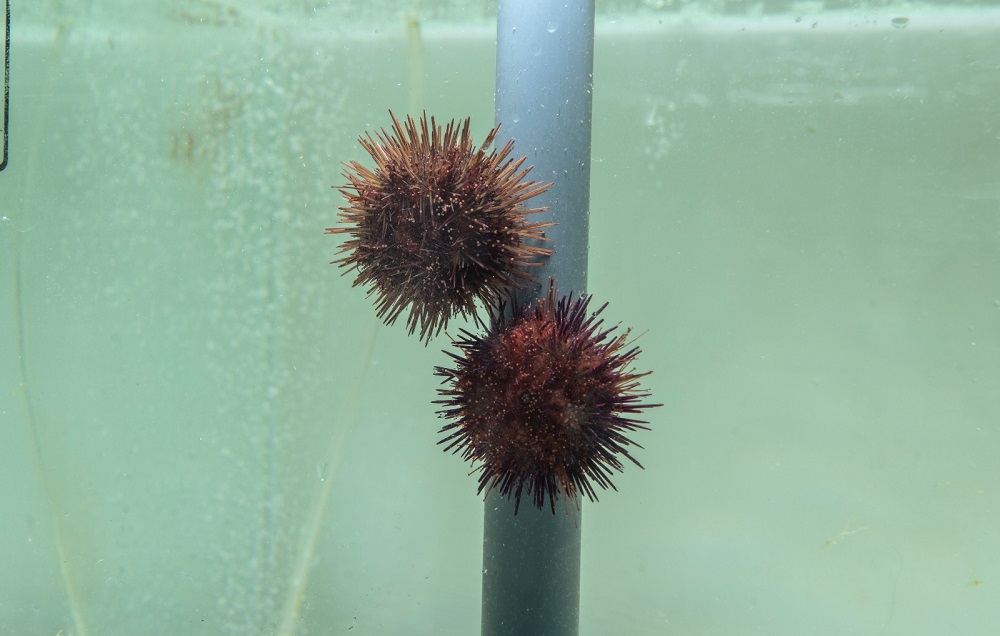
Scientists at Fort San Luċjan have successfully bred approximately 4,000 juvenile sea urchins under controlled laboratory conditions. These are currently being used to improve breeding methods and support scientific research.
The first release of approximately 50,000 sea urchins is planned for March 2027, marking an important milestone in Malta’s marine conservation efforts.
Why Are Sea Urchins Important to Malta’s Marine Ecosystem?
Although often overlooked by swimmers and snorkellers, sea urchins play an essential role in maintaining healthy marine ecosystems.
These fascinating marine creatures feed on algae, helping regulate its growth and maintain the natural balance of underwater habitats.
Healthy sea urchin populations contribute to:
- Controlling excessive algae growth.
- Protecting underwater habitats.
- Supporting marine biodiversity.
- Maintaining balanced marine food chains.
- Preserving the natural beauty of Malta’s underwater environment.
Without healthy populations of sea urchins, excessive algae growth can threaten other marine habitats, including seagrass meadows and rocky reefs.
Protecting Malta’s Sea Urchins from Extinction
Over the years, sea urchin populations in Maltese waters have declined significantly due to harvesting pressures and environmental changes.
In July 2023, Malta introduced a moratorium prohibiting the collection of sea urchins from local waters. This restriction remains in place as efforts continue to restore their population.
Sea urchins grow remarkably slowly, taking approximately one year to grow a single centimetre and between five and seven years to reach maturity. This makes conservation particularly important for their long-term survival.
How Visitors Can Help Protect Malta’s Marine Life
Everyone visiting the Maltese coastline can contribute to protecting its beautiful underwater environment.
When swimming, snorkelling or exploring the Mediterranean by boat, remember to:
- Observe marine creatures without touching or disturbing them.
- Never collect sea urchins from the seabed.
- Avoid anchoring on protected seagrass meadows.
- Never dispose of rubbish or plastic in the sea.
- Respect marine conservation areas.
Small individual actions can make a significant difference in preserving Malta’s marine ecosystem for future generations.