
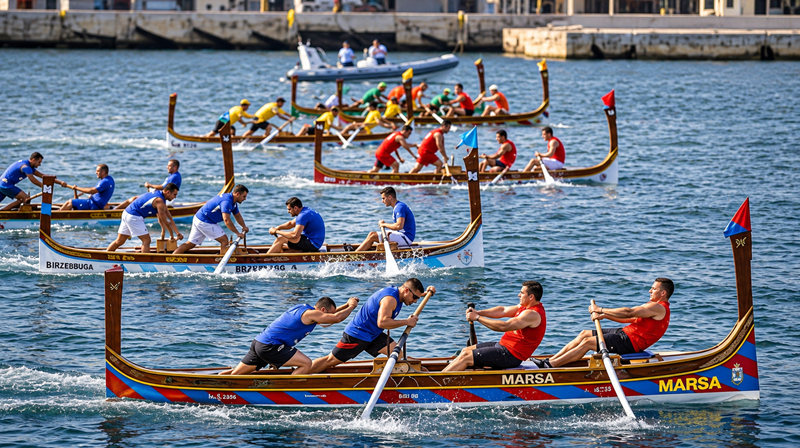
The Maltese Dgħajsa – Malta’s Traditional Gondola and Historic Regatta Races
Malta’s rich maritime heritage is reflected in one of its most iconic traditional boats, the Dgħajsa tal-Pass. Often referred to as the Maltese gondola, this beautifully crafted wooden vessel has been an integral part of life around Malta’s Grand Harbour for centuries.
With its distinctive curved bow and stern, vibrant colours and elegant design, the Maltese dgħajsa represents the island’s deep connection with the Mediterranean Sea. Today, these traditional boats continue to attract visitors while keeping Malta’s competitive rowing traditions alive through the spectacular national regatta races.
The History of the Maltese Gondola
Before modern ferries and road transport became widely available, the dgħajsa served as an essential means of transportation across the Grand Harbour, connecting Valletta with the Three Cities.
During British rule, these traditional boats were frequently used to transport naval personnel, dockyard workers and passengers between ships and the mainland.
Unlike the Venetian gondola, the Maltese dgħajsa developed its own distinctive shape, colourful decorations and rowing techniques, reflecting generations of local craftsmanship.
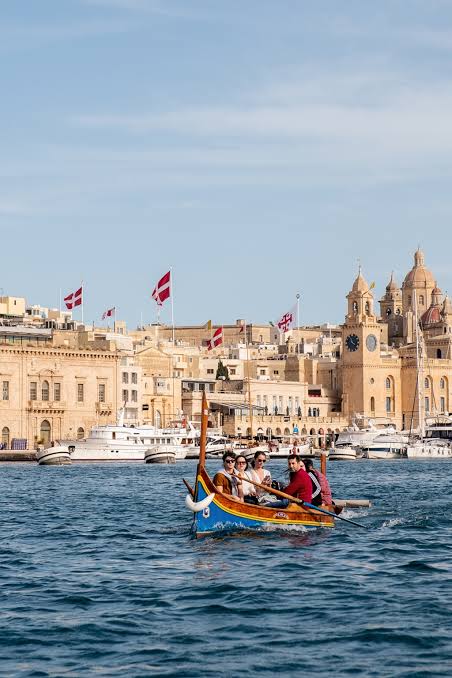
Today, traditional dgħajjes can still be seen transporting visitors across the harbour, offering an authentic way to experience Malta’s historic waterfront.
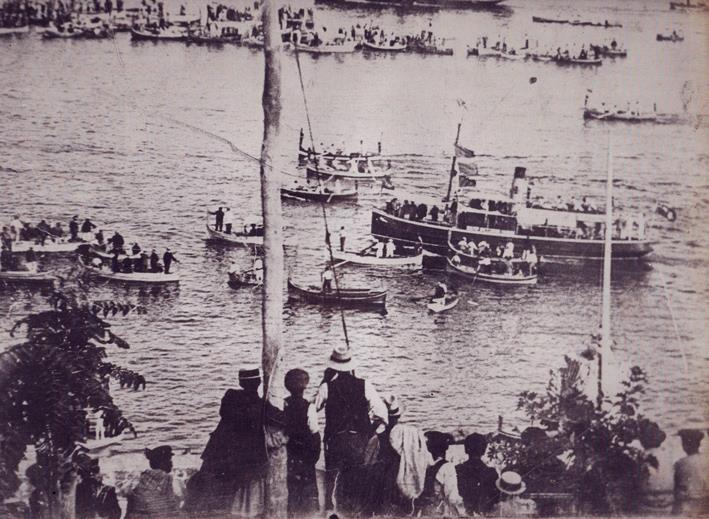
Malta’s Traditional Regatta Races
One of Malta’s most exciting maritime traditions is the National Regatta, held twice a year in the spectacular Grand Harbour:
- 31 March – Freedom Day: Commemorating the departure of the last British military forces in 1979.
- 8 September – Victory Day: Commemorating important historical victories, including the end of the Great Siege of 1565.
Historical records document regatta races taking place as early as 1822, making this a sporting tradition with more than two centuries of documented history.
Against the magnificent backdrop of Fort St Angelo and Malta’s historic fortifications, rowing teams compete over a course of approximately one kilometre, demonstrating strength, endurance, precision and teamwork.
The Four Traditional Maltese Racing Boats
The National Regatta features four different types of traditional wooden boats:
Boat | Characteristics |
|---|---|
Dgħajsa tal-Pass | Traditional harbour boat raced by two or four rowers |
Dgħajsa tal-Midalji | Lighter vessel designed for competitive rowing |
Kajjik | Smaller traditional boat raced by two rowers |
Frejgatina | Traditional racing boat with two seated rowers and a coxswain |
A particularly fascinating feature of Maltese rowing is the combination of standing and seated rowers, requiring exceptional coordination and balance.
A Celebration of Local Pride and Rivalry
The Regatta is much more than a sporting competition. It represents the identity, pride and passion of entire communities.
Rowing clubs representing localities such as Birgu, Bormla, Senglea, Kalkara, Marsa, Marsamxett and Birżebbuġa compete in their distinctive colours.
Supporters gather along the waterfront and surrounding bastions, passionately cheering for their favourite teams as they compete for individual race honours and the prestigious Aggregate Shield.
The atmosphere is filled with excitement, friendly rivalry and a strong sense of community spirit.
Experience Malta’s Maritime Heritage
For visitors looking to discover authentic Maltese culture, experiencing the National Regatta or taking a traditional dgħajsa ride across the Grand Harbour offers a memorable insight into the island’s maritime history.
The combination of colourful wooden boats, historic fortifications and sparkling Mediterranean waters creates a spectacular setting unlike any other.
At Bluewaves Watersports, we celebrate Malta’s enduring connection with the sea. From traditional rowing boats to modern speedboats, private charters and exciting watersports, maritime adventures remain an essential part of the Maltese experience.
Centuries of tradition. Endless adventures. One Mediterranean destination.