
Table of Contents
ToggleMalta’s Indigenous Plants: Nature’s Hidden Treasures
Malta may be best known for its crystal-clear seas, historic cities, and Mediterranean charm, but the islands are also home to a remarkable variety of native plant life. Despite their small size, the Maltese Islands support a diverse ecosystem, including several indigenous plants that have adapted to the local climate over thousands of years. These species play an essential role in maintaining biodiversity and preserving the natural beauty of Malta.
What Are Indigenous Plants?
Indigenous plants are species that occur naturally in a particular region and have evolved there without human introduction. In Malta, these plants have adapted to the islands’ hot, dry summers and mild, wet winters, often developing unique characteristics that help them thrive in challenging conditions.
Many indigenous species can be found growing in valleys, coastal cliffs, garigue landscapes, woodlands, and countryside areas throughout Malta, Gozo, and Comino.
The National Plant of Malta
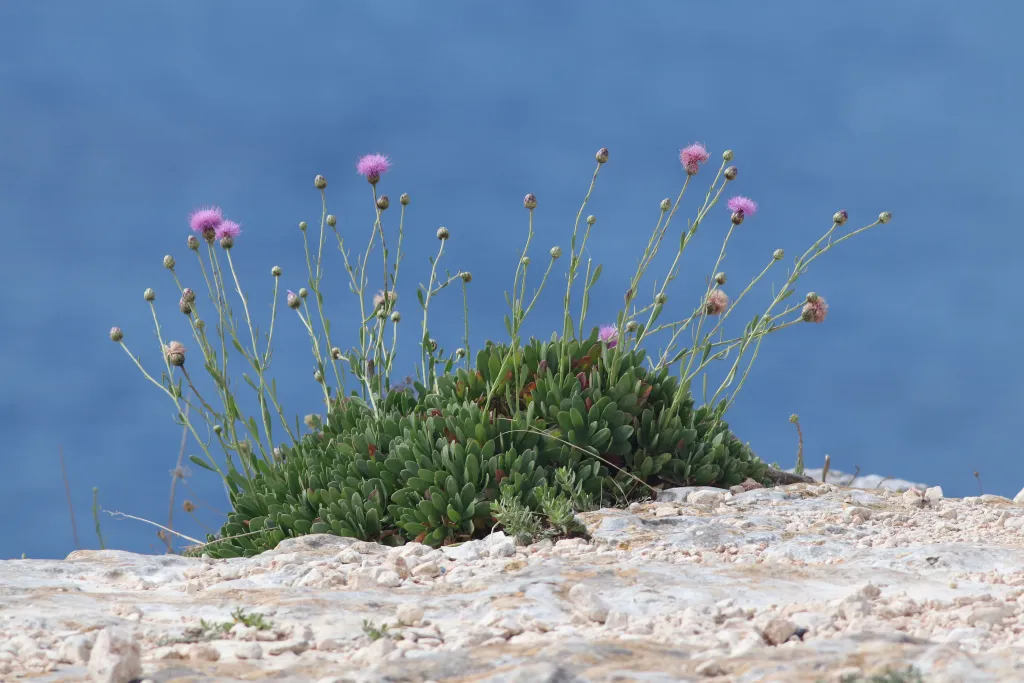
One of the most famous indigenous plants is the Maltese Centaury (Cheirolophus crassifolius), known locally as Widnet il-Baħar. This beautiful flowering plant is found naturally on Malta’s coastal cliffs and rocky habitats.
Recognised as Malta’s national plant, the Maltese Centaury is endemic to the islands, meaning it grows naturally nowhere else in the world. Its resilience and striking pink-purple flowers have made it a symbol of the country’s unique natural heritage.
The Maltese Everlasting
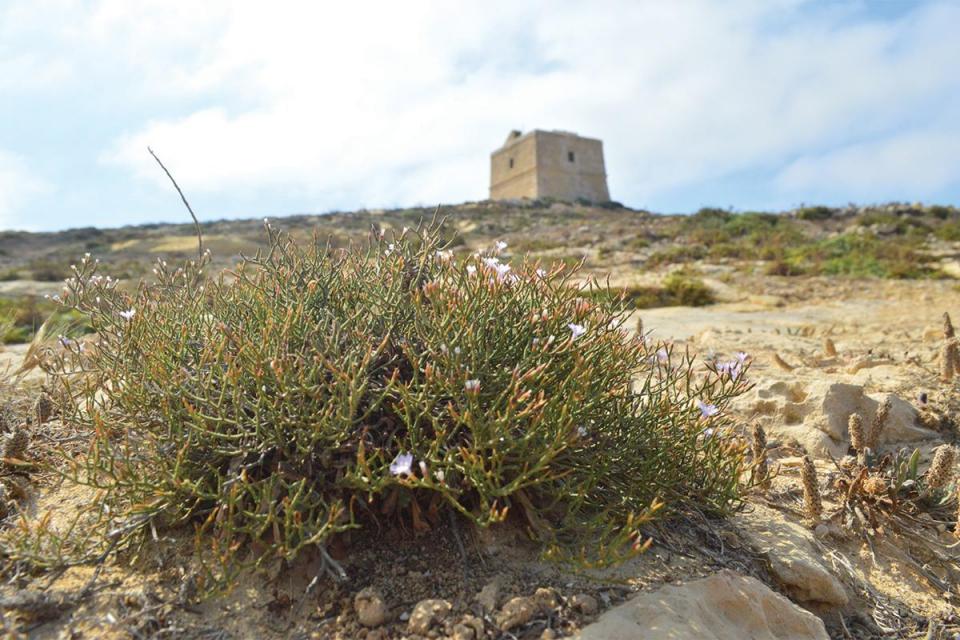
Another distinctive native species is the Maltese Everlasting (Helichrysum melitense). Found primarily on the cliffs of Gozo, this rare plant is known for its silvery appearance and aromatic scent.
The Maltese Everlasting is considered one of the islands’ most significant endemic species and highlights the importance of conserving Malta’s fragile natural habitats.
Wild Thyme and Mediterranean Aromas
Wild Thyme (Thymbra capitata) is one of the most recognisable indigenous plants found across Malta’s countryside. During spring and early summer, its vibrant purple flowers blanket stretches of garigue, attracting bees and other pollinators.
Besides contributing to Malta’s biodiversity, wild thyme has long been valued for its fragrance and traditional medicinal uses. It also plays an important role in supporting local ecosystems.
The Carob Tree
The Carob Tree (Ceratonia siliqua) has been a familiar feature of the Maltese landscape for centuries. Its broad canopy provides shade in the summer months, while its distinctive seed pods have historically been used in food production and animal feed.
Although common throughout the Mediterranean region, the carob tree has become deeply rooted in Malta’s rural heritage and remains an iconic part of the countryside.
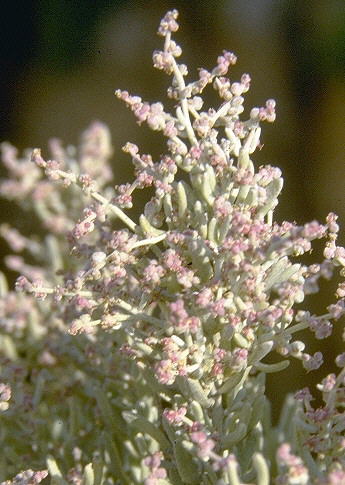
Coastal Plants and Cliff Habitats
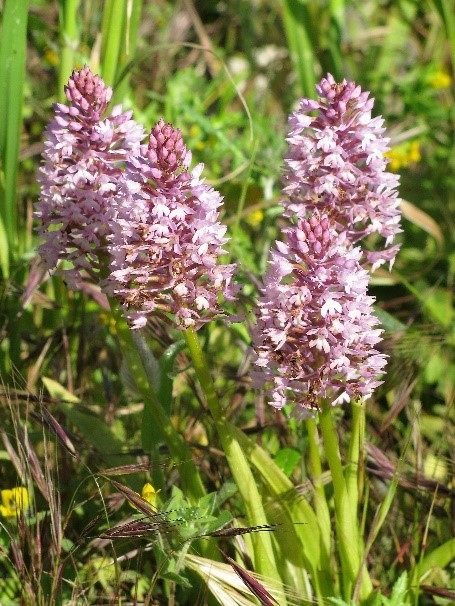
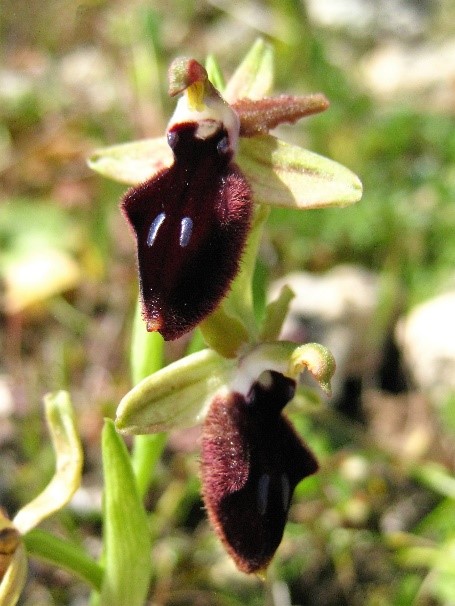
Malta’s dramatic coastline supports a variety of specialised plant species adapted to windy, salty conditions. These hardy plants often grow directly from rocky crevices where few other species can survive.
Sea Lavender, Rock Samphire, and other salt-tolerant plants help stabilise fragile coastal ecosystems while adding colour and character to the islands’ cliff landscapes. Many of these species bloom spectacularly during spring, creating vibrant displays along coastal walking routes.
Why Indigenous Plants Matter
Native plants are essential for maintaining healthy ecosystems. They provide food and shelter for insects, birds, and other wildlife while helping prevent soil erosion and supporting pollination.
As development, climate change, and habitat loss continue to affect natural environments worldwide, protecting Malta’s indigenous flora has become increasingly important. Conservation initiatives and protected areas across the islands help safeguard these unique species for future generations.
Preserving Malta’s Natural Heritage
Malta’s indigenous plants tell a story of survival, adaptation, and resilience. From the iconic Maltese Centaury to the fragrant wild thyme that colours the countryside each spring, these species form an important part of the islands’ identity.
Whether exploring a coastal trail, wandering through the countryside, or visiting one of Malta’s nature reserves, taking a moment to appreciate these native plants offers a deeper connection to the islands’ natural heritage and the remarkable biodiversity that thrives within them.